
The Role of Permaculture in Regenerative Agriculture Practices

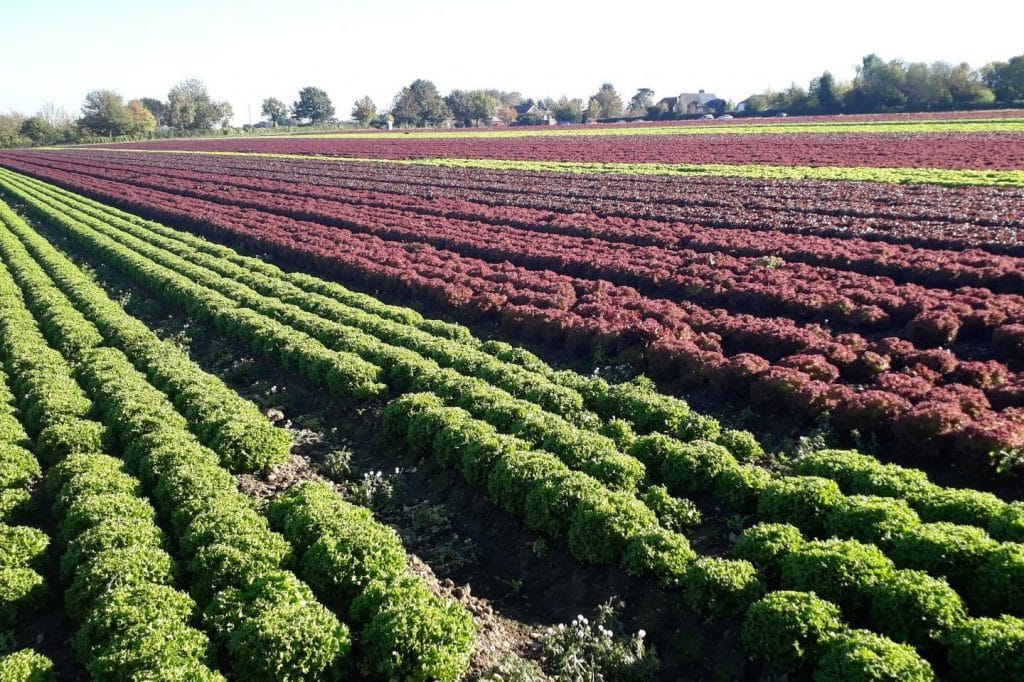
Permaculture is a holistic approach to sustainable living that aims to create a harmonious relationship between humans and the environment. It is a design system that takes inspiration from natural ecosystems to create resilient and regenerative agricultural practices. By utilizing principles such as observation, diversity, and integration, permaculture offers a solution to the challenges faced by conventional agricultural methods, such as soil degradation, water scarcity, and loss of biodiversity.
In this blog post, we will explore the role of permaculture in regenerative agriculture practices. We will delve into the principles and techniques used in permaculture design, such as companion planting, agroforestry, and water management. We will also discuss the benefits of implementing permaculture in agriculture, including improved soil health, increased biodiversity, and enhanced resilience to climate change. Furthermore, we will highlight real-life examples of successful permaculture projects and their positive impact on local communities and ecosystems. Join us on this journey to discover how permaculture can play a crucial role in creating a more sustainable and regenerative agricultural system.
- Permaculture promotes sustainable farming methods
- It minimizes the use of chemicals
- It focuses on biodiversity and ecosystem health
- It enhances soil fertility naturally
- It reduces water consumption
- It supports local food production
- It promotes community resilience and self-sufficiency
- Frequently Asked Questions
Permaculture promotes sustainable farming methods
Permaculture is a holistic approach to agriculture that aims to create sustainable and regenerative systems. It focuses on designing and managing landscapes, ecosystems, and human settlements that mimic natural patterns and processes.
One of the key principles of permaculture is the use of organic and regenerative farming practices. These practices prioritize the health of the soil, biodiversity, and the long-term sustainability of agricultural systems.
Key Principles of Permaculture in Regenerative Agriculture:
- 1. Ecological Design: Permaculture design takes into account the natural characteristics and processes of the land, as well as the needs and desires of the people working with it. This approach aims to create a harmonious and productive relationship between humans and nature.
- 2. Soil Health: Permaculture emphasizes the importance of building and maintaining healthy soil. This involves practices such as composting, mulching, cover cropping, and avoiding the use of synthetic chemicals. Healthy soil is the foundation for a resilient and productive ecosystem.
- 3. Water Management: Permaculture utilizes various techniques for efficient water management, such as rainwater harvesting, swales, and contouring. By managing water effectively, permaculture systems can reduce erosion, improve soil moisture, and minimize water waste.
- 4. Biodiversity: Permaculture encourages the cultivation of diverse plant and animal species. Biodiversity is important for ecosystem resilience, as it helps to control pests, improve soil fertility, and increase overall productivity.
- 5. Energy Efficiency: Permaculture aims to minimize energy inputs and maximize energy outputs. This can be achieved through techniques such as companion planting, polycultures, and the use of renewable energy sources.
By incorporating these principles, permaculture plays a crucial role in regenerative agriculture practices. It offers a sustainable and holistic approach to farming that promotes the health of ecosystems, biodiversity, and communities.
It minimizes the use of chemicals
Permaculture plays a crucial role in regenerative agriculture practices by minimizing the use of chemicals. By implementing permaculture principles, farmers can reduce or eliminate the need for synthetic fertilizers, pesticides, and herbicides. Instead, they focus on building healthy soil and creating a balanced ecosystem that naturally controls pests and diseases.
One of the main strategies used in permaculture is companion planting. This involves growing different plants together that have beneficial relationships with each other. For example, planting marigolds alongside vegetables can deter pests, while planting legumes can fix nitrogen in the soil, reducing the need for synthetic fertilizers.
In addition to companion planting, permaculture also emphasizes the importance of diversity. By growing a wide variety of crops, farmers can create a resilient and self-sustaining system. This diversity helps to break pest and disease cycles, as well as improve soil health through the different nutritional needs of various plants.
Another key aspect of permaculture is the use of organic and natural pest control methods. This includes techniques such as crop rotation, trap cropping, and biological controls. By relying on these methods, farmers can avoid the negative impacts of chemical pesticides on the environment and human health.
Overall, permaculture provides a holistic approach to agriculture that focuses on working with nature rather than against it. By minimizing the use of chemicals, farmers can create sustainable and regenerative farming systems that benefit both the environment and the people who rely on it for food.
It focuses on biodiversity and ecosystem health
Permaculture plays a crucial role in promoting biodiversity and maintaining ecosystem health in regenerative agriculture practices. By implementing permaculture principles and techniques, farmers and land stewards can create self-sustaining and resilient ecosystems that mimic natural patterns and processes.
One of the main goals of permaculture in regenerative agriculture is to enhance biodiversity. Biodiversity refers to the variety of species and ecosystems that exist within a given area. By incorporating diverse plant and animal species, permaculture systems support a wide range of ecological interactions and functions.
Permaculture emphasizes the importance of using native and heirloom plant varieties, which are well adapted to the local environment. By planting diverse crops, including both annuals and perennials, permaculture systems provide a habitat for beneficial insects, birds, and other wildlife. This, in turn, helps to control pests and diseases naturally, reducing the need for harmful chemical inputs.
In addition to promoting biodiversity, permaculture also focuses on improving soil health and fertility. Through practices such as composting, mulching, and cover cropping, permaculturists aim to build and maintain healthy soil ecosystems. Healthy soils are teeming with beneficial microorganisms, fungi, and earthworms, which play a crucial role in nutrient cycling and plant health.
 Permaculture Case Study: Sustainable Food Forests
Permaculture also encourages the use of organic and regenerative farming practices, such as crop rotation, agroforestry, and water management techniques. These practices help to minimize soil erosion, conserve water resources, and reduce the use of synthetic fertilizers and pesticides.
Overall, permaculture provides a holistic approach to regenerative agriculture by focusing on the interconnections between plants, animals, and the surrounding environment. By implementing permaculture principles, farmers can create productive and sustainable agricultural systems that support biodiversity and ecosystem health.
It enhances soil fertility naturally
Permaculture plays a crucial role in regenerative agriculture practices by enhancing soil fertility naturally. By implementing permaculture principles, farmers can create sustainable and self-sufficient ecosystems that promote the health and productivity of the soil.
One of the key ways permaculture achieves this is through the use of organic matter. By incorporating organic materials such as compost, cover crops, and animal manure into the soil, permaculture helps to improve its structure, increase its water-holding capacity, and provide essential nutrients to plants.
Additionally, permaculture encourages the use of mulching techniques. By spreading a layer of organic mulch, such as wood chips or straw, on the soil surface, permaculture helps to regulate soil temperature, reduce water evaporation, and suppress weed growth. This not only helps to conserve water but also creates a favorable environment for soil microorganisms that contribute to soil fertility.
Furthermore, permaculture promotes the practice of crop rotation and intercropping. By diversifying plant species and their arrangement, permaculture helps to break pest and disease cycles, improve nutrient availability, and enhance overall soil health. This approach reduces the reliance on synthetic fertilizers and pesticides, making regenerative agriculture more sustainable and environmentally friendly.
In conclusion, permaculture plays a vital role in enhancing soil fertility naturally within regenerative agriculture practices. By focusing on organic matter, mulching, and diversified planting techniques, permaculture creates a harmonious and resilient ecosystem that supports healthy soil and sustainable farming practices.
It reduces water consumption
Permaculture plays a crucial role in reducing water consumption in regenerative agriculture practices. By implementing permaculture principles, farmers can design their landscapes and systems in a way that maximizes water efficiency and minimizes waste.
One key strategy in permaculture is the use of water harvesting techniques such as rainwater collection and storage. This involves capturing rainwater from roofs, roads, and other surfaces, and storing it for later use in irrigation and other agricultural needs. By doing so, farmers can reduce their reliance on external water sources such as rivers or groundwater, which can be depleted and cause environmental damage.
Another way permaculture reduces water consumption is through the design of efficient irrigation systems. By using techniques like drip irrigation or mulching, which minimize evaporation and direct water to the plant roots where it is needed most, farmers can optimize water usage and minimize wastage.
Furthermore, permaculture promotes the use of drought-tolerant and native plant species that are adapted to local climatic conditions. These plants have evolved to survive with minimal water requirements, reducing the need for excessive irrigation. By selecting the right plant species and arranging them in a way that maximizes water retention and minimizes runoff, permaculture helps to conserve water resources.
In summary, permaculture plays a vital role in reducing water consumption in regenerative agriculture practices through water harvesting, efficient irrigation systems, and the use of drought-tolerant plant species. By implementing these strategies, farmers can not only conserve water resources but also create more sustainable and resilient agricultural systems.
It supports local food production
Permaculture plays a crucial role in supporting local food production. By implementing regenerative agricultural practices, permaculture aims to create sustainable and self-sufficient food systems at a local level.
One of the key principles of permaculture is to design and establish food forests or edible landscapes. These are carefully planned ecosystems that mimic the structure and function of natural forests, but with a focus on growing a diverse range of edible plants. By incorporating various layers including canopy trees, shrubs, herbaceous plants, and groundcovers, food forests maximize the use of available space and resources.
 5 key principles of permaculture design
Additionally, permaculture emphasizes the importance of growing food in harmony with nature. It promotes organic and sustainable farming methods, such as companion planting, crop rotation, and biological pest control. These practices help to minimize the use of synthetic fertilizers and pesticides, reducing the environmental impact of food production.
Furthermore, permaculture encourages the use of locally adapted and native plant species. By selecting plants that are well-suited to the local climate and soil conditions, farmers can optimize crop productivity and resilience. This approach also promotes biodiversity and supports the conservation of native plant species.
In summary, permaculture provides a holistic approach to local food production by integrating regenerative agricultural practices. Through the establishment of food forests, the implementation of sustainable farming methods, and the use of locally adapted plant species, permaculture supports the development of resilient and self-sufficient food systems.
It promotes community resilience and self-sufficiency
Permaculture plays a crucial role in promoting community resilience and self-sufficiency. By implementing permaculture practices in agriculture, communities can become more resilient to external factors such as climate change, economic instability, and resource scarcity.
One of the key principles of permaculture is to design systems that are self-sustaining and mimic the natural patterns and processes found in ecosystems. By doing so, communities can reduce their dependence on external inputs and resources, making them more self-sufficient.
Permaculture also emphasizes the importance of community cooperation and collaboration. Through shared knowledge, resources, and labor, communities can work together to create resilient food systems and improve their overall well-being.
Furthermore, permaculture encourages the use of diverse and polycultural farming systems. Instead of relying on monocultures, which are vulnerable to pests, diseases, and climate fluctuations, permaculture promotes the cultivation of a wide variety of crops. This not only increases biodiversity but also ensures a more stable and secure food supply for the community.
Another aspect of permaculture is the emphasis on regenerating and improving soil health. By using organic and regenerative farming practices such as composting, mulching, and cover cropping, communities can enhance the fertility and structure of their soils. This leads to increased nutrient availability, water retention, and overall ecosystem health.
Permaculture also encourages the integration of livestock into agricultural systems. By incorporating animals such as chickens, goats, or pigs, communities can benefit from their natural behaviors and waste products. For example, chickens can help control pests and provide eggs, while their manure can be used as fertilizer.
In conclusion, permaculture plays a vital role in promoting community resilience and self-sufficiency in agriculture. By implementing permaculture principles and practices, communities can create sustainable and regenerative food systems, reduce their reliance on external resources, and foster a sense of cooperation and collaboration within the community.
Frequently Asked Questions
1. What is permaculture?
Permaculture is a design system that aims to create sustainable and self-sufficient ecosystems.
2. How does permaculture contribute to regenerative agriculture?
Permaculture promotes the use of organic and regenerative practices to enhance soil health and biodiversity.
3. What are some key principles of permaculture in agriculture?
Some key principles of permaculture in agriculture include observation, diversity, and integration of different elements.
4. What are the benefits of using permaculture in regenerative agriculture?
The benefits of using permaculture in regenerative agriculture include improved soil fertility, reduced water usage, and increased biodiversity.
 Permaculture and Sustainable Livestock Management: A Holistic Approach
Deja una respuesta
Entradas relacionadas: