
How to create a compost system for your permaculture garden

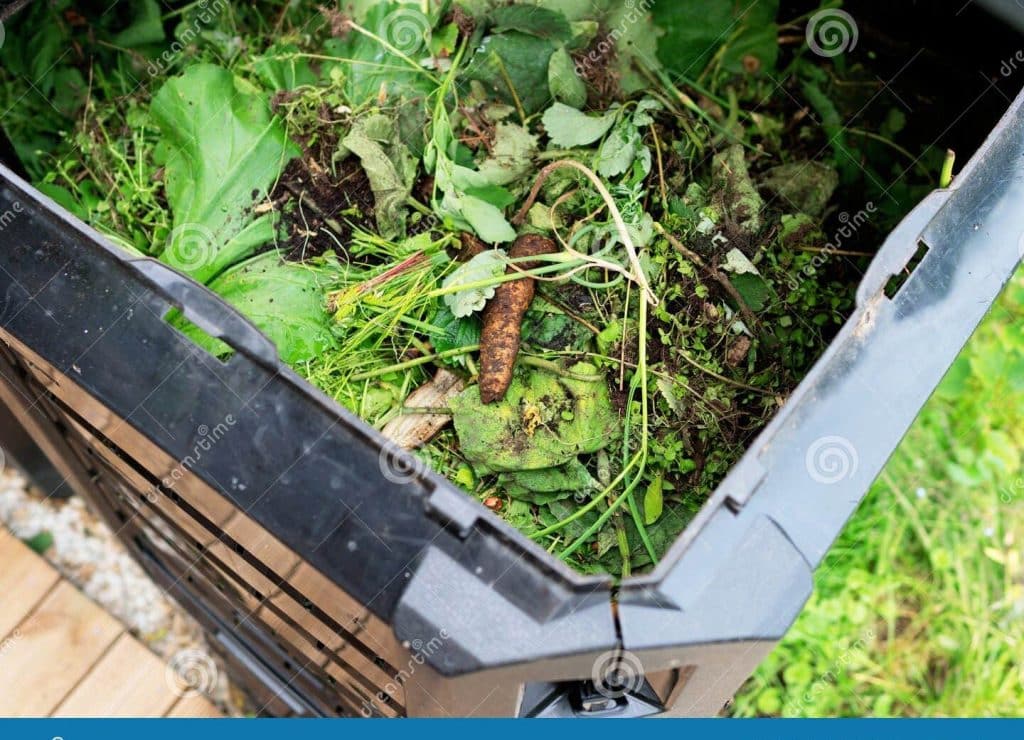
Composting is an essential practice in permaculture gardening as it helps to recycle organic waste and create nutrient-rich soil for your plants. By creating a compost system in your garden, you can reduce waste, improve soil fertility, and contribute to a more sustainable and self-sufficient ecosystem. In this blog post, we will guide you through the process of setting up a compost system for your permaculture garden.
In this post, we will cover:
- The benefits of composting in a permaculture garden
- The different types of composting systems
- Choosing the right location for your compost system
- What materials to include in your compost pile
- The process of building and maintaining your compost system
Whether you are new to permaculture gardening or looking to improve your existing composting practices, this guide will provide you with the knowledge and tools to create a successful compost system that will benefit both your garden and the environment.
Choose a suitable compost bin
When creating a compost system for your permaculture garden, the first step is to choose a suitable compost bin. The type of bin you select will depend on various factors such as the size of your garden, the amount of organic waste you generate, and your personal preferences. Here are a few options to consider:
1. Traditional Compost Bin
A traditional compost bin is a simple and cost-effective option. It can be made from materials like wood, wire mesh, or plastic. This type of bin allows for easy aeration and decomposition of organic waste. Make sure to choose a size that suits your needs and provides enough space for turning the compost.
2. Tumbling Composter
If you have limited space or prefer a more convenient option, a tumbling composter might be the right choice for you. These bins are designed to be rotated, which helps speed up the decomposition process. They also provide good aeration and require less effort to turn the compost compared to traditional bins.
3. Worm Composting Bin
Worm composting, also known as vermicomposting, is an excellent option for those who want to compost kitchen scraps and organic waste indoors or in small spaces. A worm composting bin is specifically designed to create an ideal environment for worms to break down organic materials. It typically consists of stacked trays or a specialized container with proper ventilation and drainage.
Regardless of the type of compost bin you choose, make sure it has a lid or cover to keep pests out and prevent excessive moisture loss. Also, consider the aesthetics and placement of the bin in your garden, as it should be easily accessible and blend well with the surroundings.
Remember that proper composting requires a balance of green (nitrogen-rich) and brown (carbon-rich) materials, regular turning or mixing of the compost, and occasional watering to maintain the right moisture level. With a suitable compost bin in place, you'll be well on your way to creating nutrient-rich compost for your permaculture garden.
Start with a balanced mix of green and brown waste
Creating a compost system for your permaculture garden is an excellent way to reduce waste, improve soil quality, and promote sustainability. One of the first steps in this process is to start with a balanced mix of green and brown waste.
Green waste refers to materials that are high in nitrogen and moisture content. These include kitchen scraps like fruit and vegetable peelings, coffee grounds, and tea bags. Additionally, grass clippings, fresh leaves, and plant trimmings can also be considered as green waste.
Brown waste consists of materials that are high in carbon and provide structure to the compost pile. This can include dry leaves, straw, wood chips, shredded newspaper, and cardboard. It's important to note that these materials should be free from any chemicals or additives.
A proper balance between green and brown waste is crucial for successful composting. The ideal ratio is roughly 50:50, although some variations can still work. Too much green waste can result in a slimy and stinky pile, while too much brown waste can slow down decomposition.
Once you have gathered your green and brown waste materials, it's time to start building your compost system. Remember to chop or shred larger pieces of waste to speed up the decomposition process.
Building the compost pile
There are several methods to build a compost pile, such as a compost bin, wire mesh enclosure, or a simple pile on the ground. Whatever method you choose, make sure it allows for proper airflow and drainage.
Start by layering your green and brown waste materials alternately. Aim for about 4-6 inches of each material per layer. It's important to keep the pile damp but not soaking wet. If necessary, water the pile lightly to maintain moisture levels.
 What is soil health and why is it important for a sustainable world?
To speed up the composting process, you can also add a compost activator or accelerator, which helps to introduce beneficial microorganisms. These can be purchased from a garden center or made at home using ingredients like finished compost, manure, or worm castings.
Once your compost pile is built, it's essential to turn it regularly to aerate and mix the materials. This helps to speed up decomposition and prevent the pile from becoming compacted. Aim to turn the pile every 1-2 weeks, or whenever the temperature rises above 150°F (65°C).
Over time, the materials in the compost pile will break down and transform into nutrient-rich compost. This process can take anywhere from a few months to a year, depending on factors such as temperature, moisture, and the size of the materials.
Once the compost is dark, crumbly, and earthy-smelling, it is ready to use in your permaculture garden. You can incorporate it into the soil, use it as a mulch, or create compost tea to nourish your plants.
By following these steps and maintaining a balanced mix of green and brown waste, you can create a compost system that will benefit both your permaculture garden and the environment.
Turn the compost regularly
Turning the compost regularly is an essential step in maintaining a healthy and productive compost system for your permaculture garden. By turning the compost, you are helping to aerate it and mix the organic materials, which promotes decomposition and prevents odors.
To turn the compost, follow these steps:
- Use a pitchfork or a compost turner to gently lift and mix the compost.
- Start from the outside and work your way towards the center to ensure that all parts of the compost are evenly mixed.
- Repeat this process every 1-2 weeks, depending on the temperature and moisture levels in your compost pile.
By regularly turning the compost, you are providing oxygen to the microorganisms that break down the organic matter. This helps to speed up the decomposition process and produce nutrient-rich compost for your permaculture garden.
Keep the compost moist, but not wet
One of the key factors in creating a successful compost system for your permaculture garden is maintaining the right level of moisture. The compost should be kept moist, but not overly wet.
When the compost is too dry, the decomposition process slows down and the materials do not break down effectively. On the other hand, if the compost is too wet, it can become compacted and anaerobic, leading to unpleasant odors and the growth of harmful bacteria.
To keep the compost moist, you can water it regularly with a garden hose or sprinkle it with a watering can. It's important to avoid saturating the compost with water, as this can lead to excessive moisture. Instead, aim for a damp consistency, similar to a wrung-out sponge.
Monitoring the moisture level is essential. You can use your hands to feel the compost and check if it feels moist but not soggy. Another method is to squeeze a handful of compost tightly and see if a few drops of water can be extracted.
Remember that the moisture requirements may vary depending on the weather conditions and the types of materials you are composting. If you live in a dry climate, you may need to water the compost more frequently. Conversely, if you are composting a lot of green materials, such as kitchen scraps, which contain moisture, you may need to adjust accordingly.
By maintaining the right level of moisture in your compost system, you will create an ideal environment for the decomposition process, allowing beneficial microorganisms to thrive and transform organic waste into nutrient-rich compost for your permaculture garden.
Add worms to speed up decomposition
If you want to speed up the decomposition process in your compost system, adding worms can be a great solution. Worms, especially red wigglers, are known as nature's decomposers and they can help break down organic matter more quickly.
To add worms to your compost system, follow these steps:
 The basic principles of permaculture and how they contribute to soil health
- Choose the right type of worms: Red wigglers are the most commonly used worms for composting. They thrive in the organic matter and are highly efficient in breaking it down. You can easily find them at a local garden center or order them online.
- Create a suitable habitat: Worms need a moist and dark environment to thrive. You can create a suitable habitat for them by adding a layer of damp shredded newspaper or cardboard at the bottom of your compost bin. This will provide them with bedding material.
- Add food scraps: Worms feed on organic matter, so make sure to add a variety of food scraps to their habitat. Avoid adding meat, dairy, and oily foods as they can attract pests. Instead, focus on adding fruit and vegetable scraps, coffee grounds, tea bags, and crushed eggshells.
- Introduce the worms: Once you have prepared the habitat and added food scraps, it's time to introduce the worms. Start by placing them on top of the bedding material and gently cover them with more damp shredded newspaper or cardboard. This will create a protective layer for the worms.
- Maintain the moisture level: Worms need a moist environment to survive. Check the moisture level regularly and add water if needed. The bedding material should be damp, but not soaked.
- Monitor and maintain the compost system: Keep an eye on your compost system to ensure it's functioning properly. The worms will do their job by breaking down the organic matter, but you may need to turn the compost occasionally to provide them with fresh material to work on.
By adding worms to your compost system, you can significantly speed up the decomposition process and create nutrient-rich compost for your permaculture garden. Give it a try and see the difference it makes!
Avoid adding meat or dairy products
When creating a compost system for your permaculture garden, it's important to avoid adding meat or dairy products. These items can attract pests and create unpleasant odors in your compost pile. Instead, focus on adding organic matter such as vegetable scraps, fruit peels, coffee grounds, and yard waste.
By excluding meat and dairy products from your compost, you'll also prevent the growth of harmful bacteria that can contaminate your compost and potentially harm your plants. Stick to plant-based materials to ensure a healthy and nutrient-rich compost for your permaculture garden.
Use the compost in your garden
Once you have successfully created a compost system for your permaculture garden, it's time to start using that nutrient-rich compost in your garden. Here are some tips on how to effectively use the compost:
1. Top dressing
One of the simplest ways to use your compost is by top dressing your garden beds. Simply spread a thin layer of compost over the soil surface. This will help improve the soil structure, retain moisture, and provide essential nutrients to your plants.
2. Mulching
Using compost as a mulch is another great way to benefit your garden. Apply a layer of compost around the base of your plants, leaving a gap around the stem to prevent rot. This will help suppress weeds, retain moisture, regulate soil temperature, and enrich the soil as it slowly breaks down.
3. Seed starting mix
Combine compost with sand, vermiculite, and peat moss to create a nutrient-rich seed starting mix. This will provide the necessary nutrients and aeration for your seeds to germinate and grow into healthy seedlings.
4. Compost tea
Make compost tea by steeping compost in water for a few days. This nutrient-rich liquid can be used as a foliar spray or soil drench to boost plant growth and ward off pests and diseases.
5. Amending soil
If you have sandy soil that drains too quickly or clay soil that holds too much water, compost can help improve the soil structure. Mix compost into the existing soil to increase its organic matter content, enhance drainage, and promote better root growth.
6. Compost as fertilizer
Compost can be used as a natural fertilizer for your plants. Sprinkle a handful of compost around each plant or gently work it into the soil before planting. This will provide a slow-release source of nutrients for your plants to thrive.
7. Building raised beds
If you're planning to build raised beds in your garden, fill them with a mixture of compost and soil. This will create a fertile growing environment for your plants right from the start.
Remember, compost is a valuable resource that helps improve soil health, increase fertility, and reduce waste. By using the compost in your permaculture garden, you're not only nourishing your plants but also contributing to a more sustainable and eco-friendly gardening practice.
Frequently Asked Questions
1. What is composting?
Composting is a natural process where organic materials decompose and turn into nutrient-rich soil.
2. Why should I compost?
Composting helps reduce waste, enriches soil, and improves plant growth.
3. How do I start a compost system?
To start a compost system, gather organic materials, create a compost pile or bin, and maintain the right balance of moisture and air.
4. What can I compost?
You can compost fruit and vegetable scraps, coffee grounds, eggshells, yard waste, and other organic matter.
 Exploring natural methods to control pests and diseases in the garden
Deja una respuesta
Entradas relacionadas: