
Integrating renewable energy systems in a permaculture design

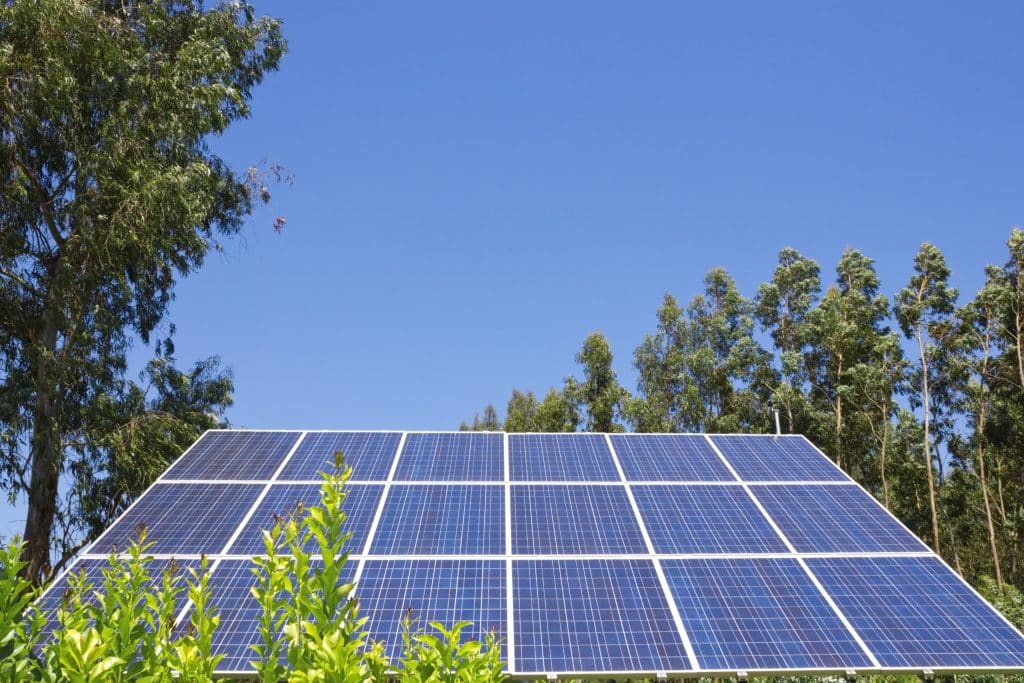
Renewable energy systems have become increasingly popular as a sustainable solution to meet our energy needs while reducing our carbon footprint. Permaculture, on the other hand, is a holistic approach to designing sustainable and self-sufficient systems that mimic natural ecosystems. By integrating renewable energy systems into permaculture designs, we can create a harmonious and resilient system that not only provides for our energy needs but also supports the overall sustainability of our environment.
In this blog post, we will explore the various ways in which renewable energy systems can be integrated into a permaculture design. We will discuss the different types of renewable energy sources such as solar, wind, and hydro, and how they can be harnessed and utilized in a permaculture setting. Additionally, we will delve into the benefits of integrating renewable energy systems in a permaculture design, including increased self-sufficiency, reduced reliance on fossil fuels, and a more resilient and sustainable system. Whether you are a permaculture enthusiast looking to incorporate renewable energy into your design or a renewable energy advocate interested in sustainable living, this blog post will provide valuable insights and inspiration for creating a greener future.
- Assess energy needs and consumption
- Explore available renewable energy options
- Design a permaculture system to integrate renewable energy
- Install the chosen renewable energy systems
- Monitor and optimize energy production
- Implement energy-efficient practices
- Educate and engage the community
- Frequently Asked Questions
Assess energy needs and consumption
Before integrating renewable energy systems into a permaculture design, it is essential to assess the energy needs and consumption of the site. This will help determine the appropriate scale and types of renewable energy systems to be incorporated.
Start by conducting an energy audit to determine the current energy usage on the site. This can be done by analyzing utility bills, monitoring energy usage over a period of time, and identifying areas where energy consumption can be reduced.
Once the energy needs and consumption have been assessed, it is important to prioritize the energy demands. This will help determine which renewable energy systems should be given more focus and attention.
Additionally, consider the specific energy requirements of the different elements in the permaculture design. For example, if there are greenhouse structures that require heating or cooling, it may be necessary to incorporate renewable energy systems that can meet these specific needs.
Key considerations:
- Identify the current energy usage on the site
- Analyze utility bills and monitor energy usage
- Prioritize energy demands
- Consider the energy requirements of different elements in the permaculture design
By thoroughly assessing the energy needs and consumption, it becomes easier to design and integrate renewable energy systems that are tailored to the specific requirements of the site and the permaculture design.
Explore available renewable energy options
When it comes to integrating renewable energy systems in a permaculture design, there are several options available that can help you harness the power of nature while minimizing your environmental impact. Here are some of the most common renewable energy options to consider:
Solar Power
Solar power is perhaps the most well-known and widely used form of renewable energy. By installing solar panels on your property, you can capture the sun's energy and convert it into electricity. This can be used to power your home, heat water, or even charge electric vehicles.
Wind Power
Wind power is another popular option for generating renewable energy. By installing wind turbines, you can harness the power of the wind to generate electricity. This is especially beneficial in areas with consistent wind patterns.
Hydroelectric Power
If you have a water source on your property, such as a river or stream, you can consider harnessing the power of flowing water to generate electricity. Hydroelectric power systems use turbines to convert the kinetic energy of the moving water into electrical energy.
Biomass Energy
Biomass energy involves using organic materials, such as wood or agricultural waste, to generate heat or electricity. This can be done through processes like combustion or gasification.
Geothermal Energy
Geothermal energy taps into the heat stored beneath the Earth's surface. By using geothermal heat pumps, you can extract this heat and use it to heat your home or generate electricity.
Combine Multiple Systems
Keep in mind that you don't have to limit yourself to just one type of renewable energy system. In fact, combining multiple systems can help you maximize your energy production and create a more resilient and self-sufficient permaculture design. For example, you can combine solar panels with wind turbines or use a combination of solar and geothermal energy.
Consider Your Energy Needs
Before choosing a renewable energy system, it's important to assess your energy needs. Consider factors such as your electricity consumption, heating requirements, and any other energy-intensive activities on your property. This will help you determine the size and capacity of the renewable energy system you need.
Integrating renewable energy systems in a permaculture design can significantly reduce your reliance on fossil fuels and contribute to a more sustainable and resilient future. By exploring the available options and considering your energy needs, you can make informed decisions that align with your permaculture principles.
Design a permaculture system to integrate renewable energy
Integrating renewable energy systems in a permaculture design is a fantastic way to create a sustainable and self-sufficient ecosystem. By harnessing the power of renewable energy sources such as solar, wind, and biomass, we can reduce our reliance on non-renewable resources and minimize our carbon footprint.
The benefits of integrating renewable energy in permaculture
There are numerous benefits to incorporating renewable energy systems into your permaculture design:
 Case studies: Successful food forests around the world
- Energy independence: By generating your own electricity, you become less reliant on the grid and are better prepared for power outages or disruptions.
- Cost savings: While the initial investment in renewable energy systems can be significant, they can lead to long-term cost savings by reducing or eliminating your monthly energy bills.
- Environmental impact: Renewable energy sources produce little to no greenhouse gas emissions, helping to combat climate change and protect the environment.
- Increased resilience: Renewable energy systems can provide a reliable source of power, even in remote or off-grid locations, enhancing the resilience of your permaculture design.
Types of renewable energy systems
There are several types of renewable energy systems that can be integrated into a permaculture design:
- Solar energy: Solar panels can be installed to capture sunlight and convert it into electricity. This energy can be used to power various devices, heat water, or even charge electric vehicles.
- Wind energy: Wind turbines can be utilized to capture the kinetic energy of the wind and convert it into electricity. They are most effective in areas with consistent wind patterns.
- Biomass energy: Biomass energy involves converting organic materials such as wood, crop residues, or animal waste into heat or electricity. This can be done through processes like combustion, gasification, or anaerobic digestion.
Considerations for integrating renewable energy in permaculture
When integrating renewable energy systems into your permaculture design, there are a few important considerations to keep in mind:
- Site assessment: Evaluate the available resources such as sunlight, wind speeds, and biomass availability to determine the suitability and potential output of each renewable energy system.
- System sizing: Properly size your renewable energy systems to meet your energy demands. Consider factors such as daily energy consumption, peak demand, and storage requirements.
- System integration: Ensure that your renewable energy systems are seamlessly integrated into your permaculture design. Consider factors such as placement, wiring, and compatibility with other elements of your system.
- Maintenance and monitoring: Regularly maintain and monitor your renewable energy systems to optimize their performance and identify any issues or malfunctions.
Integrating renewable energy systems in a permaculture design is an exciting and impactful endeavor. By harnessing the power of nature and utilizing renewable energy sources, we can create sustainable and resilient ecosystems that benefit both ourselves and the planet.
Install the chosen renewable energy systems
Installing renewable energy systems is a crucial step in integrating them into a permaculture design. It allows for the efficient utilization of sustainable energy sources to meet the energy needs of the system.
1. Solar Panels
Solar panels are a popular choice for renewable energy systems. They convert sunlight into electricity, which can be used to power various appliances and devices. When installing solar panels, it is important to consider their placement to maximize sun exposure and efficiency. Additionally, proper wiring and connection to a battery storage system or the grid should be ensured.
2. Wind Turbines
Wind turbines harness the power of wind to generate electricity. When selecting and installing wind turbines, factors such as wind speed, turbine size, and noise levels should be taken into account. It is important to install them in areas with consistent and sufficient wind resources for optimal performance.
3. Hydropower Systems
Hydropower systems utilize the energy of flowing or falling water to generate electricity. They can be installed in streams, rivers, or even on a small scale with a micro-hydro system. It is important to consider the water source, flow rate, and potential impact on the ecosystem when installing hydropower systems.
4. Biomass Systems
Biomass systems use organic materials such as wood, agricultural waste, or dedicated energy crops to produce heat or electricity. When installing biomass systems, proper storage and handling of biomass fuel should be considered. Additionally, efficient combustion systems and emission controls should be installed to minimize air pollution.
5. Geothermal Systems
Geothermal systems utilize the heat from the Earth's crust to provide heating, cooling, and electricity. When installing geothermal systems, it is important to assess the geothermal resources and choose the appropriate technology, such as ground source heat pumps or geothermal power plants.
By installing these chosen renewable energy systems, a permaculture design can become more self-sufficient and sustainable. It reduces dependence on fossil fuels and contributes to a greener and cleaner environment.
Monitor and optimize energy production
One of the key aspects of integrating renewable energy systems in a permaculture design is to monitor and optimize energy production. By keeping track of the energy generated by your renewable systems, you can make informed decisions on how to best utilize and distribute this energy.
1. Install energy monitoring systems
To effectively monitor your energy production, it is important to install energy monitoring systems. These systems can provide real-time data on the amount of energy being generated by each renewable system, such as solar panels or wind turbines. By having this information readily available, you can assess the performance of your renewable systems and identify any potential issues or inefficiencies.
2. Analyze energy consumption patterns
In order to optimize energy production, it is necessary to analyze energy consumption patterns. By understanding when and how much energy is being used, you can adjust your renewable systems accordingly. For example, if you notice that energy consumption peaks during certain times of the day, you can schedule energy-intensive tasks, such as running appliances or charging electric vehicles, to align with peak energy production.
3. Implement energy storage solutions
Another way to optimize energy production is by implementing energy storage solutions. Renewable energy systems, such as solar panels or wind turbines, often generate more energy than is immediately needed. By storing this excess energy in batteries or other storage devices, you can use it during times of low energy production or high energy demand. This allows for a more reliable and consistent energy supply, reducing the reliance on non-renewable energy sources.
4. Regularly maintain and update renewable systems
To ensure optimal energy production, it is crucial to regularly maintain and update your renewable systems. This includes conducting routine inspections, cleaning solar panels, and replacing any faulty or outdated components. By keeping your systems in good condition, you can maximize their efficiency and prolong their lifespan.
In conclusion, monitoring and optimizing energy production is essential when integrating renewable energy systems in a permaculture design. By installing energy monitoring systems, analyzing energy consumption patterns, implementing energy storage solutions, and maintaining renewable systems, you can achieve a more sustainable and efficient energy production.
Implement energy-efficient practices
One of the key elements in creating a sustainable and resilient permaculture design is integrating renewable energy systems. By harnessing the power of renewable resources such as solar, wind, and hydro energy, we can reduce our dependence on fossil fuels and contribute to a more sustainable future.
Solar Energy:
One of the most popular and accessible forms of renewable energy is solar energy. By installing solar panels on your property, you can harness the power of the sun to generate electricity. Solar panels convert sunlight into usable energy, which can be used to power your home, heat water, or even charge electric vehicles.
 5 essential permaculture principles for creating a sustainable world
Wind Energy:
Another renewable energy source to consider is wind energy. If you live in an area with consistent wind patterns, installing a wind turbine can be a great way to generate electricity. Wind turbines convert the kinetic energy of the wind into electricity, which can be stored in batteries or fed into the grid.
Hydro Energy:
If you have access to a water source such as a river or stream on your property, you can consider harnessing the power of hydro energy. Hydroelectric systems use the flow of water to generate electricity. By installing a water turbine or a micro-hydro system, you can tap into the energy potential of flowing water and produce clean electricity.
Energy Storage:
One challenge with renewable energy systems is their intermittency. The sun doesn't always shine, the wind doesn't always blow, and the water flow may vary. To overcome this challenge, it's important to have a reliable energy storage system. This can be achieved through the use of batteries or by connecting your renewable energy system to the grid, allowing you to export excess energy and import it when needed.
Benefits:
Integrating renewable energy systems in a permaculture design offers numerous benefits. Firstly, it reduces greenhouse gas emissions, helping to mitigate climate change. Secondly, it reduces reliance on fossil fuels, which are finite resources. Thirdly, it can lead to energy independence, as you generate your own clean energy. Additionally, by integrating renewable energy systems, you can inspire and educate others to adopt sustainable practices and contribute to a greener future.
Conclusion:
Integrating renewable energy systems in a permaculture design is an important step towards creating a sustainable and resilient future. By implementing energy-efficient practices such as solar, wind, and hydro energy, we can reduce our carbon footprint and contribute to a healthier planet.
Educate and engage the community
One of the key aspects of integrating renewable energy systems in a permaculture design is to educate and engage the community. By raising awareness about the benefits of renewable energy and involving the community in the decision-making process, we can foster a sense of ownership and collective responsibility towards sustainable practices.
Educational workshops and seminars
Organizing educational workshops and seminars is an effective way to provide information and resources to the community. These events can cover various topics, such as the different types of renewable energy systems, their benefits, and how they can be integrated into a permaculture design. Experts in the field can be invited to share their knowledge and experiences, and participants can engage in interactive sessions to enhance their understanding.
Site visits and demonstrations
Conducting site visits and demonstrations can give the community a hands-on experience of renewable energy systems in action. This can be done by showcasing existing installations or by setting up temporary systems specifically for educational purposes. By seeing renewable energy systems in operation, people can better understand their functionality and potential applications in a permaculture design.
Collaborative decision-making
Involving the community in the decision-making process is crucial for successful integration of renewable energy systems. This can be done through community meetings, surveys, or focus groups where people can voice their opinions, concerns, and ideas. By including different perspectives, we can ensure that the chosen renewable energy systems align with the community's needs and values.
Engagement through social media and online platforms
In addition to in-person interactions, using social media and online platforms can help reach a wider audience and engage the community in ongoing discussions about renewable energy. Creating dedicated social media pages, hosting webinars, or starting online forums can provide a platform for sharing information, answering questions, and fostering a sense of community around renewable energy integration.
By educating and engaging the community, we can create a strong support system for integrating renewable energy systems in a permaculture design. This collaborative approach not only increases the likelihood of successful implementation but also promotes a culture of sustainability and resilience within the community.
Frequently Asked Questions
1. What is permaculture?
Permaculture is a design system that aims to create sustainable and self-sufficient ecosystems.
2. Why is it important to integrate renewable energy systems in permaculture?
Integrating renewable energy systems in permaculture helps reduce reliance on fossil fuels and promotes sustainability.
3. What are some examples of renewable energy systems that can be integrated in permaculture designs?
Solar panels, wind turbines, and hydroelectric systems are examples of renewable energy systems that can be integrated in permaculture designs.
 Tips for designing a permaculture garden
4. How can renewable energy systems enhance the efficiency of a permaculture design?
Renewable energy systems can provide power for irrigation, heating, and electricity, increasing the efficiency and sustainability of a permaculture design.
Deja una respuesta
Entradas relacionadas: