
The benefits of fermenting foods for preservation

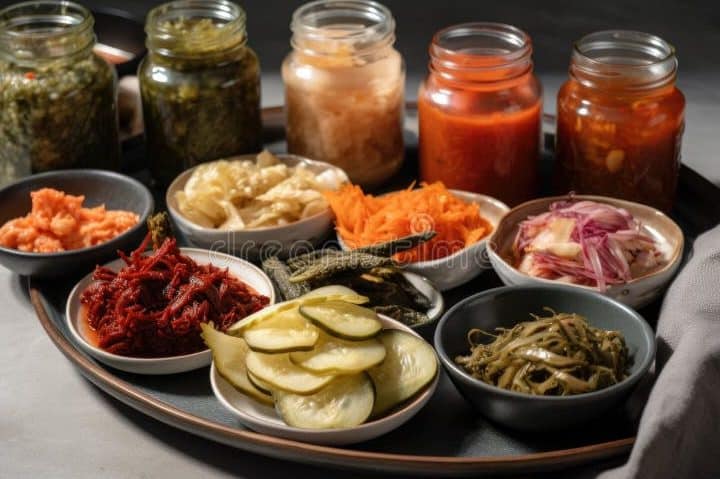
Fermentation is a traditional food preservation technique that has been used for centuries. It involves the natural breakdown of sugars and carbohydrates by microorganisms such as bacteria and yeast. This process not only helps to extend the shelf life of foods, but it also enhances their flavor, texture, and nutritional value.
In this blog post, we will explore the many benefits of fermenting foods for preservation. We will discuss how fermentation can increase the availability of nutrients in foods, improve digestion, and support a healthy gut microbiome. Additionally, we will delve into the various fermented foods that you can incorporate into your diet, such as sauerkraut, kimchi, yogurt, and kombucha. So, if you're curious about the wonders of fermentation and how it can elevate your culinary experience, keep reading!
Increases shelf life of food
Fermenting foods is a traditional preservation method that has been used for centuries. One of the main benefits of fermenting foods is that it can significantly increase the shelf life of various food items.
During the fermentation process, beneficial microorganisms such as bacteria and yeast convert sugars in the food into alcohol, acid, or gases. This creates an acidic environment that inhibits the growth of harmful bacteria, molds, and other pathogens that can cause food spoilage.
By inhibiting the growth of these spoilage-causing microorganisms, fermenting foods can extend their shelf life. This means that you can enjoy your favorite fruits, vegetables, dairy products, and even beverages for a longer period of time without worrying about them going bad.
Enhances flavor and texture
Fermenting foods not only helps to preserve them, but it also enhances their flavor and texture. The process of fermentation involves the breakdown of carbohydrates and sugars by microorganisms, such as bacteria and yeast, which produce various compounds that contribute to the unique taste and texture of fermented foods.
During fermentation, the microorganisms produce enzymes that break down complex carbohydrates into simpler sugars. These sugars are then converted into alcohol, lactic acid, or other organic acids. The production of these acids gives fermented foods their characteristic tangy or sour taste.
In addition to the production of acids, fermentation also leads to the formation of other flavor compounds, such as esters, alcohols, and volatile organic compounds. These compounds contribute to the complex and rich flavors found in fermented foods. For example, sauerkraut, which is made by fermenting cabbage, develops a tangy and slightly sour taste that enhances its overall flavor.
Furthermore, the texture of fermented foods can be transformed through the fermentation process. The breakdown of carbohydrates and proteins during fermentation can soften or tenderize the texture of fruits, vegetables, and even meats. This can make them easier to chew and digest, as well as create a more enjoyable eating experience.
Overall, fermenting foods not only helps to preserve them for longer periods of time, but it also adds depth of flavor and improves their texture. Incorporating fermented foods into your diet can provide you with a wide range of tastes and textures that can enhance your meals and support a healthy digestive system.
Boosts nutritional value
Fermenting foods is not only a great way to preserve them, but it also boosts their nutritional value. During the fermentation process, beneficial bacteria break down the carbohydrates and proteins present in the food, making them more easily digestible and increasing the availability of vitamins and minerals.
 What is soil health and why is it important for a sustainable world?
Furthermore, fermentation enhances the bioavailability of certain nutrients, such as iron and zinc, making them easier for our bodies to absorb. This can be particularly beneficial for individuals with nutrient deficiencies or compromised digestive systems.
In addition, fermented foods are rich in probiotics, which are beneficial bacteria that contribute to a healthy gut microbiome. A balanced gut microbiome is essential for proper digestion, immune function, and overall well-being.
By incorporating fermented foods into your diet, you can significantly improve the nutritional value of your meals and support your overall health.
Supports digestive health
Fermenting foods is a great way to support digestive health. During the fermentation process, beneficial bacteria break down the carbohydrates in foods, making them easier to digest. These bacteria also produce enzymes that help to break down proteins and fats, further aiding in digestion.
Additionally, fermented foods are rich in probiotics, which are live microorganisms that provide numerous health benefits. Probiotics help to restore the balance of bacteria in the gut, promoting a healthy digestive system. They can also help to alleviate symptoms of digestive disorders, such as bloating, gas, and constipation.
Incorporating fermented foods into your diet can help to maintain a healthy gut flora, improve nutrient absorption, and support overall digestive health.
Reduces risk of foodborne illness
Fermenting foods for preservation can be a great way to reduce the risk of foodborne illness. When foods are fermented, the natural fermentation process creates an acidic environment that inhibits the growth of harmful bacteria, such as E. coli and salmonella.
This acidic environment helps to preserve the food and prevent the growth of pathogens that can cause food poisoning. In addition, the beneficial bacteria produced during fermentation, such as lactobacillus, can help to further inhibit the growth of harmful bacteria.
By fermenting foods, you are essentially creating a natural barrier against foodborne illness, making them safer to consume and reducing the risk of getting sick from contaminated food.
Saves money on food waste
Fermenting foods for preservation can be a great way to save money on food waste. By fermenting vegetables, fruits, or even dairy products, you can extend their shelf life significantly. This means that you can buy in bulk or take advantage of sales without worrying about your food spoiling before you can consume it.
When you ferment foods, you create an environment that inhibits the growth of spoilage-causing bacteria. The natural fermentation process produces lactic acid, which acts as a preservative and helps to prevent the growth of harmful microorganisms. As a result, your fermented foods can last for weeks or even months, allowing you to use up every last bit and avoid throwing it away.
 The basic principles of permaculture and how they contribute to soil health
Not only does fermenting foods save you money by reducing food waste, but it also allows you to make the most out of seasonal produce. When certain fruits or vegetables are in abundance during a particular season, you can ferment them to enjoy their flavors and nutritional benefits all year round. This can also help you save money on buying out-of-season produce, as you can preserve the flavors of the peak season for later use.
In addition to saving money, fermenting foods for preservation offers numerous health benefits. Fermented foods are rich in probiotics, which are beneficial bacteria that support a healthy gut microbiome. These probiotics can improve digestion, boost the immune system, and even enhance mental well-being. By incorporating fermented foods into your diet, you can promote overall wellness and reduce the risk of certain health issues.
In conclusion, fermenting foods for preservation not only saves you money on food waste but also allows you to enjoy the flavors and benefits of seasonal produce all year round. With the added health benefits of probiotics, fermenting foods is a win-win solution for both your wallet and your well-being.
Promotes sustainability and self-sufficiency
Fermenting foods is not only a great way to preserve them for longer periods of time, but it also promotes sustainability and self-sufficiency. By fermenting our own foods, we reduce our reliance on store-bought, packaged foods that often have a high carbon footprint due to transportation and packaging.
When we ferment our own foods, we have more control over the ingredients used, which allows us to choose locally sourced and organic produce. This supports local farmers and reduces the need for long-distance transportation.
In addition, fermenting foods at home can help reduce food waste. Instead of throwing away fruits and vegetables that are starting to go bad, we can ferment them and extend their shelf life. This not only saves money but also reduces the amount of food that ends up in landfills.
By fermenting our own foods, we become more self-sufficient and less dependent on the industrial food system. We can create our own unique flavors and experiment with different fermentation techniques. This empowers us to take control of our own food production and be more sustainable in our daily lives.
Frequently Asked Questions
1. What is food fermentation?
Food fermentation is a process that involves the conversion of sugars in food into alcohol or organic acids by the action of microorganisms.
2. Why is food fermentation used for preservation?
Food fermentation is used for preservation because it creates an acidic environment that inhibits the growth of harmful bacteria and extends the shelf life of the food.
3. What are the benefits of fermenting foods for preservation?
The benefits of fermenting foods for preservation include enhanced flavor, improved digestibility, increased nutrient bioavailability, and the preservation of vitamins and minerals.
4. What are some commonly fermented foods?
Some commonly fermented foods include yogurt, sauerkraut, kimchi, kombucha, and pickles.
 Exploring natural methods to control pests and diseases in the garden
Deja una respuesta
Entradas relacionadas: