
Exploring the connection between permaculture and natural building in urban settings

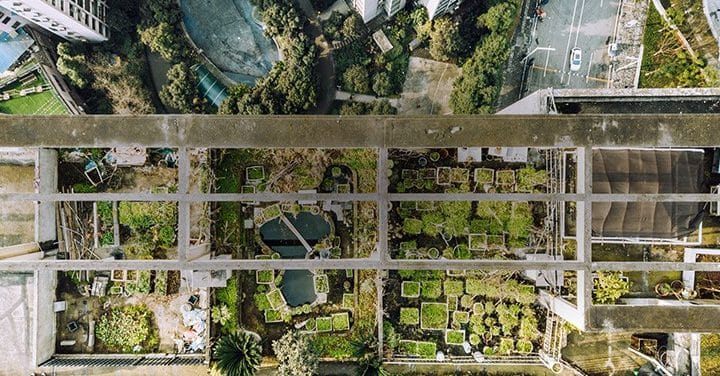
Permaculture and natural building are two sustainable practices that have gained significant attention in recent years. Permaculture is a design system that aims to create sustainable and self-sufficient ecosystems, while natural building focuses on constructing structures using locally sourced, eco-friendly materials. While these practices are often associated with rural or suburban areas, there is a growing interest in exploring how they can be applied in urban settings.
In this blog post, we will delve into the connection between permaculture and natural building in urban environments. We will discuss the potential benefits of integrating these practices in cities, such as increased food production, reduced waste, and improved biodiversity. Additionally, we will explore examples of urban projects that have successfully combined permaculture principles with natural building techniques, showcasing innovative solutions for sustainable urban living. So, if you're curious about how permaculture and natural building can transform our cities, keep reading!
- Integrating permaculture principles in urban design
- Creating green spaces in cities
- Implementing natural building techniques
- Utilizing renewable materials for construction
- Promoting sustainable urban agriculture
- Educating communities about permaculture
- Fostering local food systems in cities
- Frequently Asked Questions
Integrating permaculture principles in urban design
Permaculture, a design system that aims to create sustainable and self-sufficient ecosystems, has gained significant attention in recent years. While traditionally associated with rural settings, permaculture principles can also be applied in urban areas, specifically in the realm of natural building.
The concept of natural building
Natural building refers to the practice of using locally sourced and sustainable materials to construct buildings. This approach prioritizes the use of natural materials such as straw, clay, wood, and stone, which have lower environmental impacts compared to conventional building materials like concrete and steel.
The synergy between permaculture and natural building
When permaculture principles are integrated into the design and construction of urban buildings, it can lead to a more harmonious and sustainable relationship between humans and nature. Here are a few ways in which permaculture and natural building can work together:
- Regenerative materials: Natural building techniques prioritize the use of materials that can be regrown or replenished, such as bamboo or straw. By using these materials, we reduce the need for resource-intensive options and contribute to a regenerative approach to construction.
- Energy efficiency: Natural building often involves the use of passive solar design, which maximizes the use of natural light and heat. This reduces the reliance on artificial lighting and heating systems, resulting in lower energy consumption.
- Water management: Permaculture emphasizes the efficient use and management of water resources. Natural building techniques can incorporate features such as rainwater harvesting systems and greywater recycling, aligning with permaculture's focus on water conservation.
- Ecological integration: Natural building methods prioritize the integration of buildings within their natural surroundings. This can involve incorporating green roofs, vertical gardens, or living walls, which not only provide insulation and improve air quality but also create habitats for local wildlife.
Case studies and examples
Several projects around the world have successfully integrated permaculture and natural building principles in urban settings. One notable example is the Earthship Biotecture community in Taos, New Mexico. These self-sufficient homes are constructed using recycled materials and incorporate passive solar design, rainwater harvesting, and on-site food production.
Another example is the LILAC (Low Impact Living Affordable Community) in Leeds, UK. This co-housing development utilizes natural building techniques, including straw bale construction and green roofs, to create a sustainable and affordable living environment.
These case studies demonstrate the potential of combining permaculture and natural building in urban settings, showcasing the positive impact such integration can have on both the environment and the well-being of residents.
In conclusion, exploring the connection between permaculture and natural building in urban settings opens up possibilities for creating more sustainable and resilient communities. By incorporating permaculture principles into the design and construction of urban buildings, we can contribute to a healthier and more harmonious relationship between humans and the natural world.
Creating green spaces in cities
Creating green spaces in cities is an essential aspect of promoting sustainability and improving the quality of life for urban residents. One approach that has gained popularity in recent years is the integration of permaculture principles with natural building techniques.
Permaculture: A sustainable design approach
Permaculture is a design system that aims to create sustainable and self-sufficient ecosystems that mimic natural patterns and processes. It emphasizes the use of renewable resources, waste reduction, and the cultivation of diverse and resilient food systems.
By incorporating permaculture principles into urban environments, it becomes possible to create green spaces that not only provide aesthetic value but also contribute to the overall well-being of the community. These spaces can offer opportunities for urban farming, biodiversity conservation, and community engagement.
Natural building: An eco-friendly construction method
Natural building techniques prioritize the use of locally-sourced and low-impact materials such as straw, clay, and timber. These materials are renewable, non-toxic, and have a minimal carbon footprint compared to conventional building materials.
When combined with permaculture principles, natural building can be used to construct structures that blend harmoniously with the surrounding environment. This approach not only reduces the ecological impact of construction but also creates healthier and more energy-efficient living spaces.
The synergy between permaculture and natural building
Permaculture and natural building share a common goal of creating sustainable and regenerative systems. When applied together in urban settings, they can have a synergistic effect, maximizing the benefits of both approaches.
For example, permaculture principles can inform the design and layout of green spaces, ensuring that they are optimized for food production, water conservation, and biodiversity enhancement. Natural building techniques can then be used to construct structures within these spaces, using materials that are in harmony with the surrounding ecosystem.
- Permaculture-inspired gardens can be complemented by natural buildings such as straw bale houses or cob structures.
- Rooftop gardens can be integrated with green roofs that are constructed using natural building techniques.
- Community gardens can incorporate natural building elements such as rainwater harvesting systems and composting toilets.
By combining permaculture and natural building, urban environments can be transformed into vibrant and sustainable spaces that promote ecological balance, community resilience, and a closer connection with nature.
 How to create a permaculture guild for a productive garden
In conclusion, the integration of permaculture principles with natural building techniques offers a promising approach to creating green spaces in cities. This synergistic combination not only promotes sustainability but also enhances the overall livability and well-being of urban communities. By embracing these practices, we can contribute to a more harmonious and regenerative relationship between humans and the natural world in urban settings.
Implementing natural building techniques
Implementing natural building techniques in urban settings is a great way to integrate sustainability and permaculture principles into our cities. By using locally sourced, non-toxic, and renewable materials, we can create structures that are not only environmentally friendly but also aesthetically pleasing.
Benefits of natural building in urban settings
There are several benefits to implementing natural building techniques in urban settings:
- Sustainability: Natural building materials such as straw bales, cob, and adobe are renewable and have a low carbon footprint. Using these materials reduces the need for energy-intensive manufacturing processes.
- Improved indoor air quality: Unlike conventional building materials that may contain harmful chemicals, natural building materials are non-toxic and promote better indoor air quality.
- Enhanced thermal performance: Natural building materials have excellent thermal mass properties, which means they can absorb and release heat slowly, helping to regulate indoor temperatures and reduce the need for artificial heating or cooling.
- Connection to nature: Natural building materials create a sense of connection to nature and the natural environment, promoting a healthier and more sustainable lifestyle.
- Community engagement: Implementing natural building techniques in urban areas can foster community engagement and promote a sense of shared responsibility for the environment.
Integrating permaculture principles
Permaculture principles can be seamlessly integrated into natural building projects in urban settings:
- Use and value renewable resources and services: By using locally sourced and renewable materials, we reduce our dependence on non-renewable resources and minimize environmental impacts.
- Produce no waste: Natural building techniques often involve using materials that would otherwise be considered waste, such as straw bales or reclaimed wood.
- Design from patterns to details: Natural building designs can be inspired by the patterns found in nature, creating structures that blend harmoniously with their surroundings.
- Integrate rather than segregate: Natural building projects can be integrated into existing urban landscapes, creating a more cohesive and sustainable urban environment.
- Use small and slow solutions: Natural building projects can start small and gradually expand, allowing for experimentation and adaptation to local conditions.
In conclusion, implementing natural building techniques in urban settings not only promotes sustainability and environmental consciousness but also fosters a deeper connection to nature and community engagement. By integrating permaculture principles into our urban spaces, we can create a more sustainable and resilient future.
Utilizing renewable materials for construction
When it comes to exploring the connection between permaculture and natural building in urban settings, one of the key aspects to consider is the utilization of renewable materials for construction. By incorporating sustainable building practices, we can create structures that are not only environmentally friendly but also contribute to the overall well-being of the community.
The importance of renewable materials
Renewable materials are those that can be replenished or replaced naturally over time. They are often derived from renewable resources such as plants, trees, and even recycled materials. Using renewable materials in construction helps to reduce our reliance on non-renewable resources, such as fossil fuels and minerals, which have a detrimental impact on the environment.
There are several renewable materials that can be used in natural building:
- Bamboo: Known for its strength and versatility, bamboo is a popular choice for construction in many parts of the world. It is fast-growing and abundantly available, making it a sustainable alternative to traditional building materials.
- Straw Bales: Straw bales are a great option for insulation. They are highly efficient in maintaining temperature and are often used in walls and roofs. Straw bales are a byproduct of cereal crops and can be easily sourced from local farmers.
- Recycled Materials: Repurposing materials such as reclaimed wood, salvaged bricks, and recycled glass not only reduces waste but also adds a unique character to the building. These materials can be sourced from demolition sites or local recycling centers.
- Earth: Building with earth, such as adobe or rammed earth, has been practiced for centuries. Earth is a readily available and durable material that provides excellent thermal mass and insulation properties.
Benefits of utilizing renewable materials
By utilizing renewable materials for construction, we can reap several benefits:
- Environmental sustainability: Using renewable materials helps to minimize carbon emissions, reduce waste, and preserve natural resources.
- Energy efficiency: Many renewable materials possess excellent insulation properties, reducing the need for artificial heating or cooling systems and resulting in lower energy consumption.
- Local economy support: Sourcing renewable materials locally supports local industries and reduces transportation costs and carbon footprint.
- Health and well-being: Natural materials create healthier indoor environments by minimizing the release of harmful chemicals and promoting better air quality.
Overall, the utilization of renewable materials in construction plays a vital role in creating sustainable and resilient urban environments, integrating permaculture principles with natural building techniques. By embracing these practices, we can contribute to the development of healthier and more environmentally conscious communities.
Promoting sustainable urban agriculture
Permaculture and natural building are two interconnected practices that can have a significant impact in promoting sustainable urban agriculture. By combining principles from both disciplines, urban spaces can be transformed into thriving ecosystems that produce food while minimizing the negative environmental impacts.
Permaculture: Designing sustainable systems
Permaculture is a holistic approach to designing and managing systems that mimic natural ecosystems. It focuses on principles such as observation, integration, and cooperation with nature. In the context of urban agriculture, permaculture offers a framework to create productive and resilient food systems that require minimal inputs.
Permaculture principles can be applied to urban gardens by incorporating techniques such as companion planting, polycultures, and rainwater harvesting. These practices not only enhance biodiversity but also optimize the use of resources and increase the resilience of the system.
Natural building: Sustainable construction methods
Natural building involves using locally sourced, non-toxic, and sustainable materials to construct buildings. In the context of urban agriculture, natural building techniques can be used to create structures such as greenhouses, vertical gardens, and composting systems.
Materials such as straw bales, adobe, and reclaimed wood can be used to construct these structures, providing insulation, reducing energy consumption, and minimizing the ecological footprint. Natural building also promotes the use of renewable energy sources, such as solar panels and wind turbines, to power urban agriculture systems.
The synergy between permaculture and natural building
Permaculture and natural building complement each other in many ways. The principles of permaculture guide the design and layout of urban agriculture systems, while natural building provides the infrastructure needed to support those systems.
For example, a permaculture garden can benefit from a natural building structure like a rainwater harvesting system, which collects and stores water for irrigation. Similarly, natural building techniques can be used to construct raised beds, which optimize space utilization and improve growing conditions.
 Documental completo sobre permacultura: L'éveil de la permaculture
Together, permaculture and natural building create a symbiotic relationship that fosters sustainable urban agriculture. They offer solutions to the challenges of limited space, soil degradation, and resource scarcity in urban environments.
By implementing these practices, urban dwellers can cultivate their own food, reduce their reliance on external food sources, and contribute to a healthier and more sustainable city.
Educating communities about permaculture
Permaculture is a holistic approach to designing sustainable systems that integrate human activities with natural ecosystems. It encompasses principles and practices that aim to create regenerative and self-sustaining environments. In urban settings, permaculture offers a unique opportunity to address the challenges of limited space and resources while promoting sustainable living.
What is permaculture?
Permaculture is a combination of the words "permanent" and "culture," reflecting its goal of creating permanent and sustainable systems that are in harmony with nature. It is based on three core ethics: care for the Earth, care for people, and fair share. Permaculture principles include observation, using patterns and edges, valuing diversity, and integrating functions.
Natural building in urban settings
Natural building focuses on using locally sourced, non-toxic, and renewable materials to create sustainable structures. It promotes energy efficiency, healthy indoor environments, and minimal environmental impact. In urban settings, natural building techniques can be applied to create eco-friendly homes, community centers, and even vertical gardens.
The connection between permaculture and natural building
The principles of permaculture and natural building go hand in hand. Both approaches prioritize sustainable practices, resource conservation, and community engagement. By combining permaculture principles with natural building techniques, urban communities can create regenerative and resilient spaces that promote biodiversity, food production, and sustainable living.
- Regenerative design: Permaculture and natural building aim to regenerate and enhance the natural environment. They focus on creating systems that restore ecosystems, improve soil health, and promote biodiversity.
- Resource conservation: Both approaches emphasize the use of local materials and resources, reducing waste, and minimizing energy consumption. By using natural and renewable materials, such as straw bales, adobe, or reclaimed wood, urban communities can reduce their ecological footprint.
- Community engagement: Permaculture and natural building encourage community involvement and collaboration. They provide opportunities for individuals to learn and share skills, create social connections, and work together towards a common goal of sustainable living.
Exploring the connection between permaculture and natural building in urban settings opens up a world of possibilities for creating sustainable, resilient, and thriving communities. By integrating these approaches, we can design urban spaces that not only meet our current needs but also contribute to a healthier and more regenerative future.
Fostering local food systems in cities
Permaculture and natural building are two sustainable practices that have gained significant attention in recent years. While permaculture focuses on creating self-sustaining, ecological systems in agriculture and design, natural building emphasizes the use of locally sourced, low-impact materials in construction. Both practices have the potential to transform urban settings and foster local food systems.
Permaculture: Designing for sustainability
Permaculture is a holistic approach to agriculture and design that aims to create self-sustaining ecosystems. By mimicking natural patterns and utilizing diverse plant and animal species, permaculture systems maximize efficiency and productivity while minimizing waste.
In an urban setting, permaculture can be applied in various ways. Rooftop gardens, community gardens, and vertical farming can all be designed using permaculture principles, allowing city dwellers to grow their own food and reduce their reliance on industrial agriculture.
Natural building: Sustainable construction methods
Natural building focuses on using locally available and renewable materials, such as straw, clay, and bamboo, to construct buildings. By minimizing the use of concrete, steel, and other resource-intensive materials, natural building reduces the environmental impact of construction.
In urban settings, natural building techniques can be used to create sustainable housing, community centers, and other structures. These buildings are not only more environmentally friendly but also provide healthier and more comfortable living spaces for residents.
Synergies between permaculture and natural building
The connection between permaculture and natural building lies in their shared emphasis on sustainability and local resources. Both practices promote self-sufficiency, reduce waste, and minimize the carbon footprint associated with food production and construction.
Combining permaculture and natural building in urban settings can create a powerful synergy. For example, permaculture gardens can provide the materials needed for natural building projects, such as straw bales for insulation or clay for plastering. Similarly, natural building techniques can be used to construct structures that support permaculture systems, such as greenhouses or composting toilets.
Benefits of integrating permaculture and natural building in cities
- Increased access to fresh, locally grown food
- Reduced environmental impact of food production and construction
- Enhanced community engagement and social cohesion
- Improved urban biodiversity and ecosystem services
- Creation of sustainable and resilient urban environments
In conclusion, exploring the connection between permaculture and natural building in urban settings presents exciting opportunities for fostering local food systems and creating sustainable cities. By combining these practices, we can design and construct urban spaces that are not only environmentally friendly but also promote healthier, more resilient communities.
Frequently Asked Questions
What is permaculture?
Permaculture is a design approach that aims to create sustainable and self-sufficient systems by mimicking natural ecosystems.
What is natural building?
Natural building refers to construction methods that use locally-sourced, non-toxic materials and prioritize sustainability and energy efficiency.
 Estanque ecológico perfecto con Permaculture Pond Liner
How do permaculture and natural building connect?
Permaculture and natural building share a common goal of creating sustainable and regenerative systems that work in harmony with nature.
Can permaculture and natural building be applied in urban settings?
Yes, permaculture and natural building can be adapted to urban environments to create more sustainable and resilient cities.
Deja una respuesta
Entradas relacionadas: