
How to create a self-sustaining permaculture homestead

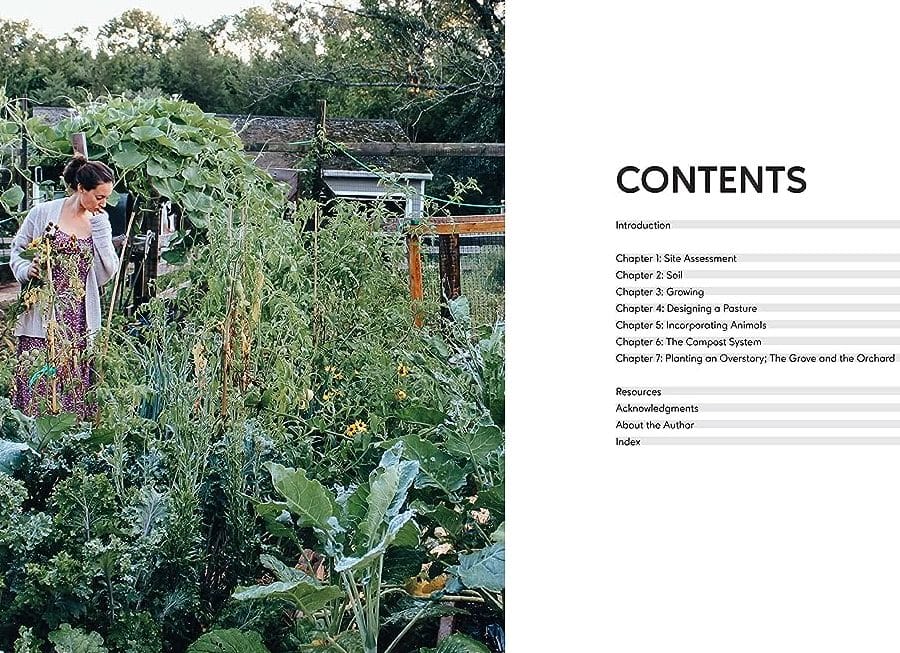
Permaculture is a sustainable agricultural system that focuses on designing and creating ecosystems that are self-sustaining and regenerative. It aims to minimize the use of external inputs and maximize the use of natural resources to create a harmonious and productive environment. One of the key aspects of permaculture is the creation of a homestead that can sustain itself and provide for the needs of its inhabitants. This blog post will explore the steps and principles involved in creating a self-sustaining permaculture homestead.
In this blog post, we will discuss the fundamental principles of permaculture and how they can be applied to create a self-sustaining homestead. We will explore the importance of observing and understanding the natural patterns and processes of the land, as well as the use of design principles such as stacking functions and integrating diverse elements. Additionally, we will delve into the different components that make up a self-sustaining homestead, including food production, water management, renewable energy, and waste management. By the end of this blog post, you will have a clear understanding of how to create your own self-sustaining permaculture homestead.
Start with a detailed plan
Creating a self-sustaining permaculture homestead requires careful planning and organization. Before you begin, it's essential to develop a detailed plan that outlines your goals, resources, and desired outcomes. This plan will serve as a roadmap for your homestead journey and will help you stay focused and on track.
Identify your goals: Start by determining what you want to achieve with your permaculture homestead. Are you aiming for self-sufficiency in food production? Do you want to create a sustainable and regenerative ecosystem? Defining your goals will guide your decision-making process throughout the planning and implementation stages.
Assess your resources: Take stock of the resources you have available, including land, water sources, tools, and materials. Evaluate the strengths and limitations of your resources to determine how they can be maximized and optimized for your homestead project.
Design your layout: A well-designed layout is crucial for a self-sustaining permaculture homestead. Consider factors such as sun exposure, water flow, and access to different areas of your property. Create zones within your homestead, where different activities and plants are grouped based on their needs and functions.
Choose appropriate plants and animals: Select plants and animals that are suited to your climate, soil type, and available resources. Focus on perennials and native species that require minimal inputs and have the potential to provide multiple benefits, such as food, habitat, and pest control.
Implement sustainable practices: Incorporate sustainable practices into your homestead, such as water conservation, composting, and natural pest control. Explore techniques like rainwater harvesting, vermiculture, and companion planting to minimize waste and maximize productivity.
Maintain and adapt: Regular maintenance is essential for a self-sustaining permaculture homestead. Monitor your plants, animals, and systems to ensure their health and productivity. Be open to adaptation and experimentation, as you learn from your experiences and make adjustments to improve the overall resilience and efficiency of your homestead.
Choose the right location
When it comes to creating a self-sustaining permaculture homestead, choosing the right location is crucial. Here are a few key factors to consider:
1. Climate and Weather
Take into account the climate and weather patterns in your area. Different plants and animals thrive in different climates, so choose a location that suits the needs of the species you plan to cultivate.
2. Sunlight Exposure
Ensure that your homestead gets adequate sunlight exposure. Most plants require at least six hours of direct sunlight per day to grow and produce well. Observe the sun's path throughout the day to determine the best positioning for your gardens and crops.
3. Soil Quality
Assess the quality of the soil in your potential homestead location. Look for fertile soil that is rich in organic matter and drains well. Conduct soil tests to determine its pH level and nutrient content. This will help you understand what amendments or adjustments may be necessary to optimize your growing conditions.
4. Water Availability
Consider the availability of water sources on or near your property. Ideally, your homestead should have access to a reliable water supply, either from a well, spring, or nearby water source. This is essential for irrigation, livestock, and household use.
5. Proximity to Community
Think about the distance and accessibility to local markets, suppliers, and community support. Being close to a community that shares your values and supports sustainable practices can enhance your homesteading experience and provide valuable resources and knowledge.
6. Legal and Zoning Considerations
Research local regulations and zoning laws that may affect your ability to create a self-sustaining homestead. Ensure that your plans align with any restrictions or requirements imposed by your local government.
By carefully considering these factors, you can choose a location that sets the foundation for a successful self-sustaining permaculture homestead.
Build a diverse food forest
A diverse food forest is an essential component of a self-sustaining permaculture homestead. By creating a food forest, you can mimic the natural ecosystem and maximize the productivity of your land while minimizing the need for external inputs.
 What is soil health and why is it important for a sustainable world?
1. Plan your food forest
Start by designing your food forest on paper. Consider the different layers and elements you want to include, such as canopy trees, understory trees, shrubs, herbaceous plants, climbers, and groundcovers. Think about their growth habits, nutrient requirements, and compatibility with each other.
2. Choose the right plants
Select a diverse range of plant species that are well-suited to your climate and soil conditions. Look for perennial plants that are low-maintenance, disease-resistant, and provide multiple yields. Include nitrogen-fixing plants, dynamic accumulators, and pest-repellent species to improve overall soil fertility and pest control.
3. Implement proper spacing
Give each plant enough space to grow and thrive. Consider their mature size and growth habits to avoid overcrowding and competition for resources. Proper spacing ensures that each plant receives adequate sunlight, water, and nutrients.
4. Build healthy soil
Focus on improving the soil health in your food forest by adding organic matter, such as compost, mulch, and cover crops. This will enhance nutrient availability, water retention, and microbial activity in the soil, fostering a thriving ecosystem.
5. Practice companion planting
Utilize the concept of companion planting to create mutually beneficial relationships between plants. Some plants repel pests or attract beneficial insects, while others provide shade or support climbing plants. By strategically placing plants together, you can enhance biodiversity and improve the overall health of your food forest.
6. Maintain and manage
Regularly maintain and manage your food forest to ensure its long-term sustainability. Prune trees, control weeds, and monitor for pests and diseases. Harvest and enjoy the abundance of fresh, organic produce from your food forest while ensuring its continued health and productivity.
By building a diverse food forest, you can create a self-sustaining permaculture homestead that provides you with a variety of nutritious food, while also benefiting the environment and supporting biodiversity.
Implement water harvesting systems
Implementing water harvesting systems is a key step towards creating a self-sustaining permaculture homestead. By capturing and storing rainwater, you can ensure a consistent water supply for your plants and animals, even during dry periods.
1. Install rain barrels
One of the simplest and most effective water harvesting methods is to install rain barrels. These large containers can be placed under downspouts to collect rainwater from your roof. Make sure to place them on a stable base and cover them to prevent debris and mosquito breeding.
2. Create swales
Swales are shallow ditches or trenches that are dug along contour lines to capture and hold rainwater. By directing the water to areas where it is needed the most, swales help to prevent erosion and promote the infiltration of water into the soil. Planting water-loving species along the swales can further enhance water retention.
3. Build a pond or reservoir
If you have enough space, consider building a pond or reservoir on your property. These larger water storage systems can collect and store a significant amount of rainwater. They can also serve as a habitat for aquatic plants and animals. Be sure to check local regulations and obtain any necessary permits before constructing a pond.
4. Use greywater systems
Greywater refers to the wastewater generated from activities such as washing dishes, doing laundry, and taking showers. Instead of letting this water go to waste, you can collect and treat it for use in irrigation. Greywater systems can be as simple as diverting the water from your washing machine to a designated area in your garden.
5. Consider a rain garden
A rain garden is a planted depression that allows rainwater to be absorbed into the ground. By selecting native plants and designing the garden with proper drainage, you can create an attractive and functional feature that helps to recharge groundwater and reduce stormwater runoff.
By implementing these water harvesting systems, you can reduce your reliance on external water sources and create a self-sustaining permaculture homestead that thrives even in challenging conditions.
Use renewable energy sources
Using renewable energy sources is crucial for creating a self-sustaining permaculture homestead. By harnessing the power of natural resources, you can minimize your reliance on non-renewable energy and reduce your carbon footprint.
Solar energy
One of the most popular renewable energy sources is solar energy. Installing solar panels on your property allows you to generate electricity from the sun's rays. This clean and sustainable energy can be used to power your home, heat water, and even charge electric vehicles.
Wind energy
Another viable option is harnessing the power of wind energy. Installing wind turbines on your property can generate electricity from the wind's kinetic energy. This energy can be used to power various appliances and systems on your homestead.
Hydroelectric power
If you have access to a stream or river on your property, you can consider using hydroelectric power. By installing a micro-hydro system, you can generate electricity from the flowing water. This can be a reliable source of energy for your homestead, especially if you live in an area with abundant water resources.
 The basic principles of permaculture and how they contribute to soil health
Biomass energy
Biomass energy involves using organic materials, such as wood chips, crop residues, or animal waste, to produce heat or electricity. This can be done through processes like burning or anaerobic digestion. By utilizing biomass energy, you can make use of waste materials and reduce your dependence on fossil fuels.
By incorporating these renewable energy sources into your permaculture homestead, you can create a self-sustaining energy system that aligns with the principles of sustainability and environmental stewardship.
Practice sustainable waste management
One of the key aspects of creating a self-sustaining permaculture homestead is practicing sustainable waste management. This involves reducing, reusing, and recycling as much as possible, as well as implementing systems to manage organic waste and other types of waste in an environmentally friendly way.
Reduce
The first step in sustainable waste management is to reduce the amount of waste generated. This can be done by avoiding single-use items, opting for reusable alternatives, and making conscious choices to minimize waste in our daily lives. For example, using cloth bags instead of plastic bags, buying in bulk to reduce packaging waste, and choosing products with minimal or recyclable packaging.
Reuse
Another important aspect is to find creative ways to reuse items instead of throwing them away. This can involve repurposing old materials, such as using glass jars as storage containers or turning old clothing into rags. By reusing items, we can extend their lifespan and reduce the need for new products.
Recycle
Recycling is a well-known method of waste management, but it's important to do it correctly. Familiarize yourself with the recycling guidelines in your area and make sure to separate recyclable materials from non-recyclable ones. This can include items such as glass, plastic, paper, and metal. By recycling, we can reduce the amount of waste that ends up in landfills and conserve valuable resources.
Manage organic waste
Managing organic waste is crucial for a self-sustaining permaculture homestead. Composting is an excellent way to turn kitchen scraps and yard waste into nutrient-rich soil for your garden. You can create a compost bin or pile, and add organic matter such as fruit and vegetable peels, coffee grounds, and leaves. Over time, these materials will break down and transform into compost that can be used to fertilize your plants.
Consider other waste management systems
In addition to reducing, reusing, recycling, and managing organic waste, there are other waste management systems to consider for a self-sustaining permaculture homestead. These may include rainwater harvesting systems to collect and store rainwater for irrigation, greywater systems to reuse water from sinks and showers, and vermicomposting systems to compost food waste using worms. By implementing these systems, you can further reduce your environmental impact and create a more sustainable homestead.
In conclusion, practicing sustainable waste management is a crucial aspect of creating a self-sustaining permaculture homestead. By reducing, reusing, recycling, and managing organic waste, as well as implementing other waste management systems, we can minimize our environmental footprint and create a more sustainable future.
Continuously educate yourself and adapt
Continuously educating yourself and adapting is crucial when creating a self-sustaining permaculture homestead. In order to successfully implement permaculture principles and practices, it is important to stay updated on the latest information and techniques.
Here are some key points to consider when it comes to continuous education and adaptation:
1. Attend workshops and courses:
One way to expand your knowledge is by attending workshops and courses on permaculture. These events are usually organized by experienced practitioners who can provide valuable insights and practical demonstrations. Look for workshops that cover topics such as soil health, companion planting, water conservation, and natural pest management.
2. Join permaculture communities:
Connect with like-minded individuals by joining local permaculture communities or online forums. These communities often organize meetups, garden tours, and knowledge-sharing sessions. By engaging with others who share your passion for permaculture, you can learn from their experiences and gain valuable advice.
3. Read books and articles:
There is a wealth of knowledge available in books and articles written by permaculture experts. Make it a habit to read books on permaculture principles, design techniques, and case studies. Additionally, stay updated by subscribing to permaculture magazines and following reputable websites that publish articles on sustainable agriculture and homesteading.
4. Experiment and learn from mistakes:
Permaculture is all about learning from nature and adapting to the specific conditions of your homestead. Don't be afraid to experiment and try new techniques. However, it is equally important to learn from your mistakes. Keep a journal to document your successes and failures, and use this knowledge to continuously improve your permaculture practices.
Remember, education is a lifelong journey, and the more you learn and adapt, the more resilient and self-sustaining your permaculture homestead will become.
Frequently Asked Questions
1. What is permaculture?
Permaculture is a holistic approach to designing sustainable and regenerative systems based on natural patterns and principles.
2. How can I create a self-sustaining permaculture homestead?
Creating a self-sustaining permaculture homestead involves designing and implementing a diverse ecosystem of plants and animals that work together to meet the needs of the household, while minimizing waste and external inputs.
 Exploring natural methods to control pests and diseases in the garden
3. What are the key principles of permaculture?
The key principles of permaculture include observing and mimicking natural patterns, maximizing diversity, minimizing waste, using renewable resources, and valuing and enhancing the natural environment.
4. How long does it take to establish a self-sustaining permaculture homestead?
The time it takes to establish a self-sustaining permaculture homestead can vary depending on factors such as the size of the property, the resources available, and the experience and knowledge of the individuals involved. It is a long-term process that requires ongoing learning and adaptation.
Deja una respuesta
Entradas relacionadas: