
Key Design Elements for a Permaculture Garden

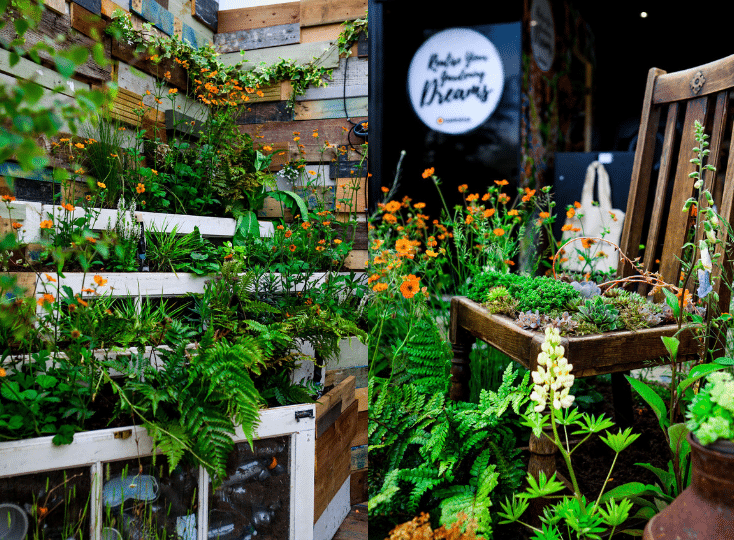
Permaculture gardening is a sustainable approach to designing and maintaining a garden that is in harmony with nature. It focuses on creating ecosystems that are self-sufficient, productive, and resilient. Key design elements play a crucial role in achieving these goals, as they guide the layout and organization of the garden to mimic natural patterns and processes.
In this blog post, we will explore some of the key design elements that are essential for creating a successful permaculture garden. We will discuss the importance of observing and understanding the site, including factors such as climate, soil conditions, and existing flora and fauna. We will also delve into the concept of zones and sectors, which help determine the placement of different elements within the garden based on their frequency of use and energy requirements. Furthermore, we will explore the use of vertical gardening techniques, companion planting, and water management strategies, all of which contribute to the overall sustainability and productivity of a permaculture garden.
Water-efficient irrigation systems
A key design element for a permaculture garden is the use of water-efficient irrigation systems. These systems help to minimize water waste and ensure that plants receive the necessary amount of water without overwatering.
One popular water-efficient irrigation system is drip irrigation, which delivers water directly to the plant's root zone. This method prevents water evaporation and reduces the risk of weed growth.
Another option is the use of soaker hoses, which release water slowly and evenly along their length. This allows for deep watering and prevents water runoff.
It's also important to consider the use of rainwater harvesting systems in a permaculture garden. Installing rain barrels or cisterns can capture and store rainwater, which can then be used for irrigation.
In addition to these water-efficient irrigation systems, creating contour swales and berms can help to retain water on the site, reducing the need for additional irrigation.
Overall, incorporating water-efficient irrigation systems in a permaculture garden is an important design element that promotes sustainability and conservation of water resources.
Diverse and layered plantings
One of the key design elements for a permaculture garden is to have diverse and layered plantings. This means incorporating a wide variety of plants that complement each other and create a balanced ecosystem.
Benefits of diverse and layered plantings
There are several benefits to incorporating diverse and layered plantings in a permaculture garden:
- Increased biodiversity: By planting a variety of plants, you create habitats for a diverse range of insects, birds, and other wildlife.
- Natural pest control: Having a diverse range of plants can help to naturally control pests, as certain plants attract beneficial insects that prey on pests.
- Enhanced soil health: Different plants have different root structures, which can help to improve soil structure and nutrient cycling.
- Extended growing season: By planting a variety of plants with different growth habits, you can extend the growing season and ensure a continuous harvest throughout the year.
Layering in a permaculture garden
Layering is another important aspect of diverse plantings in a permaculture garden. It involves planting plants of different heights and growth habits to maximize the use of vertical space and create a more productive garden.
Here are some examples of different layers in a permaculture garden:
- Tall trees: These provide shade, act as windbreaks, and can be used to support climbing plants.
- Medium-sized shrubs: These can provide additional shade, attract pollinators, and act as natural barriers or boundaries.
- Groundcover plants: These low-growing plants help to suppress weeds, prevent soil erosion, and provide a living mulch.
- Vining plants: These can be trained to climb on trellises or other supports, maximizing vertical space.
Overall, incorporating diverse and layered plantings in a permaculture garden is essential for creating a resilient and sustainable ecosystem. It not only enhances biodiversity and soil health but also provides a continuous harvest and natural pest control. By carefully selecting and arranging plants, you can create a beautiful and productive garden.
Composting and soil improvement
Composting and soil improvement are key design elements for a permaculture garden. These practices help create a healthy and fertile soil that supports the growth of plants and enhances their ability to withstand pests and diseases.
Composting
Composting is the process of decomposing organic matter, such as kitchen scraps, yard waste, and other plant materials, into nutrient-rich compost. This compost can then be used as a natural fertilizer for the garden.
To start composting, you need a compost bin or pile where you can collect and mix your organic waste. It's important to have a good balance of "green" and "brown" materials in your compost. Green materials include fresh grass clippings, vegetable scraps, and coffee grounds, while brown materials include dry leaves, twigs, and newspaper. The mixture should be turned regularly to provide oxygen to the decomposing microorganisms.
Composting not only reduces waste going to landfills but also improves soil structure, water retention, and nutrient availability. It helps create a healthy soil ecosystem that supports the growth of plants and encourages beneficial soil organisms.
 Maximizing Space: Vertical Gardening in Urban Permaculture
Soil Improvement
Soil improvement is another crucial aspect of permaculture gardening. By improving the quality of the soil, you can enhance its ability to retain water, nutrients, and beneficial microorganisms.
One way to improve soil is by adding organic matter. This can be done by incorporating compost into the soil or by using cover crops that are later turned into the soil as green manure. Organic matter helps improve soil structure, increases water-holding capacity, and provides essential nutrients for plant growth.
Another method of soil improvement is mulching. Mulching involves covering the soil surface with a layer of organic material, such as straw, wood chips, or leaves. This helps conserve soil moisture, suppress weed growth, and regulate soil temperature.
Furthermore, incorporating crop rotation and companion planting techniques can also help improve soil health. Crop rotation involves rotating different plant species in the same area over time to prevent nutrient depletion and reduce pest and disease pressure. Companion planting involves planting compatible plants together, which can help enhance soil fertility and deter pests.
By implementing composting and soil improvement practices, you can create a thriving permaculture garden with healthy plants, productive soil, and a sustainable ecosystem.
Perennial crops for long-term productivity
Perennial crops are an essential element in a permaculture garden as they provide long-term productivity and stability to the ecosystem. By incorporating perennial plants into your garden design, you can create a sustainable and low-maintenance system that will continue to produce food year after year.
Diversity for resilience
A key aspect of incorporating perennial crops into your garden is to focus on diversity. By including a variety of different perennial plants, you can enhance the resilience of your garden ecosystem. This diversity helps to prevent the spread of pests and diseases, as well as providing a more balanced and nutrient-rich environment.
Choosing the right plants
When selecting perennial crops for your garden, it's important to consider the climate, soil conditions, and available space. Some popular perennial crops include fruit trees such as apples, pears, and plums, as well as berries like raspberries, blackberries, and blueberries. Additionally, herbs like rosemary, thyme, and sage, and perennial vegetables like asparagus and rhubarb are excellent choices.
Creating guilds
Another design element to consider is creating guilds within your permaculture garden. Guilds are groups of plants that work together to support each other's growth and provide mutual benefits. For example, you can plant a fruit tree as the central element of the guild, surrounded by nitrogen-fixing plants, ground covers, and insect-repelling herbs. This creates a self-sustaining ecosystem that maximizes productivity and minimizes the need for external inputs.
Maintenance and care
While perennial crops are generally low-maintenance, they still require regular care and attention. Pruning, watering, and fertilizing are necessary to ensure optimal growth and productivity. It's also important to monitor for pests and diseases and take appropriate actions to prevent or control them.
In conclusion, incorporating perennial crops into your permaculture garden is a key design element that provides long-term productivity and stability. By focusing on diversity, choosing the right plants, creating guilds, and providing proper maintenance and care, you can create a thriving and sustainable garden that will continue to yield abundant harvests for years to come.
Wildlife-friendly habitat features
Creating a wildlife-friendly habitat is an essential element of a permaculture garden. By incorporating specific features, you can attract and support a diverse range of wildlife, contributing to the overall health and balance of your garden ecosystem.
1. Native Plants
One of the key design elements for a wildlife-friendly garden is the use of native plants. Native plants provide food, shelter, and nesting materials for local wildlife species. By choosing plants that are adapted to the local climate and soil conditions, you can create a thriving habitat for birds, butterflies, bees, and other beneficial insects.
2. Water Sources
Water is a crucial resource for wildlife, so providing a variety of water sources in your garden is essential. This can include bird baths, shallow ponds, and even small streams or water features. Be sure to keep the water sources clean and regularly filled to attract and support a wide range of wildlife.
3. Shelter and Nesting Sites
Wildlife requires shelter and nesting sites to feel safe and secure in your garden. You can incorporate various elements such as dense shrubs, trees, and rock piles to provide hiding places for small animals. Additionally, consider adding birdhouses, bat boxes, and insect hotels to offer specific nesting opportunities for different species.
4. Food Sources
Offering a diverse range of food sources is crucial for attracting wildlife to your garden. This can include planting fruit-bearing trees and shrubs, as well as providing feeders or stations for birds. Creating a variety of flowering plants will also attract pollinators, such as bees and butterflies, which play a vital role in the garden ecosystem.
5. Avoid Chemicals
Avoiding the use of chemicals, such as pesticides and herbicides, is essential for maintaining a wildlife-friendly garden. These chemicals can harm beneficial insects, birds, and other wildlife, disrupting the delicate balance of the ecosystem. Instead, opt for natural pest control methods, companion planting, and organic gardening practices.
 5 Essential Herbs for a Natural Medicine Cabinet
By incorporating these key design elements into your permaculture garden, you can create a thriving and wildlife-friendly habitat. Not only will you enjoy the beauty and diversity of the wildlife that visits your garden, but you will also contribute to the conservation of local ecosystems and promote a sustainable way of gardening.
Efficient use of space
When designing a permaculture garden, one of the key design elements to consider is the efficient use of space. By maximizing the use of available space, you can create a productive and diverse garden that meets your needs.
Planting in layers
One way to efficiently use space in a permaculture garden is by planting in layers. This means utilizing vertical space by growing plants of different heights. For example, you can plant tall fruit trees as the top layer, followed by medium-sized shrubs, and finally groundcover plants. This approach allows you to make the most of the vertical space available, increasing the overall productivity of your garden.
Intercropping
Intercropping is another technique that can help maximize space utilization. It involves planting complementary crops together in the same area. For example, you can intercrop fast-growing vegetables with slower-growing fruit trees. The vegetables can be harvested before the fruit trees reach their full size, allowing you to utilize the space in between efficiently.
Utilizing raised beds
Raised beds are an excellent way to optimize space in a permaculture garden. By constructing raised beds, you can grow plants closer together without compromising their access to nutrients and water. Additionally, raised beds provide better drainage and prevent soil erosion, creating a healthier and more productive garden.
Utilizing vertical gardening techniques
Vertical gardening techniques, such as trellises, arbors, and hanging baskets, can significantly increase the amount of growing space in your garden. These techniques allow you to grow vining plants, such as cucumbers or beans, vertically, freeing up valuable ground space for other crops.
By incorporating these efficient use of space design elements into your permaculture garden, you can create a thriving and productive space that maximizes the potential of your available area.
Integration of renewable energy sources
When designing a permaculture garden, one of the key elements to consider is the integration of renewable energy sources. This not only helps reduce reliance on fossil fuels but also promotes sustainability and self-sufficiency within the garden.
One important aspect to consider is the installation of solar panels. These panels can be strategically placed in areas that receive maximum sunlight to harness solar energy. The electricity generated from these panels can be used to power various garden features such as irrigation systems, lighting, and even electric tools.
Another renewable energy source to integrate into a permaculture garden is wind power. Installing small wind turbines can help generate electricity from the wind, especially in areas with consistent strong winds. This energy can be used to power the garden or even be stored in batteries for later use.
Hydroelectric power can also be utilized in a permaculture garden if there is a water source such as a stream or river. By installing a small turbine or water wheel, the flowing water can be used to generate electricity. This can be particularly useful for powering water pumps or hydroponic systems.
Lastly, biomass energy can be harnessed in a permaculture garden through the use of composting and biogas production. Composting organic waste materials not only helps improve soil fertility but also produces biogas, which can be used for cooking or heating. This eliminates the need for fossil fuel-based cooking or heating methods and reduces waste.
By incorporating these renewable energy sources into the design of a permaculture garden, not only can the garden become more sustainable and self-sufficient, but it also serves as an educational tool for visitors to learn about the benefits and possibilities of renewable energy.
Frequently Asked Questions
What is permaculture gardening?
Permaculture gardening is a sustainable approach to designing and managing an ecosystem that mimics natural patterns and processes.
What are the key design elements for a permaculture garden?
The key design elements for a permaculture garden include diversity, integration, and efficiency.
Why is diversity important in a permaculture garden?
Diversity in a permaculture garden promotes resilience and provides a variety of resources for plants, animals, and beneficial insects.
How does integration play a role in permaculture garden design?
Integration in permaculture garden design involves carefully considering the relationships between different elements to create mutually beneficial connections.
 How to improve soil structure and fertility for sustainable gardening
Deja una respuesta
Entradas relacionadas: