
Native Garden Design: Tips for Creating a Beautiful Landscape

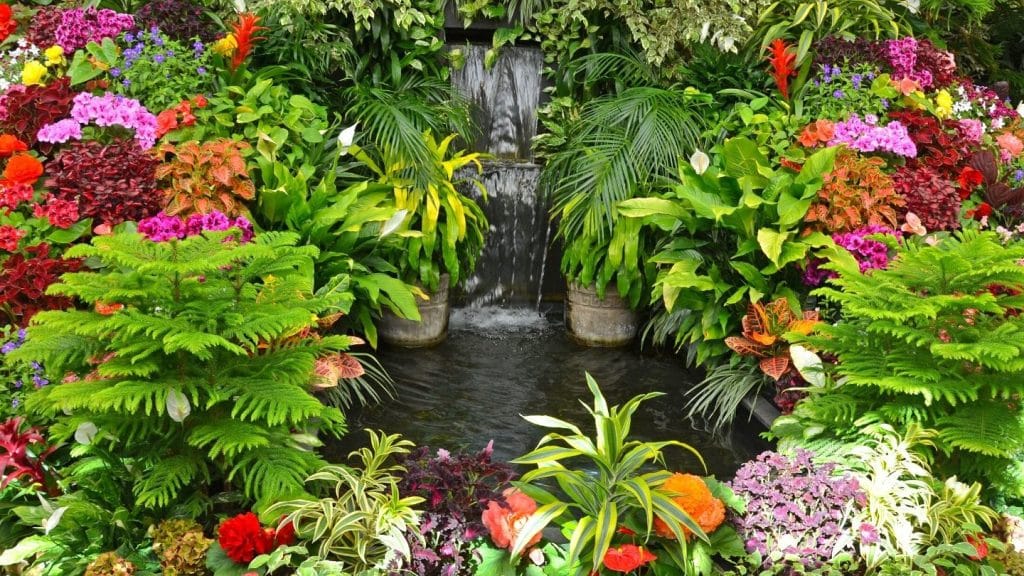
Creating a native garden can be a fantastic way to enhance the beauty of your landscape while also supporting local wildlife and conserving water. Native gardens are designed to mimic the natural habitats found in your region, using plants that are indigenous to the area. By incorporating native plants into your garden design, you can create a sustainable and low-maintenance landscape that is both visually stunning and environmentally friendly.
In this blog post, we will explore some essential tips for creating a beautiful native garden design. We will discuss the importance of choosing the right plants for your region, the role of soil preparation and maintenance, and the benefits of incorporating native plants into your landscape. Whether you are a seasoned gardener or just starting out, these tips will help you create a stunning native garden that will thrive for years to come.
- Choose native plants for diversity
- Use native grasses for texture
- Use native grasses for texture
- Create a water-efficient irrigation system
- Incorporate natural materials like rocks
- Attract pollinators with colorful flowers
- Provide shelter for wildlife with birdhouses
- Provide shelter for wildlife with birdhouses
- Use mulch to conserve moisture
- Frequently Asked Questions
Choose native plants for diversity
Native plants are a key element in creating a beautiful landscape. When choosing plants for your garden, opt for native species as they are adapted to the local climate and soil conditions. This not only ensures their survival but also promotes biodiversity in your garden.
Native plants are beneficial for various reasons. They provide habitat and food for local wildlife, including birds, butterflies, and bees. By planting native species, you can help support the ecosystem and create a balanced environment.
When selecting native plants, consider their growth habits, colors, and textures. Aim for a diverse mix of plants to create visual interest and enhance the overall beauty of your landscape.
Consider the site conditions
Before planting native species, it's important to assess the site conditions of your garden. Native plants are adapted to specific soil types, sunlight levels, and moisture levels. Take note of the soil pH, drainage, and exposure to sunlight in different areas of your garden.
Some native plants prefer full sun, while others thrive in partial shade or even full shade. By understanding the site conditions, you can choose the right plants for each area of your garden and ensure their success.
Create layers and structure
Native garden design often emphasizes creating layers and structure to mimic natural ecosystems. This can be achieved by incorporating plants of varying heights and forms.
Consider using tall trees or shrubs as the backbone of your garden. These plants provide shade, privacy, and serve as a focal point. Underneath, you can plant smaller shrubs, perennials, and groundcovers to create layers and add depth to your landscape.
By incorporating different plant forms, you'll create a visually appealing garden that is not only aesthetically pleasing but also functional for wildlife.
Use native plants for specific purposes
Native plants can serve specific purposes in your garden beyond their beauty. For example, some native grasses are excellent for erosion control and stabilizing slopes. Others have deep roots that help improve soil structure and prevent water runoff.
Consider incorporating native plants that attract pollinators, such as milkweed for monarch butterflies or native wildflowers for bees. These plants not only enhance the beauty of your garden but also play a crucial role in supporting pollinators and ensuring their survival.
- Research native plants that are suitable for your region
- Create a planting plan based on site conditions and desired aesthetic
- Incorporate a diverse mix of plants to promote biodiversity
- Consider the specific purposes of native plants in your garden
- Maintain and care for your native garden regularly
By following these tips and incorporating native plants into your garden design, you can create a beautiful landscape that not only enhances the aesthetic appeal of your home but also supports local wildlife and promotes sustainability.
Use native grasses for texture
Use native grasses for texture
When it comes to creating a beautiful landscape, one of the key elements to consider is texture. Native grasses are a fantastic option to add texture to your garden design. Not only do they provide visual interest, but they also offer other benefits such as erosion control and habitat for wildlife.
Here are some tips on how to incorporate native grasses into your landscape:
1. Choose the right native grasses
Before selecting native grasses for your garden, make sure to research the types that are suitable for your region. Some popular options include switchgrass, little bluestem, and prairie dropseed. Consider factors such as sunlight, soil type, and water requirements when making your selection.
2. Create a focal point
Native grasses can be used as a focal point in your garden design. Plant them in clusters or create a small meadow to draw attention to their unique texture and movement. This will add visual interest and create a dynamic landscape.
3. Mix and match
Don't be afraid to mix different types of native grasses to create a diverse and visually appealing landscape. Combining grasses with different heights, colors, and textures will add depth and dimension to your garden design.
4. Consider maintenance
Native grasses are generally low-maintenance, but it's important to consider their specific needs. Some grasses may require regular pruning or dividing, while others may thrive with minimal care. Make sure to understand the maintenance requirements of the native grasses you choose and incorporate them into your garden care routine.
5. Provide adequate space
Native grasses tend to spread and expand over time, so it's important to give them enough space to grow. Avoid overcrowding by planting them with enough room to reach their full potential. This will ensure that they can thrive and maintain their natural beauty.
 How to start your own community garden
Conclusion:
Incorporating native grasses into your garden design can greatly enhance the overall look and feel of your landscape. By selecting the right grasses, creating focal points, mixing different varieties, considering maintenance, and providing adequate space, you can create a stunning and sustainable native garden that is both visually appealing and beneficial for the environment.
Create a water-efficient irrigation system
One of the key elements in creating a beautiful native garden is designing a water-efficient irrigation system. With the right irrigation setup, you can ensure that your plants receive the proper amount of water while minimizing wastage. Here are a few tips to help you create an effective water-efficient irrigation system:
1. Use drip irrigation
Drip irrigation is a highly efficient method that delivers water directly to the root zone of plants. It minimizes evaporation and ensures that water is delivered precisely where it's needed. Consider installing a drip irrigation system, which uses tubes or pipes with small holes or emitters to deliver water slowly and directly to the plants.
2. Install a rainwater harvesting system
Rainwater harvesting is an excellent way to conserve water and reduce your reliance on municipal water sources. Install a rainwater harvesting system to collect and store rainwater, which can then be used to irrigate your native garden. Place rain barrels or cisterns strategically to capture rainwater runoff and connect them to your irrigation system.
3. Group plants with similar water needs
When designing your native garden, group plants together based on their water needs. This allows you to create irrigation zones that cater to the specific requirements of each group. By grouping plants with similar water needs, you can avoid overwatering or underwatering certain areas, optimizing water usage in your garden.
4. Incorporate mulch
Mulching is a great way to conserve moisture in the soil, reduce weed growth, and maintain a more consistent soil temperature. Apply a layer of organic mulch around your plants to help retain moisture and reduce water evaporation. This will not only help to conserve water but also promote healthier plant growth.
5. Consider using a smart irrigation controller
A smart irrigation controller is a device that automatically adjusts watering schedules based on factors such as weather conditions, soil moisture levels, and plant water needs. By investing in a smart irrigation controller, you can optimize your watering schedule and avoid overwatering or underwatering your native garden.
By implementing these tips and creating a water-efficient irrigation system, you can ensure that your native garden thrives while conserving water and reducing environmental impact. Happy gardening!
Incorporate natural materials like rocks
One of the key elements in native garden design is the incorporation of natural materials, such as rocks. Rocks can add texture, depth, and visual interest to your landscape. Here are some tips for incorporating rocks into your native garden:
1. Choose the right type of rocks
When selecting rocks for your native garden, it's important to choose rocks that are compatible with your local environment. Look for rocks that are indigenous to your area, as they will blend seamlessly with the natural surroundings. Avoid using rocks that are non-native or invasive, as they can disrupt the balance of your ecosystem.
2. Consider the size and shape
The size and shape of the rocks you choose will greatly impact the overall look of your native garden. Larger rocks can be used as focal points or as borders, while smaller rocks can be used to fill in gaps or create pathways. Experiment with different sizes and shapes to create a visually appealing design.
3. Use rocks strategically
Rocks can be used in various ways to enhance your native garden. They can be arranged to create natural retaining walls, which can help prevent erosion and add dimension to your landscape. Rocks can also be used to define planting areas or to create a dry creek bed effect. Get creative and think outside the box!
4. Combine rocks with native plants
To create a harmonious and cohesive look, consider combining rocks with native plants in your garden design. Native plants are well-suited to your local climate and require less maintenance than non-native species. Place rocks strategically around native plants to create a natural and organic feel.
Incorporating rocks into your native garden design can add a touch of natural beauty and create a landscape that is visually stunning. Follow these tips and let your creativity flow to create a truly beautiful and sustainable garden.
Attract pollinators with colorful flowers
One of the key elements in native garden design is the use of colorful flowers to attract pollinators. By incorporating a variety of vibrant blooms into your landscape, you can create an inviting environment for bees, butterflies, and other beneficial insects.
Here are some tips to help you attract pollinators with colorful flowers:
1. Choose native flowering plants
Native plants are well-adapted to the local climate and soil conditions, making them more likely to thrive in your garden. Look for native flowering plants that are known to attract pollinators, such as wildflowers, coneflowers, and milkweed.
2. Opt for a variety of flower shapes and colors
Pollinators are attracted to different types of flowers, so it's important to provide a diverse range of shapes and colors. Include flowers with petals in various shades of red, orange, yellow, purple, and blue to catch the attention of different pollinator species.
3. Plant flowers in clusters
Grouping flowers together in clusters makes it easier for pollinators to find and access the nectar and pollen they need. Planting flowers in clumps also creates a more visually striking display in your garden.
 What Are Native Plants and Animals?
4. Consider the blooming season
To ensure a continuous food source for pollinators throughout the year, choose flowers that bloom at different times. This way, you'll have colorful blooms in your garden from spring to fall, providing a steady supply of nectar and pollen.
5. Provide water sources
In addition to flowers, it's important to provide water sources for pollinators. Consider adding a shallow bird bath or a small pond to your garden to give pollinators a place to drink and cool off.
By following these tips, you can create a beautiful native garden that not only enhances the aesthetic appeal of your landscape but also supports the important work of pollinators.
Provide shelter for wildlife with birdhouses
Provide shelter for wildlife with birdhouses
Creating a native garden is not only a great way to enhance the beauty of your landscape, but it also provides a valuable habitat for wildlife. One way to attract and support local bird populations is by incorporating birdhouses into your garden design. Birdhouses offer a safe and comfortable shelter for birds to nest, rest, and raise their young.
When choosing birdhouses for your native garden, there are a few important factors to consider. First, select birdhouses that are appropriate for the species of birds in your area. Different bird species have different preferences in terms of entrance hole size, cavity depth, and overall design. Research the birds that frequent your region and choose birdhouses that meet their specific needs.
It's also important to place the birdhouses in suitable locations within your garden. Mount them on poles, trees, or buildings at a height that is safe from predators and provides easy access for the birds. Avoid placing birdhouses too close to bird feeders or birdbaths, as the increased activity around these areas may deter nesting birds.
Furthermore, consider incorporating native plants around the birdhouses to provide additional food sources and shelter. Native plants attract insects, which are a vital food source for many bird species. By creating a diverse and beautiful native garden, you can attract a wide variety of bird species and contribute to the overall biodiversity of your area.
Remember to regularly clean and maintain the birdhouses to ensure their long-term use. Remove old nesting material and debris between nesting seasons to prevent the spread of diseases. Providing clean and well-maintained birdhouses will encourage birds to return to your garden year after year.
In conclusion, including birdhouses in your native garden design is a fantastic way to provide shelter for wildlife, specifically birds. By selecting the right birdhouses, placing them in suitable locations, and maintaining them properly, you can create a welcoming environment for birds to thrive and contribute to the beauty and biodiversity of your landscape.
Use mulch to conserve moisture
Mulch is an essential element when it comes to native garden design. Not only does it contribute to the aesthetic appeal of your landscape, but it also plays a crucial role in conserving moisture. By applying a layer of mulch around your plants, you can greatly reduce water evaporation from the soil, thus promoting water efficiency.
When choosing mulch for your native garden, opt for organic materials such as wood chips, bark, or straw. These types of mulch not only retain moisture but also gradually break down over time, enriching the soil with nutrients.
Here are some tips for effectively using mulch in your native garden:
1. Apply a generous layer
Spread a layer of mulch that is about 2-4 inches thick around your plants. This thickness helps to insulate the soil and prevent weed growth.
2. Keep mulch away from plant stems
Avoid piling mulch directly against the stems of your plants. This can create a moist environment that promotes rot and disease. Instead, leave a small gap around the base of each plant.
3. Replenish mulch regularly
Over time, mulch will break down and decompose. To maintain its effectiveness, replenish the layer of mulch every year or as needed.
By incorporating mulch into your native garden design, you can create a beautiful landscape while also conserving water and promoting the health of your plants.
Frequently Asked Questions
1. How do I choose the right plants for my native garden?
Research the native plants that are indigenous to your area and select ones that thrive in your specific climate and soil conditions.
2. What are the benefits of creating a native garden?
A native garden can help conserve water, attract local wildlife, and promote biodiversity in your area.
3. How can I create a visually appealing native garden design?
Consider incorporating a variety of plant heights, textures, and colors, and strategically placing focal points such as rocks or decorative elements.
4. How do I maintain a native garden?
Native gardens generally require less maintenance compared to traditional gardens, but regular weeding, pruning, and mulching may still be necessary to keep them looking their best.
 Tips for maintaining and optimizing the energy efficiency of natural buildings
Deja una respuesta
Entradas relacionadas: