
Regenerative Agriculture and Carbon Sequestration: What You Need to Know

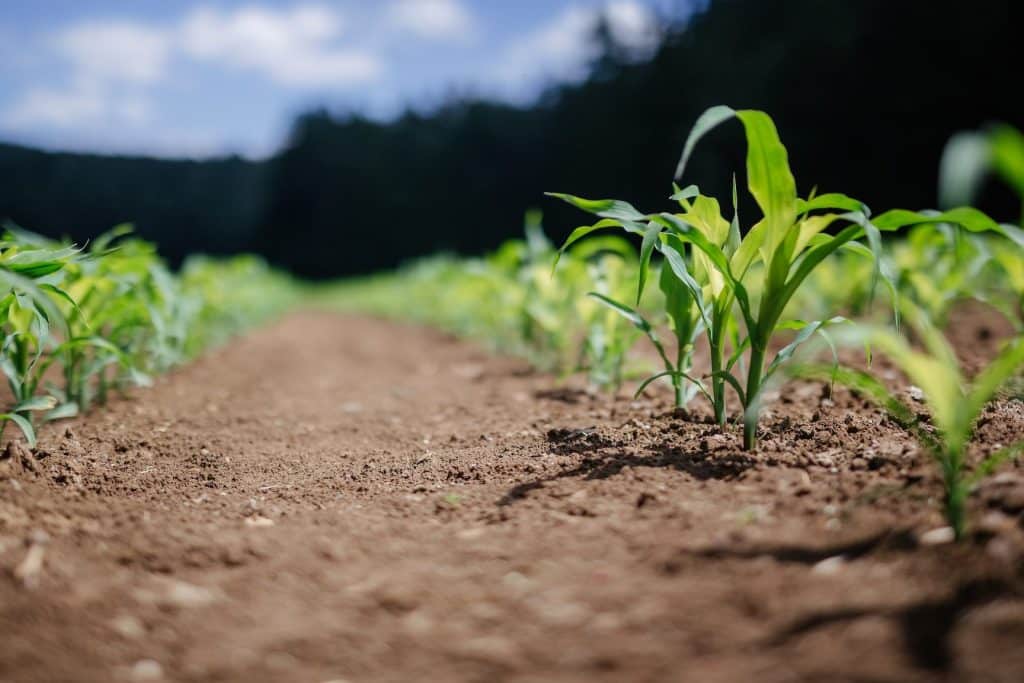
Regenerative agriculture is a holistic approach to farming and land management that aims to regenerate and restore the health of the soil, improve biodiversity, and enhance ecosystem services. It is gaining increasing attention as a sustainable and climate-friendly alternative to conventional agriculture. One of the key benefits of regenerative agriculture is its potential to sequester carbon dioxide from the atmosphere and store it in the soil, thereby helping to mitigate climate change.
In this blog post, we will delve into the concept of regenerative agriculture and explore how it can contribute to carbon sequestration. We will discuss the various practices and techniques involved in regenerative agriculture that promote carbon storage in the soil. Additionally, we will highlight the environmental and economic benefits of adopting regenerative agriculture practices and the potential role it can play in mitigating climate change. So, if you're interested in learning more about the intersection of regenerative agriculture and carbon sequestration, keep reading!
- Regenerative agriculture improves soil health
- It increases carbon sequestration rates
- Cover crops help retain moisture
- Crop rotation reduces pest pressure
- Livestock integration promotes nutrient cycling
- Agroforestry enhances biodiversity and carbon storage
- Conservation tillage reduces soil erosion
- Frequently Asked Questions
Regenerative agriculture improves soil health
Regenerative agriculture is a holistic approach to farming that focuses on improving soil health and increasing biodiversity. By implementing regenerative practices, farmers can restore and rejuvenate degraded land, improve water quality, and reduce carbon emissions.
One of the key benefits of regenerative agriculture is its ability to improve soil health. Through practices such as cover cropping, crop rotation, and the use of organic fertilizers, regenerative farmers are able to increase soil organic matter, enhance soil structure, and improve nutrient cycling. This leads to healthier and more fertile soil, which in turn supports the growth of nutrient-rich crops.
Regenerative agriculture also promotes the use of compost and other organic amendments, which further enhance soil health. These organic materials help to replenish nutrients in the soil, improve its water holding capacity, and increase its ability to sequester carbon.
The role of carbon sequestration in regenerative agriculture
Carbon sequestration is a process by which carbon dioxide (CO2) is captured from the atmosphere and stored in carbon sinks, such as plants, soil, and oceans. It plays a crucial role in mitigating climate change, as it helps to reduce the concentration of greenhouse gases in the atmosphere.
Regenerative agriculture has been found to be an effective strategy for carbon sequestration. By increasing soil organic matter and enhancing soil health, regenerative practices can significantly increase the amount of carbon stored in agricultural soils. This not only helps to reduce greenhouse gas emissions, but also improves soil fertility and resilience to climate change.
- Reducing greenhouse gas emissions: By sequestering carbon in the soil, regenerative agriculture helps to remove CO2 from the atmosphere, thus reducing the greenhouse effect and mitigating climate change.
- Improving soil fertility: The increased carbon content in the soil improves its nutrient availability, water-holding capacity, and overall fertility, leading to higher crop yields and healthier plants.
- Enhancing soil resilience: Carbon-rich soils are more resistant to erosion, nutrient leaching, and drought, making them more resilient to the impacts of climate change.
In conclusion, regenerative agriculture not only improves soil health but also plays a crucial role in carbon sequestration. By implementing regenerative practices, farmers can contribute to mitigating climate change, improving food security, and creating more sustainable agricultural systems.
It increases carbon sequestration rates
Regenerative agriculture is a sustainable farming practice that focuses on improving soil health and biodiversity while reducing environmental impact. One of the key benefits of regenerative agriculture is its ability to increase carbon sequestration rates.
Carbon sequestration refers to the process of capturing and storing carbon dioxide (CO2) from the atmosphere. This is important because CO2 is a greenhouse gas that contributes to climate change. By increasing carbon sequestration rates, regenerative agriculture helps to mitigate climate change by reducing the amount of CO2 in the atmosphere.
There are several ways in which regenerative agriculture enhances carbon sequestration. Firstly, it promotes the use of cover crops, which are planted in between main crops to protect and improve the soil. These cover crops capture CO2 from the atmosphere through photosynthesis and store it in the soil as organic matter.
Additionally, regenerative agriculture practices such as crop rotation and diversified farming systems help to enhance soil health. Healthy soils have higher levels of organic matter, which acts as a carbon sink by storing carbon for long periods of time.
Furthermore, regenerative agriculture emphasizes the importance of reducing or eliminating tillage. Tilling the soil releases stored carbon into the atmosphere as CO2. By minimizing tillage, regenerative farmers can help to prevent carbon loss and maintain higher levels of carbon in the soil.
Overall, regenerative agriculture plays a crucial role in increasing carbon sequestration rates. By implementing practices that improve soil health and promote the capture and storage of carbon, regenerative farmers can contribute to the fight against climate change.
Cover crops help retain moisture
One of the key benefits of using cover crops in regenerative agriculture is their ability to retain moisture in the soil. This is especially important in regions with limited rainfall or during drought periods.
 What is soil health and why is it important for a sustainable world?
Cover crops, also known as green manure, are planted primarily to protect and improve the soil rather than for harvest. They are typically planted during fallow periods or after cash crops have been harvested. When cover crops are grown, they create a living mulch that covers the soil, reducing evaporation and preventing excessive water loss.
By covering the soil, cover crops help to retain moisture, keeping the soil moist for longer periods. This is crucial for supporting healthy plant growth, as it ensures that plants have access to an adequate water supply. Additionally, the retained moisture also helps to reduce the need for irrigation, which can often be energy-intensive and have negative environmental impacts.
Furthermore, cover crops also play a role in enhancing soil structure, which further contributes to moisture retention. The roots of cover crops penetrate deep into the soil, creating channels and pore spaces that allow water to infiltrate and be stored. This improves water infiltration rates and reduces runoff, which can help to prevent soil erosion and nutrient loss.
In summary, the use of cover crops in regenerative agriculture is an effective strategy for retaining moisture in the soil. By covering the soil and improving its structure, cover crops help to reduce water evaporation, retain moisture for longer periods, and promote overall soil health.
Crop rotation reduces pest pressure
Crop rotation is a sustainable farming practice that involves growing different crops in a specific sequence on the same piece of land. This method has been used for centuries and has numerous benefits, including reducing pest pressure.
When the same crop is grown in the same field year after year, it creates a favorable environment for pests and diseases to thrive. However, by rotating crops, farmers can disrupt pest life cycles and reduce the risk of infestations.
Here are a few ways in which crop rotation helps to reduce pest pressure:
1. Breaks Pest Life Cycles
Each crop has specific pests and diseases that are attracted to it. By changing the crop in a field, farmers can interrupt the life cycles of these pests. For example, if a field is planted with corn one year and then rotated with soybeans the next year, any pests that were specific to corn will not be able to find their preferred host and their populations will decline.
2. Reduces Pest Build-Up
Some pests have a preference for certain crops and can build up large populations when those crops are continuously grown. By rotating crops, farmers can prevent pests from building up in high numbers. This reduces the need for pesticides and promotes a healthier balance in the ecosystem.
3. Improves Soil Health
Crop rotation also helps to improve soil health, which indirectly reduces pest pressure. Different crops have different nutrient requirements, and rotating crops helps to prevent nutrient depletion in the soil. Healthy, nutrient-rich soil supports the growth of strong and resilient plants, making them less susceptible to pests and diseases.
In conclusion, crop rotation is an effective strategy for reducing pest pressure in agriculture. By diversifying crops and breaking pest life cycles, farmers can minimize the need for chemical pesticides and promote a more sustainable and resilient farming system.
Livestock integration promotes nutrient cycling
In regenerative agriculture, livestock integration plays a crucial role in promoting nutrient cycling within the ecosystem. By allowing animals to graze on pastures, their natural grazing and dunging behaviors contribute to the recycling of nutrients and the improvement of soil fertility.
When livestock graze on grasses and other plants, they consume the above-ground biomass, stimulating regrowth and promoting carbon sequestration through photosynthesis. This process helps to capture atmospheric carbon dioxide and store it in the form of organic matter in the soil.
Moreover, the dung and urine of animals serve as valuable sources of organic matter and nutrients for the soil. As animals graze, they deposit organic matter through their dung, which acts as a natural fertilizer. This organic matter enhances soil structure and increases its water-holding capacity, leading to improved soil health and fertility.
Additionally, livestock integration can help break pest and disease cycles. Some animals, such as chickens, can consume pests and insects that may harm crops. This natural pest control reduces the need for chemical pesticides, minimizing the negative impacts on the environment and human health.
 The basic principles of permaculture and how they contribute to soil health
Overall, livestock integration in regenerative agriculture systems has multiple benefits, including nutrient cycling, carbon sequestration, and pest control. By allowing animals to play a role in the ecosystem, farmers can enhance soil health, reduce the use of synthetic inputs, and contribute to a more sustainable and resilient agricultural system.
Agroforestry enhances biodiversity and carbon storage
Agroforestry is a sustainable land management system that combines agriculture and forestry practices. It involves the intentional integration of trees and shrubs into agricultural landscapes, bringing numerous benefits to both the environment and the farmers.
One of the key advantages of agroforestry is its ability to enhance biodiversity. By incorporating trees and shrubs into farmland, agroforestry provides habitat and food sources for a wide range of wildlife, including birds, insects, and small mammals. This increased biodiversity helps to create a more balanced and resilient ecosystem, reducing the reliance on harmful pesticides and promoting natural pest control.
Furthermore, agroforestry plays a crucial role in carbon sequestration, which is the process of capturing and storing carbon dioxide from the atmosphere. Trees are known for their ability to absorb carbon dioxide during photosynthesis and store it in their biomass and in the soil. Therefore, by integrating trees into agricultural lands, agroforestry systems can effectively contribute to mitigating climate change by sequestering significant amounts of carbon.
Research has shown that agroforestry can significantly increase carbon storage compared to conventional agricultural practices. The presence of trees in agroforestry systems not only captures and stores carbon but also enhances soil fertility, improves water retention, and reduces soil erosion. All these benefits support sustainable agriculture while contributing to climate change mitigation.
Types of Agroforestry Systems
There are different types of agroforestry systems, each with its own characteristics and benefits:
- Alley cropping: This system involves planting rows of trees or shrubs along with the crops. The trees provide shade, windbreak, and organic matter, while the crops benefit from reduced soil erosion and nutrient cycling.
- Silvopasture: In this system, trees are integrated into pastures or livestock grazing areas. The trees provide shade for animals, improve forage quality, and sequester carbon, while the livestock contribute to nutrient cycling and soil fertility.
- Windbreaks: Windbreaks consist of planting trees or shrubs along the edges of fields to reduce wind speed and protect crops from wind damage. They also provide habitat for beneficial insects and birds.
- Forest farming: This system involves growing agricultural crops under the canopy of existing forest or woodland areas. It allows for the production of both food crops and valuable forest products.
In conclusion, agroforestry is an effective approach to enhance biodiversity and carbon storage in agricultural landscapes. By integrating trees into farming systems, agroforestry provides numerous ecological benefits, such as improved soil fertility, reduced soil erosion, and natural pest control. Additionally, the ability of trees to capture and store carbon makes agroforestry a valuable tool in mitigating climate change and promoting sustainable agriculture.
Conservation tillage reduces soil erosion
Conservation tillage is a key practice in regenerative agriculture that plays a crucial role in reducing soil erosion. By minimizing or eliminating the disturbance of soil through tillage, farmers can help protect the top layer of soil, known as the topsoil, from being washed away by wind or water.
One of the main benefits of conservation tillage is its ability to maintain the structure and integrity of the soil. When the soil is left undisturbed, it allows for the formation of stable aggregates, which are clumps of soil particles that are bound together. These aggregates help create pore spaces in the soil, which allow for better water infiltration and retention.
Another advantage of conservation tillage is its contribution to carbon sequestration. When the soil is disturbed through conventional tillage practices, it releases carbon dioxide (CO2) into the atmosphere. However, by reducing or eliminating tillage, farmers can help keep the carbon stored in the soil. This reduces greenhouse gas emissions and helps mitigate climate change.
Furthermore, conservation tillage has been shown to improve soil health. By preserving the soil structure and organic matter content, it promotes the growth of beneficial soil organisms, such as earthworms and microbes. These organisms play a vital role in nutrient cycling, soil aeration, and overall soil fertility.
There are different types of conservation tillage practices, including no-till, strip-till, and reduced tillage. No-till involves planting crops directly into untilled soil, while strip-till involves tilling only a narrow strip where the seeds will be planted. Reduced tillage, on the other hand, involves minimizing the number of tillage operations and using shallower tillage depths.
In conclusion, conservation tillage is an essential practice in regenerative agriculture that helps reduce soil erosion, contributes to carbon sequestration, and improves soil health. By implementing these practices, farmers can play a significant role in sustainable land management and environmental stewardship.
Frequently Asked Questions
1. What is regenerative agriculture?
Regenerative agriculture is a holistic approach to farming that focuses on improving soil health and biodiversity.
2. How does regenerative agriculture sequester carbon?
Regenerative agriculture practices, such as cover cropping and rotational grazing, help increase soil organic matter, which leads to carbon sequestration.
 Exploring natural methods to control pests and diseases in the garden
3. What are the benefits of regenerative agriculture?
Regenerative agriculture promotes soil health, enhances ecosystem resilience, improves water quality, and can mitigate climate change.
4. Can regenerative agriculture be applied to all types of farming?
Yes, regenerative agriculture principles can be applied to various farming systems, including crop production, livestock farming, and agroforestry.
Deja una respuesta
Entradas relacionadas: