
The environmental impact of food waste and the need for preservation

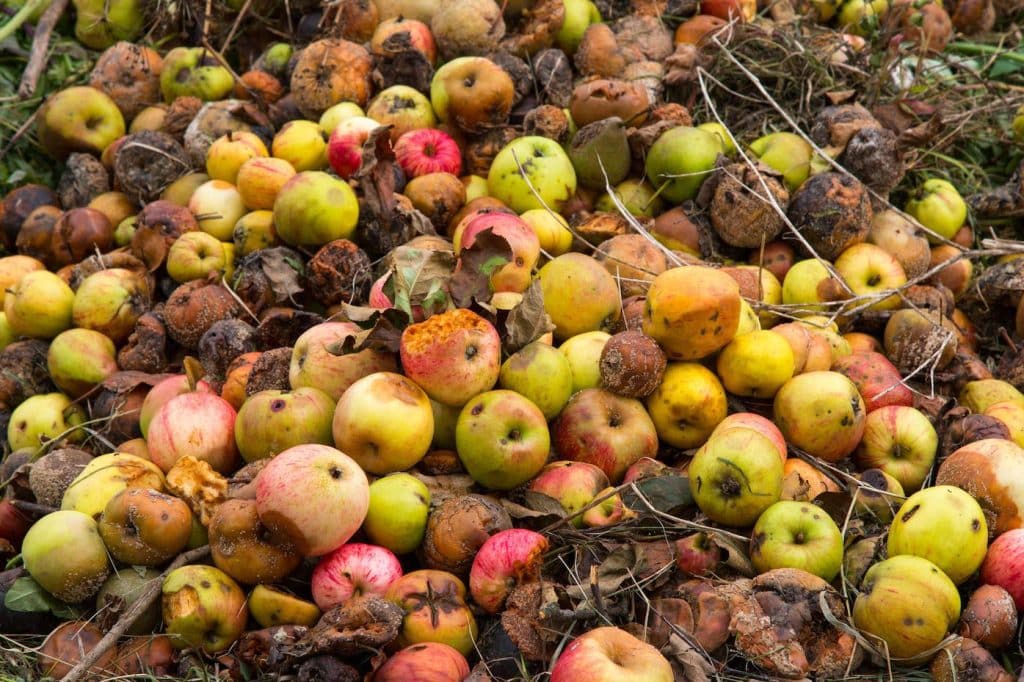
Food waste has become a critical issue in today's society, with significant environmental implications. According to the Food and Agriculture Organization of the United Nations (FAO), approximately one-third of all food produced for human consumption is wasted globally. This wastage not only has economic and social consequences but also contributes to environmental degradation and climate change.
In this blog post, we will explore the environmental impact of food waste and the urgent need for preservation. We will delve into the various ways in which food waste affects our planet, including the depletion of natural resources, greenhouse gas emissions, and the loss of biodiversity. Additionally, we will discuss the importance of implementing strategies and initiatives to minimize food waste and promote sustainable consumption patterns. By understanding the gravity of the situation and taking action, we can work towards a more sustainable and environmentally-conscious future.
- Reduce food waste through composting
- Implement sustainable packaging solutions
- Encourage responsible consumer behavior
- Support local food production
- Educate on proper food storage
- Educate on proper food storage.
- Promote community food sharing programs
- Invest in innovative food preservation technologies
- Frequently Asked Questions
Reduce food waste through composting
Composting is a simple and effective way to reduce food waste and contribute to environmental preservation. By composting, we can divert organic waste from landfills, where it would emit harmful greenhouse gases as it decomposes.
Composting involves the natural decomposition of organic materials, such as food scraps, yard waste, and other biodegradable items. This process converts these materials into nutrient-rich compost that can be used to enrich soil and support plant growth.
Benefits of composting:
- Reduces methane emissions: When food waste breaks down in landfills, it produces methane, a potent greenhouse gas that contributes to climate change. Composting diverts this waste from landfills, reducing methane emissions and their environmental impact.
- Improves soil health: Compost is a natural fertilizer that enriches soil with essential nutrients, organic matter, and beneficial microorganisms. It enhances soil structure, water retention, and nutrient availability, promoting healthier and more productive plants.
- Reduces the need for synthetic fertilizers: By using compost, we can reduce our reliance on synthetic fertilizers, which often contain harmful chemicals that can pollute waterways and harm ecosystems. Composting provides a sustainable alternative for soil enrichment.
- Conserves water: Compost improves soil's ability to retain water, reducing the need for irrigation and conserving water resources.
- Encourages sustainable gardening: Composting creates a closed-loop system where organic waste is recycled and used to support plant growth. It encourages sustainable gardening practices and reduces the reliance on external inputs.
Getting started with composting is relatively easy. You can set up a compost bin in your backyard or use a composting system specifically designed for indoor use. Remember to include a mix of "green" (nitrogen-rich) and "brown" (carbon-rich) materials in your compost, such as fruit and vegetable scraps, leaves, grass clippings, and coffee grounds.
By composting our food waste, we can make a significant positive impact on the environment and contribute to a more sustainable future.
Implement sustainable packaging solutions
One of the key ways to address the environmental impact of food waste is to implement sustainable packaging solutions. The packaging industry plays a significant role in food preservation and reducing waste. By adopting eco-friendly packaging alternatives, we can minimize the negative impact on the environment and promote a more sustainable future.
1. Biodegradable and compostable packaging: Instead of using traditional plastic packaging, opt for biodegradable and compostable materials. These types of packaging break down naturally over time and do not contribute to plastic pollution. They can be disposed of in compost bins or industrial composting facilities.
2. Recyclable packaging: Choose packaging materials that can be easily recycled. This includes paper, cardboard, and certain types of plastics that are widely accepted in recycling programs. By using recyclable packaging, we can reduce the amount of waste that ends up in landfills and oceans.
3. Minimalist packaging: Excessive packaging not only contributes to waste but also consumes unnecessary resources in its production. Opt for minimalist packaging designs that use the least amount of materials possible while still ensuring product safety and integrity.
4. Reusable packaging: Consider implementing reusable packaging solutions, such as glass jars or refillable containers. This approach encourages customers to return the packaging after use, reducing the need for single-use packaging and promoting a circular economy.
5. Education and labeling: It is crucial to educate consumers about the importance of sustainable packaging and provide clear labeling on packaging materials. This will help consumers make informed choices and actively support brands that prioritize environmentally friendly packaging.
By implementing sustainable packaging solutions, we can significantly reduce the environmental impact of food waste. It is essential for businesses and consumers alike to prioritize the use of eco-friendly packaging materials and contribute to a more sustainable and greener future.
Encourage responsible consumer behavior
Encouraging responsible consumer behavior is crucial in addressing the environmental impact of food waste and the need for preservation. By making conscious choices and adopting sustainable practices, individuals can contribute to reducing food waste and its negative consequences on the environment.
 What is soil health and why is it important for a sustainable world?
One way to encourage responsible consumer behavior is by promoting mindful shopping habits. This includes planning meals in advance, making a grocery list, and only purchasing the necessary items. By doing so, individuals can minimize the likelihood of food waste by buying only what they need.
Another important aspect is educating consumers about proper food storage and preservation techniques. Providing information on how to store different types of food, such as fruits, vegetables, grains, and meats, can help extend their shelf life and prevent them from spoiling prematurely.
In addition, raising awareness about the environmental impact of food waste can play a key role in encouraging responsible consumer behavior. Highlighting the consequences of food waste, such as greenhouse gas emissions and land degradation, can motivate individuals to make more sustainable choices in their daily lives.
Furthermore, supporting initiatives that promote food preservation can also contribute to responsible consumer behavior. This can include advocating for community gardens, supporting local farmers, and participating in food preservation workshops or classes.
Overall, encouraging responsible consumer behavior is essential in addressing the environmental impact of food waste and the need for preservation. By promoting mindful shopping habits, educating consumers about food storage and preservation, raising awareness, and supporting relevant initiatives, individuals can make a positive impact on the environment and work towards a more sustainable future.
Support local food production
Supporting local food production is crucial for reducing the environmental impact of food waste and promoting preservation. By purchasing locally grown and produced food, you can help minimize the carbon footprint associated with long-distance transportation.
When you buy food from local farmers and producers, you are supporting sustainable farming practices that prioritize soil health, water conservation, and biodiversity. This contributes to the overall preservation of the environment by reducing the need for synthetic fertilizers, pesticides, and excessive water usage.
Furthermore, supporting local food production helps to create a more resilient and self-sufficient food system. By reducing our reliance on imported food, we can mitigate the risks associated with disruptions in global supply chains and ensure a more stable food supply for our communities.
Benefits of supporting local food production:
- Reduced carbon footprint
- Promotion of sustainable farming practices
- Conservation of soil health and water resources
- Preservation of biodiversity
- Enhanced food security and resilience
- Support for local economy and farmers
By actively choosing to support local food production, you are not only making a positive impact on the environment but also contributing to the preservation of our natural resources and the well-being of your community. So, next time you go grocery shopping, consider buying from local farmers and producers to help create a more sustainable and resilient food system.
Educate on proper food storage
Educate on proper food storage.
One of the key factors contributing to food waste is improper food storage. Many people are unaware of the correct methods to store food, which leads to premature spoilage and waste. By educating individuals on proper food storage techniques, we can significantly reduce the amount of food that goes to waste.
Here are some important tips for proper food storage:
- Refrigerate perishable foods promptly: It is crucial to refrigerate perishable foods like meat, dairy products, and certain fruits and vegetables as soon as possible. Keeping them at the right temperature slows down the growth of bacteria and helps maintain their freshness.
- Use airtight containers: When storing leftovers or pre-cut fruits and vegetables, ensure they are stored in airtight containers or wrapped tightly in plastic wrap or foil. This helps to prevent air exposure, which can accelerate spoilage.
- Label and organize: Properly labeling and organizing your fridge and pantry can help you keep track of food items and prevent them from getting forgotten and going bad. This way, you can easily see what needs to be used up first and reduce the chances of food going to waste.
- Freeze excess food: If you have excess food that you won't be able to consume before it spoils, consider freezing it. Freezing can significantly extend the shelf life of many foods, allowing you to preserve their freshness for a longer period.
By following these simple tips, we can minimize food waste and ensure that the food we have is utilized to its fullest potential. Proper food storage is not only beneficial for reducing waste, but it also helps us save money and protect the environment.
Promote community food sharing programs
Community food sharing programs are an effective way to address the environmental impact of food waste and promote food preservation. These programs aim to redistribute excess food from individuals, businesses, and organizations to those in need, reducing both food waste and food insecurity.
One type of community food sharing program is a food recovery program, which involves collecting surplus food from grocery stores, restaurants, and other sources that would otherwise go to waste. This food is then distributed to local food banks, shelters, and community organizations.
 The basic principles of permaculture and how they contribute to soil health
Another type of program is community gardens, where individuals and families can grow their own food and share the surplus with others. Community gardens not only promote food preservation but also help to build a sense of community and provide access to fresh and nutritious produce.
Benefits of community food sharing programs
There are several benefits associated with community food sharing programs:
- Reduces food waste: By redistributing excess food, these programs help to prevent it from ending up in landfills, where it would produce harmful greenhouse gases.
- Addresses food insecurity: Community food sharing programs ensure that nutritious food reaches those who need it the most, reducing food insecurity within the community.
- Builds community: These programs foster social connections and a sense of belonging as people come together to share and support one another.
- Promotes sustainability: By reducing food waste, community food sharing programs contribute to a more sustainable and resource-efficient food system.
To promote community food sharing programs, it is important to raise awareness about their benefits and encourage individuals, businesses, and organizations to participate. This can be done through social media campaigns, educational workshops, and collaborations with local community groups.
Overall, community food sharing programs play a crucial role in minimizing the environmental impact of food waste and promoting the need for food preservation. By working together, we can create a more sustainable and equitable food system for future generations.
Invest in innovative food preservation technologies
Investing in innovative food preservation technologies is crucial in addressing the environmental impact of food waste. These technologies aim to extend the shelf life of food products, reducing the amount of food that goes to waste.
One such technology is modified atmosphere packaging (MAP), which involves altering the composition of the air surrounding food products to slow down the growth of spoilage-causing microorganisms. This method helps to maintain the quality and freshness of perishable foods for a longer period.
Another effective preservation technique is high-pressure processing (HPP). HPP involves subjecting packaged food products to high levels of hydrostatic pressure, which inactivates harmful bacteria and enzymes. This method helps to maintain the nutritional value and flavor of foods without the need for preservatives.
Vacuum packaging is another widely used preservation method. This technique involves removing air from the packaging to create a vacuum, which helps to prevent the growth of spoilage-causing microorganisms and slows down the oxidation process. Vacuum packaging can significantly extend the shelf life of various food products.
Furthermore, freeze-drying is a preservation method that involves removing water from food products through sublimation. This process helps to preserve the taste, texture, and nutritional value of foods while significantly extending their shelf life. Freeze-dried foods are lightweight, making them suitable for long-term storage and transportation.
In addition to investing in these innovative food preservation technologies, it is also essential to promote proper food storage practices at the consumer level. Educating individuals on the proper handling, storage, and utilization of food can help reduce waste and increase the lifespan of perishable items.
By investing in innovative food preservation technologies and adopting proper storage practices, we can significantly reduce the environmental impact of food waste. These efforts contribute to a more sustainable and efficient food system, benefiting both the environment and society as a whole.
Frequently Asked Questions
1. What is the environmental impact of food waste?
Food waste contributes to greenhouse gas emissions and wasteful use of resources.
2. Why is it important to preserve food?
Food preservation helps reduce waste, save resources, and ensure food security.
3. How can food waste be reduced?
By practicing mindful shopping, proper storage, and composting food scraps.
 Exploring natural methods to control pests and diseases in the garden
4. What are some effective food preservation methods?
Canning, freezing, drying, and pickling are popular methods for food preservation.
Deja una respuesta
Entradas relacionadas: