
How to design and plan your own food forest garden

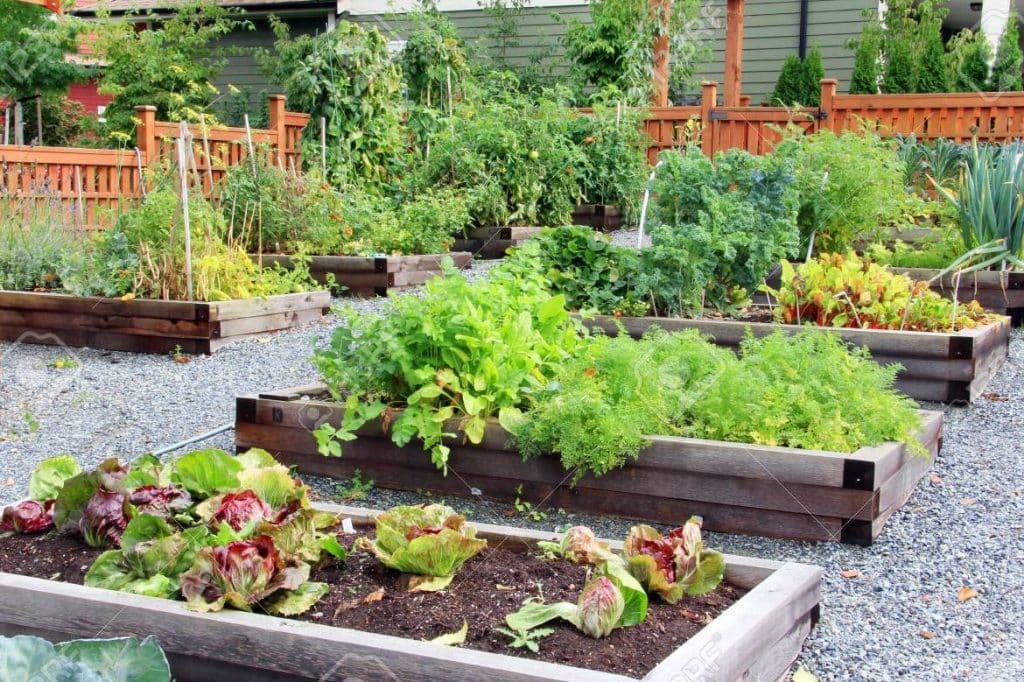
Food forests are a sustainable and self-sufficient way of growing food that mimic the structure and function of natural forests. By combining different layers of plants, such as tall trees, shrubs, and groundcovers, together with edible crops, food forests create a diverse and resilient ecosystem that can provide a wide range of fruits, vegetables, herbs, and nuts. Designing and planning your own food forest garden can be a rewarding and fulfilling experience, allowing you to create a beautiful and productive space that supports biodiversity and reduces your ecological footprint.
In this blog post, we will explore the key steps to design and plan your own food forest garden. We will discuss how to choose the right location for your garden, select suitable plants for each layer, create a diverse and balanced ecosystem, and ensure long-term maintenance and sustainability. Whether you have a large backyard or a small urban balcony, the principles of food forest design can be applied to any scale, making it accessible to everyone who wants to grow their own food in a sustainable way. So let's dive in and discover the secrets of designing your own food forest garden!
- Research different food forest designs
- Determine your space and resources
- Choose suitable fruit and nut trees
- Incorporate perennials and groundcover plants
- Include a variety of beneficial insects
- Implement water conservation techniques
- Implement water conservation techniques
- Regularly maintain and manage your garden
- Frequently Asked Questions
Research different food forest designs
When designing and planning your own food forest garden, it's important to do thorough research on different food forest designs. This will help you understand the principles and concepts behind food forests and give you a solid foundation to build upon.
Here are some key steps to consider:
1. Understand the basic principles of a food forest
A food forest is a type of garden that mimics the structure and function of a natural forest ecosystem. It consists of multiple layers of edible plants, including trees, shrubs, herbs, and groundcovers, arranged in a way that creates a self-sustaining and diverse ecosystem.
Key principles of a food forest include:
- Layering: Plants are organized into different vertical layers, such as canopy, understory, and groundcover.
- Diversity: A wide variety of plants are grown to create a balanced and resilient ecosystem.
- Functional relationships: Plants are chosen and arranged based on their beneficial interactions, such as nitrogen fixation or pest control.
- Permaculture principles: Food forests often incorporate permaculture principles, such as using natural resources efficiently and promoting biodiversity.
2. Explore different food forest designs
There are various food forest designs to choose from, each with its own advantages and considerations. Some popular designs include:
- Canopy-focused design: This design emphasizes the use of tall fruit or nut trees as the main focus of the food forest, with smaller plants underneath.
- Understory-focused design: This design puts more emphasis on the understory layer, with smaller fruiting trees and shrubs as the main focus.
- Successional design: This design creates a food forest that evolves and changes over time, with different plants taking over as others reach maturity.
- Guild design: This design focuses on creating plant guilds, which are groups of plants that support and complement each other's growth.
It's important to explore and evaluate different designs to find one that suits your specific goals, climate, available space, and resources.
3. Learn from existing food forests
Take the time to visit and learn from existing food forests in your area or in similar climates. This will give you valuable insights into what works well and what challenges to anticipate.
Observe how different plants interact and thrive together, and take note of any design elements or techniques that you find inspiring.
Remember, designing and planning your own food forest garden is an ongoing process, so stay open to learning and adapting as you gain more knowledge and experience.
Determine your space and resources
When designing and planning your own food forest garden, it is important to start by determining the space and resources available to you. This will help you make informed decisions and create a garden that is suitable for your specific needs and circumstances.
Assess the available space
Begin by assessing the size and layout of your outdoor space. Consider factors such as the amount of sunlight it receives, the presence of any existing structures or trees, and the overall dimensions of the area. This will give you a clear idea of the available space for your food forest garden.
Evaluate the resources
Next, evaluate the resources you have at your disposal. This includes not only the physical resources such as tools, water sources, and materials, but also the time and energy you are willing to invest in the project. Understanding your available resources will help you plan and design a garden that is realistic and achievable.
Consider your goals and needs
Before moving forward, take some time to consider your goals and needs for the food forest garden. Are you looking to grow a wide variety of fruits and vegetables? Are you interested in creating a self-sustaining ecosystem? Are you aiming for beauty and aesthetics as well? By identifying your goals and needs, you can design a garden that aligns with your vision.
Plan the layout
Once you have assessed the space, evaluated the resources, and defined your goals and needs, it's time to plan the layout of your food forest garden. Consider factors such as the placement of different plant species, the arrangement of pathways and seating areas, and any additional features you want to incorporate, such as a composting area or a rainwater harvesting system.
Start small and scale up
When starting your food forest garden, it's important to remember that it can be an ongoing process. Start small and gradually scale up as you gain experience and confidence. This will allow you to learn from your successes and challenges along the way, and make adjustments to your design as needed.
In conclusion, designing and planning your own food forest garden requires careful consideration of your space and resources. By assessing the available space, evaluating your resources, considering your goals and needs, and planning the layout, you can create a thriving and sustainable garden that meets your specific requirements.
 Composting troubleshooting: common issues and how to solve them
Choose suitable fruit and nut trees
When designing and planning your own food forest garden, one of the first and most important steps is to choose suitable fruit and nut trees.
Consider the climate and soil conditions: Before selecting the trees, it is crucial to assess the climate and soil conditions of your garden. Different trees thrive in different climates and soil types, so make sure to choose varieties that are well-suited to your specific conditions.
Research tree varieties: There are numerous varieties of fruit and nut trees available, each with its own characteristics and requirements. Take the time to research different varieties and select those that are suitable for your garden size, soil type, and climate.
Determine the space available: Consider the size and spacing requirements of the trees you are interested in. Some trees may require more space to grow and spread their branches, while others can be planted closer together. Plan accordingly to ensure that each tree has enough space to thrive.
Consider pollination requirements: Some fruit trees require cross-pollination with another compatible tree in order to produce fruit. Make sure to choose varieties that can pollinate each other, or consider planting a self-pollinating variety if space is limited.
Think about seasonal variations: When selecting fruit and nut trees, think about the different seasons and the availability of fresh produce throughout the year. Choose a mix of trees that will provide a continuous harvest, ensuring that you can enjoy fresh fruits and nuts from your garden year-round.
Consider maintenance requirements: Different tree varieties have different maintenance requirements. Some may require regular pruning, while others may need specific soil amendments or pest control measures. Take these factors into account when selecting your trees to ensure that you can provide the necessary care for them.
By taking the time to choose suitable fruit and nut trees, you are setting a solid foundation for your food forest garden. With careful planning and consideration, you can create a diverse and abundant garden that will provide you with fresh, homegrown produce for years to come.
Incorporate perennials and groundcover plants
When designing and planning your own food forest garden, it is important to incorporate perennials and groundcover plants. These types of plants play a crucial role in the overall health and productivity of your garden.
Perennials
Perennials are plants that live for more than two years. They often have deep root systems, which help improve soil structure and prevent erosion. In a food forest garden, perennials provide a stable and long-lasting source of food and habitat for beneficial insects and wildlife.
- Choose fruit trees: Incorporate fruit trees such as apple, pear, cherry, or plum. These trees not only provide delicious fruits but also offer shade and vertical structure to your garden.
- Include berry bushes: Plant berry bushes like raspberry, blueberry, or blackberry. They are not only nutritious but also attract pollinators and birds.
- Consider perennial vegetables: Include perennial vegetables such as asparagus, rhubarb, or artichokes. These vegetables require less maintenance and provide a continuous harvest year after year.
Groundcover Plants
Groundcover plants are low-growing plants that cover the soil surface. They help suppress weeds, conserve soil moisture, and provide a protective layer for the soil ecosystem. In a food forest garden, groundcover plants offer numerous benefits:
- Use nitrogen-fixing plants: Nitrogen-fixing groundcover plants like clover or vetch can improve soil fertility by capturing atmospheric nitrogen and converting it into a usable form for other plants.
- Consider edible groundcovers: Plant edible groundcovers like strawberries or creeping thyme. They not only add beauty to your garden but also provide a tasty and nutritious groundcover for walkways or between larger plants.
- Include beneficial herbs: Incorporate herbs such as comfrey or chamomile. These herbs attract beneficial insects, improve soil health, and can be used for culinary or medicinal purposes.
By incorporating perennials and groundcover plants in your food forest garden, you create a diverse and resilient ecosystem that produces abundant and sustainable food while minimizing maintenance and inputs.
Include a variety of beneficial insects
When designing and planning your own food forest garden, it is important to include a variety of beneficial insects. These insects play a crucial role in maintaining a healthy ecosystem and can help control pests naturally, reducing the need for harmful pesticides.
One way to attract beneficial insects is by planting a diverse range of flowering plants. These plants provide nectar and pollen, which serve as essential food sources for beneficial insects such as bees, butterflies, and ladybugs. Consider including plants like lavender, sunflowers, and coneflowers in your food forest garden.
In addition to flowering plants, you can also create habitats for beneficial insects by incorporating features such as insect hotels or bug houses. These structures provide shelter and nesting sites for a variety of beneficial insects, including solitary bees and predatory wasps.
Another important aspect to consider is avoiding the use of synthetic pesticides, as these can harm both pest and beneficial insect populations. Instead, opt for organic pest control methods, such as companion planting or introducing beneficial insects like ladybugs or praying mantises.
By including a variety of beneficial insects in your food forest garden, you are not only enhancing the biodiversity of your space but also promoting a natural and balanced ecosystem. This will ultimately lead to healthier plants and a more sustainable garden.
Implement water conservation techniques
Implement water conservation techniques
When designing and planning your own food forest garden, it is crucial to consider water conservation techniques. These strategies will not only help you save water but also ensure the long-term sustainability of your garden. Here are some effective techniques to implement:
 Composting methods: traditional vs. vermicomposting
1. Mulching
Mulching is a simple yet effective method to conserve water in your food forest garden. By covering the soil with a layer of organic materials such as wood chips, straw, or leaves, you can reduce evaporation and keep the soil moist for longer periods. Mulching also helps suppress weed growth and improves soil fertility.
2. Drip Irrigation
Instead of using traditional sprinklers or hoses, consider installing a drip irrigation system in your food forest garden. Drip irrigation delivers water directly to the roots of plants, minimizing water waste through evaporation or runoff. This method is more efficient and allows you to target specific areas that need watering.
3. Rainwater Harvesting
Take advantage of rainwater by setting up a rainwater harvesting system. Install rain barrels or cisterns to collect rainwater from your roof or other surfaces. This water can then be used to irrigate your food forest garden during dry spells, reducing your reliance on municipal water sources.
4. Companion Planting
Companion planting is a technique that involves planting certain plants together to create mutually beneficial relationships. Some plants have deep roots that help break up compacted soil, allowing better water penetration. Others act as natural mulch, shading the soil and reducing water loss. By selecting companion plants wisely, you can optimize water usage in your food forest garden.
5. Proper Watering Schedule
Establishing a proper watering schedule is essential for water conservation. Water your food forest garden during the early morning or late evening when evaporation rates are lower. Avoid watering during the hottest part of the day to minimize water loss due to evaporation. Additionally, regularly monitor soil moisture levels to ensure plants receive adequate hydration without overwatering.
By implementing these water conservation techniques in your food forest garden, you can create a sustainable and thriving ecosystem while minimizing water usage. Remember, water is a precious resource, and every drop counts!
Regularly maintain and manage your garden
Maintaining and managing your food forest garden is crucial for its success and productivity. Here are some important steps to follow:
1. Pruning and Trimming
Regular pruning and trimming of your plants and trees is essential to promote healthy growth and maintain the desired shape. Remove any dead or diseased branches, and thin out crowded areas to allow better air circulation and sunlight penetration.
2. Weeding
Keeping your garden free from weeds is important to prevent competition for nutrients and water. Regularly inspect your garden and pull out any unwanted weeds by hand or use natural weed control methods to minimize the use of chemicals.
3. Watering
Proper watering is crucial for the health of your plants. Monitor the moisture level of the soil and provide adequate water as needed. Consider using drip irrigation systems or rainwater harvesting techniques to conserve water and ensure efficient watering.
4. Mulching
Mulching helps retain moisture in the soil, suppresses weed growth, and improves soil fertility. Apply a layer of organic mulch, such as wood chips or straw, around your plants to protect the roots, regulate soil temperature, and enhance overall plant health.
5. Pest and Disease Control
Regularly inspect your plants for any signs of pests or diseases. Implement integrated pest management techniques, such as attracting beneficial insects, using organic pesticides when necessary, and practicing proper sanitation measures to minimize the impact of pests and diseases on your garden.
6. Harvesting and Pruning
Regularly harvest the ripe fruits, vegetables, and herbs from your food forest garden. This not only ensures that you enjoy the fruits of your labor but also encourages the plants to continue producing. Additionally, pruning certain plants after harvesting can help stimulate new growth and maintain their overall health.
By following these maintenance and management practices, you can ensure the long-term success and productivity of your food forest garden.
Frequently Asked Questions
1. What is a food forest garden?
A food forest garden is a sustainable and self-sufficient garden that mimics the structure and function of a natural forest ecosystem.
2. How do I design a food forest garden?
To design a food forest garden, you need to consider the different layers of vegetation, choose a variety of plants, and plan for a diverse and balanced ecosystem.
3. What are the benefits of a food forest garden?
A food forest garden provides numerous benefits, including increased biodiversity, improved soil health, reduced water and fertilizer requirements, and a continuous supply of fresh and nutritious food.
4. How long does it take for a food forest garden to establish?
The establishment of a food forest garden can vary depending on various factors such as climate, soil conditions, and the size of the garden, but it generally takes several years for the ecosystem to fully develop and become self-sustaining.
 Using compost in the garden: how to enrich your soil naturally
Deja una respuesta
Entradas relacionadas: