
The benefits of incorporating permaculture in urban environments

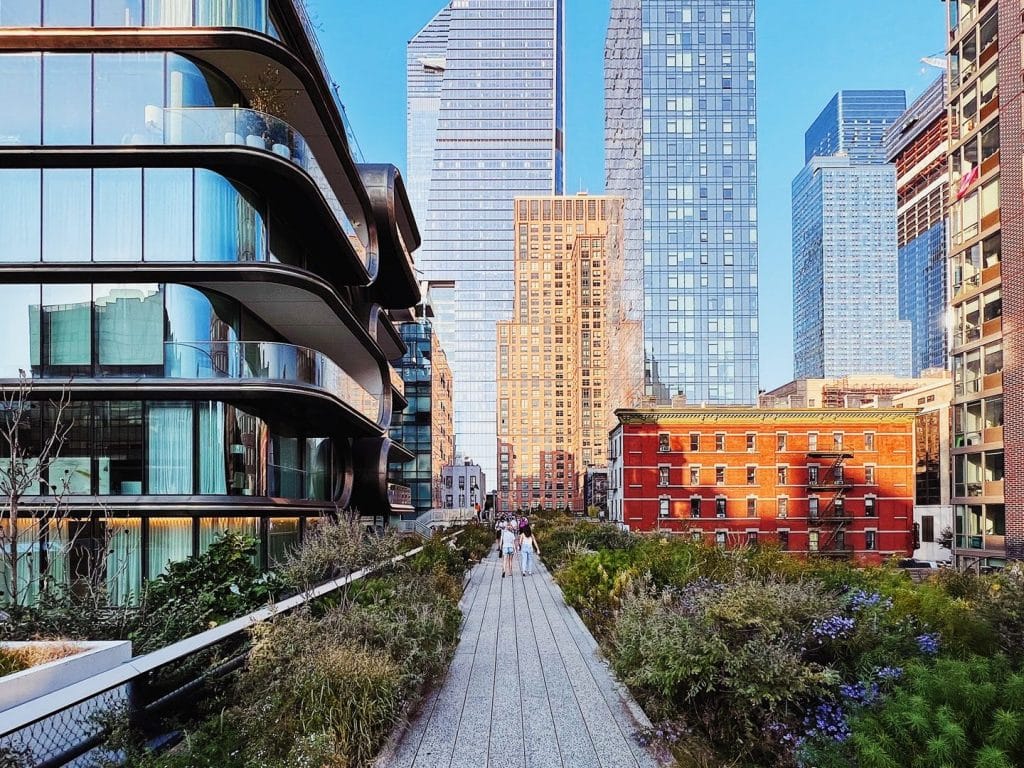
With the increasing urbanization and population growth, cities are facing numerous challenges in terms of sustainability, food production, and environmental degradation. However, one solution that is gaining popularity is the incorporation of permaculture in urban environments. Permaculture is a holistic approach to designing and managing sustainable and self-sufficient systems that mimic natural ecosystems. By integrating permaculture principles and practices into urban areas, cities can not only become more resilient and sustainable but also provide numerous benefits to residents.
In this blog post, we will explore the benefits of incorporating permaculture in urban environments. Firstly, permaculture promotes food security by creating urban food forests and community gardens. These spaces not only provide fresh and nutritious food for residents but also foster community engagement and connection. Additionally, permaculture practices such as water harvesting and composting help conserve resources and reduce waste in urban areas. Furthermore, by incorporating green infrastructure such as rooftop gardens and vertical farming, permaculture can contribute to mitigating the urban heat island effect and improving air quality. Overall, incorporating permaculture in urban environments can lead to healthier, more sustainable, and resilient cities.
- Increased food self-sufficiency
- Reduced reliance on external resources
- Improved soil and water management
- Enhanced biodiversity and ecosystem resilience
- Lower carbon footprint and greenhouse gas emissions
- Strengthened community connections and social cohesion
- Creation of beautiful and productive urban spaces
- Frequently Asked Questions
Increased food self-sufficiency
Permaculture is a sustainable approach to agriculture and living that focuses on designing systems that are self-sufficient and in harmony with nature. When it comes to urban environments, incorporating permaculture principles can have numerous benefits, one of which is increased food self-sufficiency.
By implementing permaculture techniques such as vertical gardening, rooftop gardens, and community gardens, urban areas can produce a significant amount of their own food. This reduces reliance on traditional agricultural systems, which often require long-distance transportation and can be vulnerable to disruptions in the supply chain.
Furthermore, permaculture encourages the use of organic and regenerative practices, such as composting and natural pest control, which can improve the quality and nutritional value of the food grown. Urban residents who incorporate permaculture into their lives have the opportunity to enjoy fresh, healthy produce right at their doorstep.
Additionally, growing food in urban environments can also foster a sense of community. Community gardens, for example, provide a space for people from diverse backgrounds to come together, share knowledge, and work towards a common goal. This can strengthen social connections and create a sense of belonging in urban neighborhoods.
In conclusion, incorporating permaculture in urban environments can lead to increased food self-sufficiency. By implementing sustainable gardening practices, urban areas can produce their own food, reduce dependence on traditional agriculture, and foster a sense of community. Permaculture offers a way to create more resilient and sustainable cities, benefiting both individuals and the environment.
Reduced reliance on external resources
When incorporating permaculture in urban environments, one of the significant benefits is the reduced reliance on external resources. This approach focuses on creating self-sustaining systems that minimize the need for inputs such as water, energy, and food from outside sources.
By implementing techniques like rainwater harvesting, composting, and organic gardening, urban permaculture systems can maximize the use of available resources within the city. This leads to a decreased dependence on municipal water supplies, fossil fuels, and industrial agriculture.
Furthermore, permaculture encourages the use of renewable energy sources such as solar power and wind turbines, reducing the reliance on non-renewable energy and contributing to a more sustainable urban environment.
By reducing the need for external resources, urban permaculture not only promotes self-sufficiency but also helps to minimize the ecological footprint of cities and contribute to a more resilient and sustainable future.
Improved soil and water management
One of the key benefits of incorporating permaculture in urban environments is improved soil and water management. By implementing permaculture principles, such as composting, mulching, and rainwater harvesting, urban areas can greatly enhance their soil quality and water availability.
Composting is a natural process of decomposing organic matter, such as food scraps and yard waste, into nutrient-rich soil. By composting in urban environments, residents can reduce waste sent to landfills and create their own soil amendment. This not only improves the fertility of the soil but also reduces the need for chemical fertilizers.
Mulching, on the other hand, involves covering the soil surface with a layer of organic materials, such as wood chips or straw. This helps to retain moisture in the soil, suppress weed growth, and regulate soil temperature. By using mulch in urban gardens and green spaces, water can be conserved and the need for irrigation can be reduced.
 Native Plants and Animals: A Key to Sustainable Landscaping
Rainwater harvesting is another important practice in permaculture. It involves collecting and storing rainwater for later use. This can be done through the use of rain barrels, cisterns, or even by redirecting rainwater into swales or ponds. By capturing rainwater in urban environments, water resources can be conserved, and the reliance on municipal water supplies can be decreased.
All these practices contribute to improved soil and water management in urban areas. They help to create healthier, more resilient ecosystems that can better withstand droughts, floods, and other environmental challenges. Incorporating permaculture in urban environments not only benefits the local ecosystem but also provides individuals with a sustainable and self-sufficient way of living.
Enhanced biodiversity and ecosystem resilience
One of the key benefits of incorporating permaculture in urban environments is the enhanced biodiversity and ecosystem resilience it promotes.
Traditional urban landscapes often lack diversity in plant and animal species, leading to a loss of biodiversity and a decrease in ecosystem resilience. However, by implementing permaculture principles and practices, urban areas can become thriving ecosystems that support a wide range of plants, animals, and insects.
Increased plant diversity
Permaculture encourages the planting of a variety of native and edible plants, which not only beautify the urban landscape but also provide habitat and food sources for birds, bees, butterflies, and other beneficial insects. This increased plant diversity helps to attract and support a wider range of wildlife, creating a more balanced and resilient urban ecosystem.
Improved soil health
Permaculture emphasizes the use of organic and regenerative farming practices, such as composting, mulching, and cover cropping. These practices help improve soil health by increasing its fertility, structure, and water-holding capacity. Healthy soil is essential for supporting plant growth and encouraging the proliferation of beneficial soil organisms, including earthworms and microorganisms.
Reduction of chemical inputs
Incorporating permaculture in urban environments reduces the need for chemical inputs, such as synthetic fertilizers and pesticides. Instead, permaculture focuses on natural and sustainable methods, such as companion planting, crop rotation, and biological pest control. This not only helps to protect the environment and human health but also contributes to the overall resilience of the urban ecosystem.
Water conservation
Permaculture design includes strategies for conserving and efficiently using water resources. Techniques such as rainwater harvesting, swales, and drip irrigation systems help to capture and store rainwater, reducing the reliance on municipal water supplies. By minimizing water waste and promoting water efficiency, permaculture in urban environments contributes to the overall sustainability of the city.
In conclusion, incorporating permaculture in urban environments offers numerous benefits, including enhanced biodiversity, improved soil health, reduction of chemical inputs, and water conservation. By implementing permaculture principles and practices, cities can transform into sustainable and resilient ecosystems that support both human and natural well-being.
Lower carbon footprint and greenhouse gas emissions
One of the major benefits of incorporating permaculture in urban environments is the significant reduction in carbon footprint and greenhouse gas emissions. Traditional urban environments, with their reliance on fossil fuels and industrial agriculture, contribute significantly to global warming and climate change.
By implementing permaculture principles such as organic gardening, composting, and renewable energy sources, urban areas can drastically reduce their carbon footprint. Organic gardening practices eliminate the need for synthetic fertilizers and harmful pesticides, reducing the release of greenhouse gases into the atmosphere.
Composting is another essential component of permaculture in urban environments. By composting organic waste, such as kitchen scraps and yard trimmings, cities can divert these materials from landfills where they would generate methane, a potent greenhouse gas. Instead, the compost can be used to enrich the soil in urban gardens, promoting healthy plant growth and reducing the need for chemical fertilizers.
Furthermore, incorporating renewable energy sources such as solar panels and wind turbines can help cities transition to a low-carbon energy system. These clean energy sources generate electricity without emitting greenhouse gases, reducing the overall carbon footprint of urban areas.
In conclusion, incorporating permaculture in urban environments offers a range of benefits, including a lower carbon footprint and reduced greenhouse gas emissions. By implementing organic gardening, composting, and renewable energy sources, cities can contribute to mitigating climate change and creating a more sustainable future.
 10 Essential Principles of Permaculture Design
Strengthened community connections and social cohesion
When it comes to incorporating permaculture in urban environments, one of the major benefits is the strengthened community connections and social cohesion that it brings. Permaculture practices encourage people to come together and work collectively towards creating sustainable and self-sufficient urban spaces.
By implementing permaculture principles such as community gardens, shared spaces, and communal projects, urban dwellers can connect with their neighbors and build strong relationships. These shared spaces become hubs for social interaction, where people can collaborate, learn from each other, and share resources.
When communities come together to work on permaculture projects, it fosters a sense of belonging and collective responsibility. People feel a stronger connection to their neighborhood and become more invested in its well-being. This sense of community not only enhances the overall quality of life but also promotes social cohesion and unity.
Moreover, permaculture in urban environments provides opportunities for people from diverse backgrounds to come together and engage in meaningful activities. It breaks down barriers and promotes inclusivity, as everyone can contribute their skills and knowledge towards creating a sustainable and resilient urban ecosystem.
In conclusion, incorporating permaculture in urban environments strengthens community connections and social cohesion by providing platforms for collaboration, learning, and shared responsibility. It creates a sense of belonging and unity among urban dwellers, while also promoting inclusivity and diversity. By working together towards sustainable practices, communities can build stronger bonds and create a more resilient future.
Creation of beautiful and productive urban spaces
Permaculture is a design system that aims to create sustainable and self-sufficient ecosystems. When applied in urban environments, it can transform concrete jungles into beautiful and productive spaces.
1. Increased biodiversity
By incorporating permaculture principles in urban areas, we can create habitats that attract and support a wide range of plant and animal species. This helps to increase biodiversity, which is essential for a healthy and resilient ecosystem.
2. Food production
One of the key benefits of permaculture in urban environments is the ability to grow food in limited spaces. By using techniques such as vertical gardening, rooftop gardens, and community gardens, urban dwellers can have access to fresh and organic produce right at their doorstep.
3. Improved air and water quality
Permaculture emphasizes the use of organic and natural practices, which helps to improve air and water quality in urban areas. By avoiding the use of synthetic fertilizers and pesticides, we can reduce the pollution levels and create a healthier living environment.
4. Efficient use of resources
Permaculture promotes the efficient use of resources, such as water and energy, in urban environments. Techniques like rainwater harvesting, greywater recycling, and passive solar design can significantly reduce the dependence on external resources and make cities more sustainable.
5. Community building
Implementing permaculture in urban areas often involves community participation and collaboration. This creates opportunities for people to come together, learn from each other, and build strong social connections. Community gardens, shared harvests, and educational workshops are just a few examples of how permaculture can foster community building in cities.
In conclusion, incorporating permaculture in urban environments offers numerous benefits, ranging from increased biodiversity and food production to improved air and water quality. By adopting sustainable practices and working together as a community, we can create beautiful and productive urban spaces that contribute to a more sustainable future.
Frequently Asked Questions
1. What is permaculture?
Permaculture is a holistic design system that aims to create sustainable and self-sufficient ecosystems.
2. How can permaculture be incorporated in urban environments?
Permaculture can be incorporated in urban environments through practices such as rooftop gardens, vertical farming, and community gardens.
 Exploring different permaculture techniques: swales, hugelkultur, and more
3. What are the benefits of incorporating permaculture in urban environments?
The benefits of incorporating permaculture in urban environments include increased access to fresh food, reduced environmental impact, and improved community cohesion.
4. Can permaculture be implemented in small urban spaces?
Yes, permaculture can be implemented in small urban spaces through techniques like container gardening and vertical farming.
Deja una respuesta
Entradas relacionadas: