
Native Plants and Animals: A Key to Sustainable Landscaping

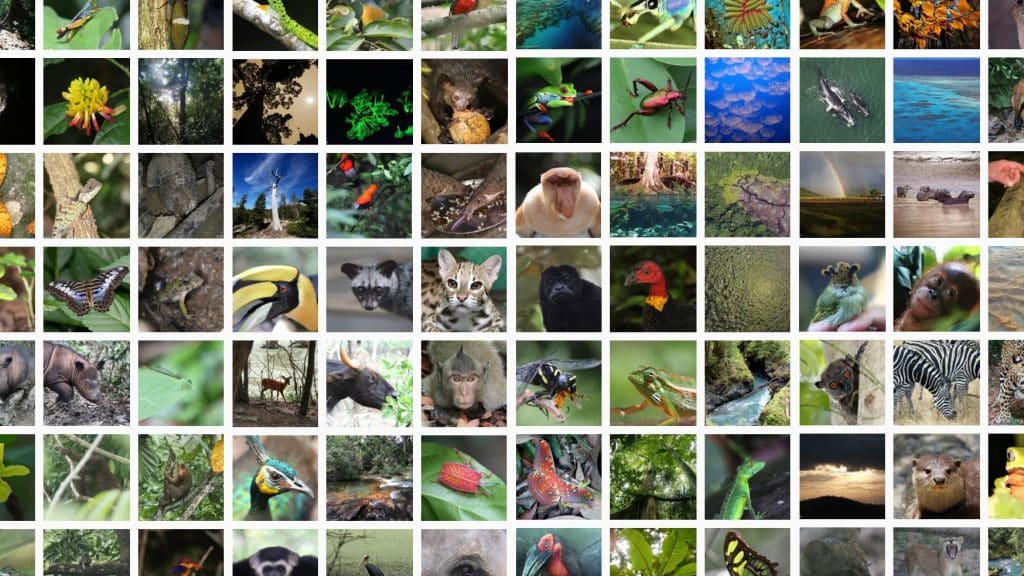
Native plants and animals play a crucial role in maintaining a balanced and sustainable ecosystem. As human activities continue to alter the natural landscape, it becomes increasingly important to prioritize the preservation and promotion of native species. By incorporating native plants and creating habitats that support native wildlife, we can not only enhance the beauty of our landscapes but also contribute to the overall health and resilience of our environment.
In this blog post, we will explore the benefits of native plants and animals in sustainable landscaping. We will discuss how native species can help conserve water, reduce the need for pesticides and fertilizers, and provide important habitats for wildlife. Additionally, we will explore some practical tips and strategies for incorporating native plants into your own landscaping projects. Whether you are a homeowner, a landscape designer, or an environmental enthusiast, this blog post will provide valuable insights into the importance of native species and how they can be integrated into sustainable landscaping practices.
- Choose native plants for landscaping
- Create habitats for local wildlife
- Support biodiversity by planting diverse species
- Use natural pest control methods
- Conserve water by planting drought-tolerant species
- Reduce chemical use in landscaping
- Educate others about sustainable landscaping
- Frequently Asked Questions
Choose native plants for landscaping
Why choose native plants for landscaping?
Native plants are a key component of sustainable landscaping practices. They are species that naturally occur in a specific region and have adapted to the local climate, soil, and wildlife. By incorporating native plants into your landscaping, you can benefit the environment in several ways:
- Biodiversity: Native plants provide essential habitats and food sources for local wildlife, such as birds, butterflies, and bees. By planting native species, you can help support the overall biodiversity of your area.
- Water conservation: Native plants are well adapted to the local climate and require less watering compared to non-native species. Their deep root systems can help prevent soil erosion and retain water, reducing the need for irrigation.
- Reduced pesticide use: Native plants have evolved alongside local insects and pests, making them more resistant to damage. This means you can reduce or eliminate the use of pesticides, promoting a healthier ecosystem.
- Low maintenance: Once established, native plants generally require less maintenance compared to non-native species. They are accustomed to the local conditions and can thrive without excessive fertilizers or other interventions.
How to choose native plants?
When selecting native plants for your landscaping, consider the following:
- Research: Learn about the native plant species that are indigenous to your region. Consider their growth habits, sun and soil requirements, and potential benefits for wildlife.
- Local nurseries: Visit local nurseries or native plant sales to find a wide variety of native species. These nurseries can provide expert advice on which plants are best suited for your specific location.
- Site conditions: Assess the conditions of your landscaping area, including sunlight exposure, soil type, and moisture levels. Choose native plants that can thrive in these specific conditions.
- Plant diversity: Aim for a diverse mix of native plant species to create a more resilient and balanced ecosystem. Consider including a variety of flowers, grasses, shrubs, and trees.
By choosing native plants for your landscaping, you can contribute to the preservation of local ecosystems, conserve water, and create a beautiful and sustainable outdoor space.
Create habitats for local wildlife
Creating habitats for local wildlife is an essential aspect of sustainable landscaping. By incorporating native plants and animals into your landscape design, you can provide a safe and supportive environment for the local ecosystem.
Why is it important?
Native plants and animals are well-adapted to the local climate, soil conditions, and wildlife interactions. They have evolved together over time, forming complex relationships that support the overall health of the ecosystem. By using native plants in your landscaping, you are helping to preserve biodiversity and promote ecological balance.
Benefits of native plants and animals in landscaping
There are numerous benefits to incorporating native plants and animals into your landscape design:
- Conservation: Native plants provide food and shelter for native animals, helping to support their populations and conserve their habitats.
- Sustainability: Native plants are adapted to the local climate and require less water, fertilizer, and pesticides compared to non-native species.
- Pollinators: Native plants attract native pollinators like bees, butterflies, and birds, enhancing the pollination of other plants in your garden.
- Erosion control: Native plants have deep root systems that help prevent soil erosion, especially on slopes and in areas prone to heavy rainfall.
- Low maintenance: Once established, native plants generally require less maintenance and are more resistant to pests and diseases.
How to create habitats for local wildlife
Here are some tips to help you create habitats for local wildlife in your landscape:
- Research: Learn about the native plants and animals in your area, their specific habitat requirements, and their interactions. This knowledge will guide your landscaping decisions.
- Plant native species: Choose a variety of native plants that provide food, shelter, and nesting sites for local wildlife. Aim for a diverse mix of trees, shrubs, flowers, and grasses.
- Provide water sources: Install bird baths, small ponds, or other water features to attract and support local wildlife.
- Create wildlife-friendly structures: Incorporate birdhouses, bat boxes, and insect hotels into your landscape to provide additional shelter and nesting opportunities.
- Minimize pesticide use: Avoid using harmful pesticides and herbicides that can harm native wildlife. Instead, employ natural pest control methods and encourage natural predators.
By following these guidelines and incorporating native plants and animals into your landscaping, you can create a sustainable and vibrant habitat for local wildlife. Not only will your landscape be visually appealing, but it will also contribute to the conservation of biodiversity and the overall health of the ecosystem.
Support biodiversity by planting diverse species
Native plants and animals play a crucial role in maintaining a balanced and sustainable ecosystem. By planting diverse species, you can actively support biodiversity and contribute to the health of the environment. Here are some key reasons why incorporating native plants and animals into your landscaping is important:
1. Ecological Harmony:
Native plants and animals have evolved together over thousands of years, creating a harmonious relationship where each species depends on others for survival. By planting native species, you can recreate this balance in your own backyard or garden, providing a natural habitat for local wildlife.
2. Adaptability:
Native plants and animals are well-suited to the local climate, soil conditions, and pests. They have developed unique adaptations that help them thrive in their specific environments. By planting native species, you are choosing plants and animals that are naturally resilient and require less maintenance, such as watering and pest control.
3. Conservation of Genetic Diversity:
Native plants and animals often have higher genetic diversity than non-native species. This genetic diversity is essential for the long-term survival of species, as it allows them to adapt to changing environmental conditions. By planting native species, you are contributing to the conservation of genetic diversity and helping to protect the future of our ecosystems.
 10 Essential Principles of Permaculture Design
4. Food and Habitat for Wildlife:
Native plants provide essential food sources, such as nectar, fruits, and seeds, for local wildlife. They also offer shelter, nesting sites, and protection from predators. By planting native species, you can attract a variety of birds, butterflies, bees, and other beneficial insects to your garden, creating a thriving ecosystem.
5. Water Conservation:
Native plants are adapted to the local rainfall patterns and soil conditions, making them more efficient at conserving water. Their deep root systems help prevent soil erosion and improve water infiltration, reducing the need for irrigation. By planting native species, you can conserve water and contribute to the overall sustainability of your landscape.
Conclusion:
Incorporating native plants and animals into your landscaping is a key step towards creating a sustainable and biodiverse environment. By supporting biodiversity, you are not only enhancing the beauty of your surroundings but also playing an active role in the conservation of our natural heritage. So, let's embrace native species and make a positive impact on our planet!
Use natural pest control methods
One of the key principles of sustainable landscaping is the use of natural pest control methods. By avoiding the use of synthetic pesticides and insecticides, we can create a healthier and more balanced ecosystem in our landscapes. Here are some effective natural pest control methods to consider:
1. Attract beneficial insects
Encourage the presence of beneficial insects in your garden by planting flowers and herbs that attract them, such as marigolds, yarrow, and dill. These insects, like ladybugs and lacewings, feed on pests like aphids and caterpillars, helping to keep their populations in check.
2. Use companion planting
Companion planting involves strategically placing plants next to each other to enhance their growth and repel pests. For example, planting aromatic herbs like basil and rosemary alongside vegetables can deter pests like aphids and mosquitoes.
3. Install bird feeders and birdhouses
Attracting birds to your garden can be an effective way to control pests. Birds like sparrows, finches, and chickadees feed on insects, snails, and slugs. Installing bird feeders and birdhouses will provide them with food and shelter, making your garden a welcoming habitat.
4. Use organic mulch
Organic mulch, such as wood chips or straw, not only helps conserve moisture and suppress weeds but also creates a favorable environment for beneficial organisms like earthworms. These organisms improve soil health and fertility while keeping harmful pests under control.
5. Practice proper sanitation
Regularly remove dead plant materials, fallen fruits, and weeds from your garden to eliminate potential breeding grounds for pests. Proper sanitation reduces the likelihood of pest infestations and helps maintain a clean and healthy landscape.
By incorporating these natural pest control methods into your landscaping practices, you can create a sustainable and thriving environment for native plants and animals. Together, we can contribute to the preservation of biodiversity and the health of our ecosystems.
Conserve water by planting drought-tolerant species
One of the key principles of sustainable landscaping is conserving water. By planting drought-tolerant species, you can reduce your water consumption and create a beautiful landscape that thrives even in dry conditions.
Drought-tolerant plants have the ability to survive and thrive with minimal watering, making them an excellent choice for sustainable gardening. These plants have adapted to arid climates and have developed mechanisms to store water or reduce water loss.
When choosing drought-tolerant species for your landscape, consider native plants. Native plants are indigenous to a specific region and have naturally evolved to adapt to the local climate and soil conditions. They have a higher chance of surviving and thriving in their native environment.
Benefits of planting native drought-tolerant species:
- Water conservation: Native plants are adapted to the local climate and require less water than non-native species. By planting them, you can significantly reduce your water consumption and contribute to water conservation efforts.
- Low maintenance: Drought-tolerant plants are generally low maintenance. Once established, they require less watering, fertilizers, and pesticides compared to non-native species. This not only saves you time and effort but also reduces your environmental impact.
- Habitat creation: Native plants provide food and shelter for native animals, such as birds, butterflies, and bees. By planting native species, you can support local ecosystems and contribute to the preservation of native wildlife.
- Biodiversity: Native plants are an essential part of the local ecosystem and contribute to its biodiversity. By incorporating native species into your landscape, you help maintain a balanced and healthy ecosystem.
- Resilience: Drought-tolerant native plants are naturally adapted to survive in challenging conditions, such as droughts or heatwaves. They have developed mechanisms to withstand these stressors, making them more resilient and better suited for long-term landscape sustainability.
When selecting native drought-tolerant plants, consider their specific requirements, such as sunlight, soil type, and drainage. Consult with local nurseries or gardening experts to ensure you choose the right plants for your specific location.
By incorporating native drought-tolerant species into your landscape design, you can create a sustainable and environmentally-friendly garden that conserves water, supports local ecosystems, and enhances the beauty of your surroundings.
Reduce chemical use in landscaping
One way to reduce chemical use in landscaping is by incorporating native plants and animals into your outdoor spaces. Native plants are species that have evolved and adapted to the local environment over thousands of years. They are well-suited to the climate, soil, and wildlife of a particular region.
 Exploring different permaculture techniques: swales, hugelkultur, and more
By choosing native plants, you can create a more sustainable landscape that requires less water, fertilizer, and pesticides. Native plants are already adapted to local rainfall patterns and soil conditions, so they often require less irrigation. This can help conserve water and reduce the need for supplemental watering.
Additionally, native plants provide important habitat and food sources for local wildlife. By including native plants in your landscaping, you can support pollinators like bees and butterflies, as well as birds and other animals that rely on native plants for shelter and food.
When selecting native plants, consider their specific requirements and preferences. Some native plants thrive in sunny areas, while others prefer shade. By planting native species in the appropriate location, you can enhance their growth and overall health.
Benefits of native plants and animals in landscaping:
- Reduced water usage
- Decreased reliance on chemical fertilizers and pesticides
- Enhanced biodiversity and habitat for local wildlife
- Improved resilience to climate change
- Preservation of local plant and animal species
In conclusion, incorporating native plants and animals into your landscaping can play a key role in creating a more sustainable outdoor space. By reducing chemical use, conserving water, and providing habitat for wildlife, you can contribute to a healthier and more resilient ecosystem.
Educate others about sustainable landscaping
Native plants and animals play a crucial role in sustainable landscaping. By incorporating them into our outdoor spaces, we can create a harmonious environment that not only supports local ecosystems but also reduces the need for excessive water, pesticides, and fertilizers.
Here are some key points to educate others about the importance of native plants and animals in sustainable landscaping:
1. Biodiversity
Native plants and animals promote biodiversity in our landscapes. They provide food, shelter, and breeding grounds for a wide range of native wildlife, including birds, insects, and mammals. By preserving and restoring native habitats, we can help maintain healthy ecosystems and protect endangered species.
2. Water Conservation
Native plants are adapted to local climates and require less water once established. Their deep root systems help prevent soil erosion and improve water infiltration, reducing the need for irrigation. By planting native species, we can conserve water resources and reduce our reliance on artificial watering systems.
3. Pest Control
Native plants have evolved alongside local insects and wildlife, creating a natural balance. By planting them, we can attract beneficial insects and animals that act as natural pest control agents. This reduces the need for harmful pesticides, which can have detrimental effects on both the environment and human health.
4. Soil Health
Native plants help improve soil health by enhancing nutrient cycling and promoting microbial activity. Their deep root systems also help prevent soil erosion and increase water absorption, reducing runoff and soil degradation. By maintaining healthy soils, we can support the growth of native plants and create a sustainable foundation for our landscapes.
5. Cultural and Historical Significance
Native plants and animals have cultural and historical significance in many regions. They have been used for centuries by indigenous communities for food, medicine, and ceremonial purposes. By incorporating native species into our landscapes, we can honor and preserve these traditions while promoting sustainable practices.
Overall, educating others about the importance of native plants and animals in sustainable landscaping is essential for creating a more resilient and environmentally friendly future. By embracing these practices, we can not only beautify our outdoor spaces but also contribute to the conservation of our natural heritage.
Frequently Asked Questions
1. Why is sustainable landscaping important?
Sustainable landscaping helps conserve water and energy, reduces waste, and promotes biodiversity.
2. What are native plants?
Native plants are species that occur naturally in a particular region and have adapted to the local climate and soil conditions.
3. Why should I use native plants in my landscaping?
Native plants require less water, fertilizer, and pesticides, provide habitat for local wildlife, and help maintain biodiversity.
4. How can I attract native wildlife to my landscape?
Provide food, water, and shelter through the use of native plants, bird feeders, birdbaths, and nesting boxes.
 Integrating livestock in a permaculture system: best practices and benefits
Deja una respuesta
Entradas relacionadas: