
Integrating livestock in a permaculture system: best practices and benefits

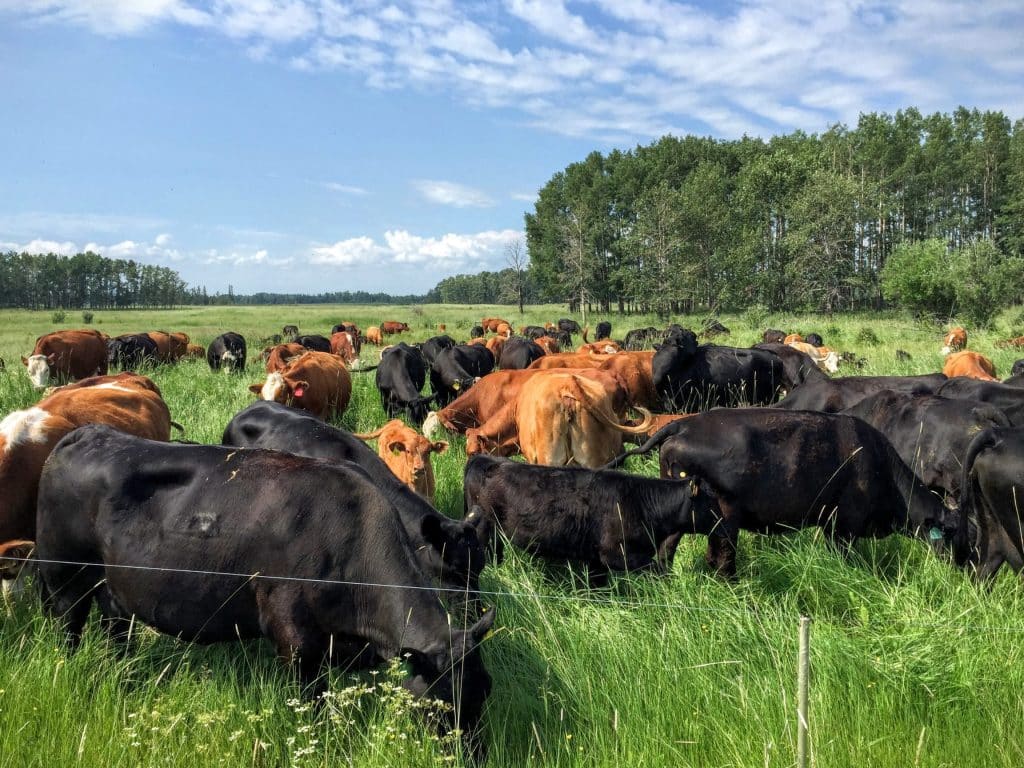
Permaculture is a sustainable agricultural system that aims to create harmonious and self-sustaining ecosystems. It focuses on utilizing natural resources efficiently, reducing waste, and promoting biodiversity. One of the key components of permaculture is integrating livestock into the system, as they can play a crucial role in enhancing soil fertility, managing pests, and providing a source of food and income for farmers.
In this blog post, we will explore the best practices for integrating livestock in a permaculture system and the benefits it brings. We will discuss the different types of livestock that can be incorporated, such as chickens, ducks, goats, and pigs, and how they can contribute to the overall health and productivity of the system. Additionally, we will delve into specific techniques and strategies for managing livestock in a permaculture context, including rotational grazing, composting, and utilizing animal manure as fertilizer. By the end of this article, you will have a comprehensive understanding of how livestock can be effectively integrated into a permaculture system and the positive impacts it can have on both the environment and the farmers' livelihood.
- Use rotational grazing for healthier pastures
- Implement composting systems for nutrient recycling
- Plant forage crops for animal feed
- Utilize animals for weed control
- Design water management systems for livestock
- Incorporate chickens for pest control
- Utilize manure as fertilizer
- Frequently Asked Questions
- 1. How can livestock be integrated into a permaculture system?
- 2. What are the benefits of integrating livestock into a permaculture system?
- 3. What types of livestock are commonly integrated into permaculture systems?
- 4. Are there any challenges associated with integrating livestock into a permaculture system?
Use rotational grazing for healthier pastures
Rotational grazing is a crucial practice when integrating livestock in a permaculture system. It involves dividing a pasture into smaller paddocks and moving the animals from one paddock to another in a systematic pattern. This method allows the pastures to rest and regenerate, ensuring a continuous supply of fresh and nutritious forage for the livestock.
By implementing rotational grazing, you can promote healthier pastures and improve soil fertility. The livestock graze intensively in one paddock, which helps control weed growth and allows for better utilization of the available forage. As the animals move to a new paddock, the previous one has time to recover and regrow, preventing overgrazing and promoting the growth of desirable plants.
In addition to improving pasture health, rotational grazing also has numerous benefits for the livestock. The animals have access to a diverse range of forage species, which provides a more balanced diet and reduces the risk of nutrient deficiencies. The constant movement between paddocks also minimizes parasite infestations, as the parasites cannot establish themselves in the same way they would in a continuously grazed pasture.
Key benefits of rotational grazing:
- Improved pasture health and fertility
- Better utilization of available forage
- Reduced weed growth
- Minimized risk of nutrient deficiencies
- Lower parasite infestations
To implement rotational grazing effectively, it is essential to carefully plan the size and number of paddocks based on the livestock's needs and the pasture's carrying capacity. Regular monitoring of the pastures and animal behavior is also crucial to ensure that the rotation schedule is adjusted accordingly.
Overall, rotational grazing is a best practice when integrating livestock in a permaculture system. It promotes healthier pastures, improves soil fertility, and provides numerous benefits for both the livestock and the overall sustainability of the system.
Implement composting systems for nutrient recycling
Implementing composting systems in a permaculture system is crucial for nutrient recycling and maintaining a healthy ecosystem. Composting allows organic waste, such as livestock manure and plant debris, to decompose and transform into nutrient-rich compost that can be used as a natural fertilizer.
Here are some best practices for implementing composting systems:
1. Select a suitable composting method
There are various composting methods available, such as aerobic composting, vermicomposting, and bokashi composting. Choose a method that suits your specific needs and resources.
2. Designate a composting area
Set aside an area in your permaculture system specifically for composting. This area should be easily accessible and well-drained.
3. Collect organic waste
Gather organic waste from your livestock, such as manure and bedding, as well as plant debris from pruning or harvesting. Avoid using waste that may contain toxins or chemicals.
4. Mix green and brown materials
For optimal composting, mix green materials (rich in nitrogen) such as fresh manure or kitchen scraps, with brown materials (rich in carbon) such as dried leaves or straw. This balance of carbon and nitrogen will help speed up the decomposition process.
5. Maintain proper moisture and aeration
Compost should be kept moist, similar to a damp sponge, to support the activity of decomposer organisms. Ensure proper aeration by turning the compost regularly to prevent it from becoming compacted.
6. Monitor temperature and decomposition
Regularly check the temperature of the compost pile using a compost thermometer. The ideal temperature range for efficient decomposition is between 130°F and 150°F (54°C and 65°C). Monitor the decomposition progress to determine when the compost is ready for use.
 How to build a low-cost permaculture greenhouse for year-round food production
7. Apply compost to your permaculture system
Once the compost has fully decomposed and transformed into dark, crumbly humus, it is ready to be applied to your permaculture system. Spread the compost around plants as a top dressing or mix it into the soil to enrich its fertility.
By implementing composting systems in your permaculture system, you not only recycle nutrients but also enhance soil health, promote beneficial microbial activity, and reduce the need for synthetic fertilizers.
Remember to always follow best practices and monitor your composting system to ensure optimal results.
Plant forage crops for animal feed
One of the best practices for integrating livestock in a permaculture system is to plant forage crops specifically for animal feed. This not only provides a sustainable and reliable source of food for your livestock but also helps in nutrient cycling and soil health.
Benefits of planting forage crops:
- Diverse diet: Forage crops offer a wide range of nutrients that can supplement the diet of your livestock, ensuring their health and well-being.
- Reduced feed costs: By growing your own forage crops, you can significantly reduce your reliance on purchased animal feed, resulting in cost savings.
- Nutrient cycling: Forage crops play a vital role in nutrient cycling within a permaculture system. They absorb nutrients from the soil, which are then returned to the soil through animal manure.
- Improved soil health: The deep root systems of forage crops help in improving soil structure, increasing organic matter content, and enhancing water infiltration and retention.
- Increased biodiversity: Planting a variety of forage crops can attract beneficial insects and pollinators, contributing to the overall biodiversity of your permaculture system.
Best practices for planting forage crops:
- Choose appropriate forage crops: Select crops that are suitable for your climate, soil type, and livestock's dietary needs. Popular choices include clover, alfalfa, chicory, and ryegrass.
- Rotate crops: Practice crop rotation to prevent disease buildup and maintain soil fertility. Rotate different forage crops with other cover crops or cash crops.
- Consider intercropping: Intercropping forage crops with other plants can maximize space utilization and create a diverse and productive ecosystem.
- Implement proper grazing management: Plan your grazing system carefully to prevent overgrazing and promote regrowth of forage crops. Use rotational grazing or strip grazing techniques to ensure sustainable forage utilization.
- Monitor and adjust: Regularly monitor the health and growth of your forage crops. Adjust your planting and management practices based on the needs and feedback from your livestock.
By planting forage crops for animal feed, you can enhance the resilience and productivity of your permaculture system while providing a sustainable source of nutrition for your livestock.
Utilize animals for weed control
One of the best practices when integrating livestock into a permaculture system is to utilize animals for weed control. This can provide several benefits for your overall system.
Firstly, animals such as chickens, ducks, and geese can be used to naturally control weeds by foraging and grazing. Their constant movement and feeding habits help to disturb the weed growth and prevent them from becoming a nuisance in your permaculture garden or farm.
By allowing the animals to roam freely in designated areas, they can target specific weed species and keep them under control. This reduces the need for manual weeding or the use of chemical herbicides, promoting a more sustainable and environmentally-friendly approach.
Additionally, the animals' manure provides a valuable source of nutrients for the soil, which can enhance the overall fertility and health of your permaculture system. As they graze, they naturally deposit their droppings, which contain nitrogen, phosphorus, and potassium – essential elements for plant growth. This natural fertilization process reduces the need for synthetic fertilizers and helps to maintain a balanced and healthy ecosystem.
Integrating animals for weed control in a permaculture system not only helps to maintain a clean and weed-free environment, but it also creates a symbiotic relationship between the animals and the plants. The animals benefit from the forage and the insects present in the weeds, while the plants benefit from the natural weed control and nutrient cycling provided by the animals.
In conclusion, utilizing animals for weed control in a permaculture system offers multiple benefits, including natural weed suppression, nutrient recycling, and a more sustainable approach to farming. By incorporating livestock into your permaculture design, you can create a harmonious and productive ecosystem that supports both animal and plant life.
Design water management systems for livestock
One of the key considerations when integrating livestock in a permaculture system is designing efficient water management systems for them. Livestock require a constant supply of clean water for their well-being and productivity. Here are some best practices to follow:
1. Provide ample access to water
Ensure that there are enough water sources conveniently located throughout the permaculture system for the livestock to access. This may include natural water bodies such as ponds, streams, or rivers, or man-made options like troughs or waterers.
 How to create a permaculture garden in your backyard
2. Consider water quality
Regularly test the quality of the water sources available to the livestock. Ensure that the water is free from contaminants, pollutants, or harmful bacteria that could affect the health of the animals. Install appropriate filtration systems if needed.
3. Implement rainwater harvesting
Make use of rainwater harvesting techniques to supplement the water supply for the livestock. Set up rainwater collection systems like roof gutters and storage tanks to capture and store rainwater, which can then be used during dry seasons or when water sources are limited.
4. Implement rotational grazing
Design a rotational grazing system where livestock are moved to different areas periodically. This not only helps prevent overgrazing but also allows the land to rest and recover, which can help improve water retention in the soil and reduce erosion.
5. Use water-efficient infrastructure
Invest in water-efficient infrastructure, such as low-flow or automatic waterers, to minimize water waste and ensure that the livestock have access to water whenever they need it. Implementing strategies like drip irrigation or water-saving devices can also help conserve water in the permaculture system.
By implementing these best practices for water management in a permaculture system, you can ensure that your livestock have access to clean and plentiful water while also promoting sustainable water use and conservation.
Incorporate chickens for pest control
One of the best practices for integrating livestock in a permaculture system is to incorporate chickens for pest control. Chickens are excellent at controlling pests such as insects and snails, while also providing numerous benefits to the overall system.
Benefits of incorporating chickens in a permaculture system:
- Natural pest control: Chickens have a natural instinct to forage and eat insects, slugs, and snails. By allowing chickens to roam freely in the permaculture system, they can help control pest populations without the need for harmful chemicals.
- Fertilizer production: Chickens produce nutrient-rich manure, which can be used as an organic fertilizer for plants. Their droppings are high in nitrogen, phosphorus, and potassium, essential nutrients for plant growth.
- Soil aeration: As chickens scratch and peck at the ground, they naturally aerate the soil. This improves soil structure, allowing better water infiltration and nutrient absorption by plants.
- Weed control: Chickens can also help control weed populations by eating weed seeds and young seedlings. This reduces the need for manual weeding or herbicide use in the permaculture system.
- Egg production: Incorporating chickens in a permaculture system can also provide a sustainable source of fresh eggs. Chickens can be raised for their eggs, providing a valuable source of protein for the permaculturist.
- Reduced food waste: Chickens can be fed with kitchen scraps and leftover produce from the permaculture system. This reduces food waste and contributes to the overall sustainability of the system.
By incorporating chickens for pest control in a permaculture system, you can enhance the overall ecological balance, reduce the need for chemical inputs, and create a more sustainable and self-sufficient system.
Utilize manure as fertilizer
Using manure as fertilizer is a key practice when integrating livestock in a permaculture system. Manure is an excellent source of nutrients for plants and helps improve soil fertility. Here are some best practices and benefits of utilizing manure:
1. Composting manure
One of the best ways to use manure as fertilizer is by composting it. Composting not only helps to break down the manure, but it also helps to eliminate potential pathogens and weed seeds. To compost manure, create a compost pile or bin and mix the manure with other organic materials such as straw or leaves. Turn the pile regularly to ensure proper decomposition.
2. Balancing nitrogen levels
Manure is rich in nitrogen, which is an essential nutrient for plants. However, it's important to balance the nitrogen levels to avoid nutrient imbalances in the soil. To do this, mix the manure with carbon-rich materials such as straw or wood chips. This will help create a balanced compost that provides a slow release of nutrients to the plants.
3. Applying manure properly
When applying manure to your permaculture system, it's important to do it properly to avoid nutrient runoff and contamination of water sources. Spread the composted manure evenly across the soil surface and incorporate it into the top few inches of soil. This will allow the nutrients to be absorbed by the plants without being washed away.
Benefits of utilizing manure as fertilizer:
- Improved soil fertility: Manure adds organic matter to the soil, improving its structure and nutrient-holding capacity.
- Enhanced plant growth: The nutrients in manure promote healthy plant growth, resulting in better yields and stronger plants.
- Reduced reliance on synthetic fertilizers: By using manure as fertilizer, you can reduce the need for synthetic fertilizers, which can be harmful to the environment.
- Cost-effective: Manure is a readily available and cost-effective source of nutrients for your plants.
- Closed-loop system: Integrating livestock and utilizing their manure creates a closed-loop system where waste becomes a valuable resource.
By utilizing manure as fertilizer in your permaculture system, you can enhance soil fertility, promote plant growth, and create a more sustainable and efficient farming practice.
Frequently Asked Questions
1. How can livestock be integrated into a permaculture system?
Livestock can be integrated into a permaculture system through rotational grazing, using their manure as fertilizer, and utilizing their natural behaviors to enhance the overall ecosystem.
2. What are the benefits of integrating livestock into a permaculture system?
Integrating livestock can help improve soil fertility, increase biodiversity, provide natural pest control, and create a more self-sustaining and resilient system.
3. What types of livestock are commonly integrated into permaculture systems?
Common livestock integrated into permaculture systems include chickens, ducks, pigs, goats, and cows.
 Permaculture and water harvesting: capturing and utilizing rainwater effectively
4. Are there any challenges associated with integrating livestock into a permaculture system?
Some challenges may include proper management of grazing patterns, preventing overgrazing, and ensuring the well-being and health of the livestock.
Deja una respuesta
Entradas relacionadas: