
The role of renewable energy in reducing dependence on fossil fuels

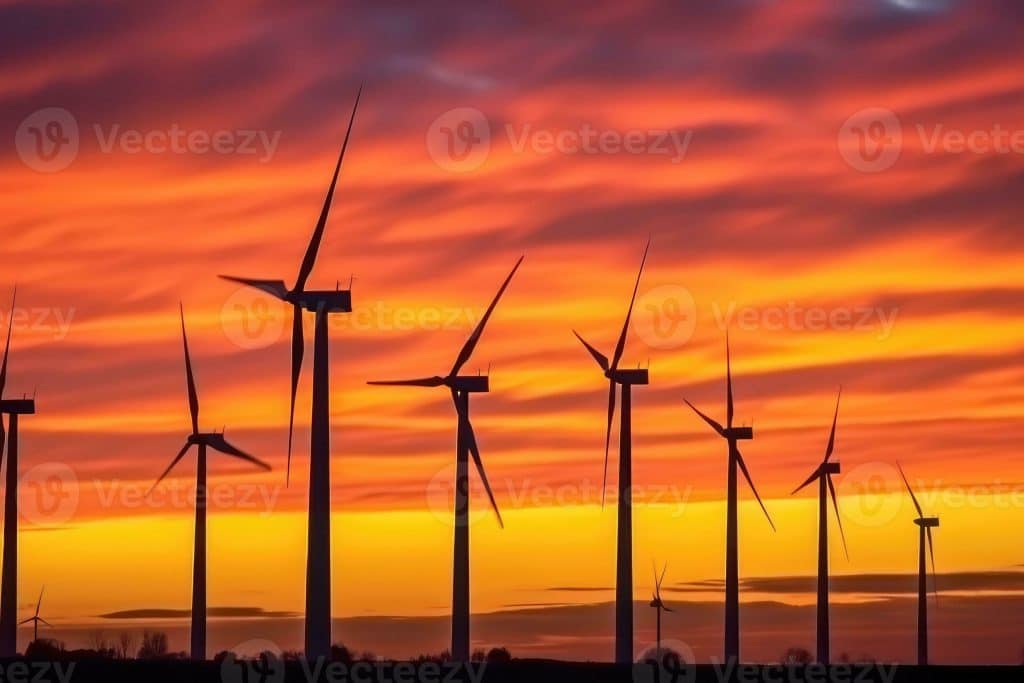
As the world grapples with the challenges of climate change and the growing demand for energy, there is an increasing need to shift away from fossil fuels and towards more sustainable sources of energy. Renewable energy, such as solar, wind, and hydropower, has emerged as a viable alternative that not only reduces greenhouse gas emissions but also offers a more secure and reliable energy supply.
In this blog post, we will explore the role of renewable energy in reducing dependence on fossil fuels. We will discuss how renewable energy technologies have evolved over the years, their benefits and limitations, and the potential they hold for transforming the global energy landscape. We will also examine the challenges and barriers to widespread adoption of renewable energy and the strategies being implemented to overcome them. By the end of this post, you will have a deeper understanding of the importance of renewable energy in achieving a sustainable and resilient future.
- Implementing solar panel installations
- Implementing solar panel installations
- Investing in wind turbine farms
- Promoting hydropower as a viable alternative
- Encouraging geothermal energy projects
- Supporting bioenergy initiatives and research
- Enhancing energy efficiency measures
- Raising awareness about energy conservation
- Frequently Asked Questions
Implementing solar panel installations
Implementing solar panel installations
One of the most effective ways to reduce dependence on fossil fuels is by implementing solar panel installations. Solar energy is a renewable and clean source of power that can be harnessed by installing solar panels on rooftops or open spaces.
When implementing solar panel installations, several factors need to be considered. Firstly, the location and orientation of the panels are crucial for optimal energy production. Panels should be placed in areas with maximum exposure to sunlight, such as rooftops facing south or open fields without shading.
Additionally, the size and capacity of the solar panel system should be determined based on the energy needs of the building or facility. Calculations can be made to estimate the required number of panels and their capacity to generate enough electricity to meet the demand.
During the installation process, it is important to ensure proper wiring and connection of the panels to the electrical system. This includes the installation of inverters, which convert the direct current (DC) generated by the panels into alternating current (AC) that can be used to power appliances and devices.
Maintenance is also crucial for the long-term effectiveness of solar panel installations. Regular cleaning of the panels to remove dust and debris, as well as periodic inspections to detect any malfunctions or damages, are necessary to ensure optimal performance.
Implementing solar panel installations not only reduces dependence on fossil fuels but also offers various benefits. Solar energy is a renewable source that does not produce greenhouse gas emissions, helping to mitigate climate change. Moreover, it can lead to cost savings on electricity bills and create job opportunities in the renewable energy sector.
Investing in wind turbine farms
Investing in wind turbine farms is a crucial step towards reducing our dependence on fossil fuels and transitioning towards a sustainable energy future. Wind energy is a renewable source of power that harnesses the natural force of the wind to generate electricity. By investing in wind turbine farms, we can tap into this clean and abundant source of energy and significantly reduce greenhouse gas emissions.
Benefits of investing in wind turbine farms
There are numerous benefits to investing in wind turbine farms:
- Environmentally friendly: Wind energy is clean and does not produce harmful emissions or pollutants. By investing in wind turbine farms, we can help mitigate climate change and reduce air pollution.
- Renewable and sustainable: Wind is an unlimited resource, and investing in wind energy ensures a constant and reliable source of power for years to come.
- Job creation: The establishment and maintenance of wind turbine farms create job opportunities in various sectors, including manufacturing, installation, and maintenance.
- Economic growth: Wind energy investments can contribute to local economic growth by attracting investments, increasing tax revenues, and stimulating the development of new industries.
- Energy independence: By reducing our reliance on fossil fuels, investing in wind turbine farms helps enhance energy security and reduce vulnerability to price fluctuations and supply disruptions.
Challenges and considerations
While investing in wind turbine farms offers numerous benefits, there are also challenges and considerations to keep in mind:
- Intermittency: Wind energy production is dependent on wind availability, which can be variable. This intermittency factor requires backup power sources or energy storage systems to ensure a stable supply of electricity.
- Land and noise concerns: Wind turbine farms require large plots of land, which can raise concerns about land use and environmental impacts. Additionally, noise generated by wind turbines can be a concern for nearby communities.
- Visual impact: The visual impact of wind turbine farms can be a subject of debate, with some people expressing concerns about their aesthetic impact on landscapes.
- Initial investment: The upfront costs of investing in wind turbine farms can be significant, requiring substantial capital investment. However, these costs can be offset by long-term energy savings and potential financial incentives.
- Transmission and grid integration: Integrating wind energy into the existing power grid infrastructure can pose technical challenges, including transmission planning and grid stability.
Despite these challenges, investing in wind turbine farms remains a viable and necessary step towards reducing our dependence on fossil fuels and achieving a more sustainable energy future. By embracing renewable energy sources like wind power, we can move towards a cleaner and greener world for generations to come.
Promoting hydropower as a viable alternative
Hydropower is a renewable energy source that has the potential to play a significant role in reducing our dependence on fossil fuels. It harnesses the power of flowing or falling water to generate electricity, providing a clean and sustainable energy option.
The benefits of hydropower
There are several advantages to promoting hydropower as a viable alternative:
- Renewable and abundant: Unlike fossil fuels, which are finite and non-renewable, water is a renewable resource that is constantly replenished by natural processes such as rainfall and snowmelt.
- Low greenhouse gas emissions: Hydropower plants produce minimal greenhouse gas emissions compared to fossil fuel power plants. This helps to mitigate climate change and reduce air pollution.
- Reliable and flexible: Hydropower is a reliable source of energy that can provide baseload power, meaning it can generate electricity consistently throughout the day. It also offers flexibility in terms of adjusting power output to meet changing demand.
- Water storage and flood control: Hydropower reservoirs can serve as water storage systems, helping to regulate water supply for agriculture, drinking water, and irrigation purposes. Additionally, they can provide flood control by managing and releasing excess water during heavy rainfall.
- Job creation and economic growth: The development and operation of hydropower projects can create employment opportunities and contribute to local economic growth.
Challenges and considerations
While hydropower offers significant benefits, there are also challenges and considerations to keep in mind:
 Building a rainwater harvesting system for sustainable gardening
- Environmental impact: The construction of large dams for hydropower projects can have adverse effects on ecosystems, including habitat destruction, alteration of river flow, and displacement of local communities.
- Limited suitable locations: Not all regions have suitable topography and water resources to support hydropower development. This limits the widespread implementation of hydropower as a renewable energy option.
- Upfront costs: The initial investment required for building hydropower plants can be substantial, making it a less financially feasible option for some regions.
- Maintenance and operation: Hydropower facilities require regular maintenance and operation to ensure efficient and reliable power generation. This involves ongoing costs and skilled personnel.
In conclusion, promoting hydropower as a viable alternative to fossil fuels can contribute to reducing our dependence on non-renewable energy sources. It offers numerous benefits, including its renewable nature, low greenhouse gas emissions, and reliability. However, it is important to consider the environmental impact, limited suitable locations, upfront costs, and ongoing maintenance required for hydropower projects.
Encouraging geothermal energy projects
Geothermal energy is a sustainable and renewable source of power that has the potential to play a significant role in reducing our dependence on fossil fuels. By harnessing the heat generated from the Earth's core, geothermal energy can be used to generate electricity and heat without emitting greenhouse gases.
The benefits of geothermal energy
There are several advantages to encouraging geothermal energy projects:
- Reduced carbon emissions: Geothermal power plants produce very low levels of greenhouse gas emissions compared to fossil fuel-powered plants.
- Renewable and sustainable: Geothermal energy is derived from the heat generated within the Earth, which is constantly replenished by natural processes.
- Cost-effective in the long run: Although the initial investment for geothermal power plants can be high, the operating costs are relatively low, making it a cost-effective option in the long run.
- Job creation: Developing geothermal projects can create new job opportunities in areas such as drilling, construction, and maintenance of power plants.
- Reliable and consistent: Unlike other renewable energy sources like solar or wind, geothermal energy is not dependent on weather conditions and can provide a consistent power supply.
Challenges and potential solutions
Despite its many benefits, there are some challenges associated with geothermal energy:
- Location-specific: Geothermal energy can only be harnessed in areas with suitable geothermal resources, limiting its widespread adoption.
- High upfront costs: The initial exploration and drilling costs can be significant, making it challenging for smaller companies or developing countries to invest in geothermal projects.
- Environmental impact: Improper drilling techniques or injection of fluids can potentially cause seismic activity or release harmful substances. However, proper regulation and monitoring can mitigate these risks.
To overcome these challenges, governments and organizations can:
- Invest in research and development: Continued investment in geothermal technologies and exploration can help identify new resources and improve efficiency.
- Provide financial incentives: Governments can offer tax credits, grants, or subsidies to encourage private investments in geothermal projects.
- Facilitate international collaboration: Sharing knowledge and experiences between countries can accelerate the development of geothermal energy and help overcome technical and financial barriers.
In conclusion, promoting and encouraging geothermal energy projects is crucial in reducing our reliance on fossil fuels and transitioning towards a more sustainable energy future. By realizing the potential of geothermal energy and addressing the associated challenges, we can contribute to a cleaner and greener planet.
Supporting bioenergy initiatives and research
Bioenergy is a form of renewable energy that is derived from organic matter, such as plants and animal waste. It plays a significant role in reducing our dependence on fossil fuels and mitigating climate change. There are several initiatives and research efforts aimed at supporting and promoting the use of bioenergy.
Government support
Many governments around the world have recognized the importance of bioenergy and have implemented policies and incentives to support its development. These include tax credits, grants, and subsidies for bioenergy projects. By providing financial support, governments are encouraging the growth of the bioenergy industry and helping to reduce carbon emissions.
Research and development
There is ongoing research and development focused on improving the efficiency and sustainability of bioenergy technologies. Scientists and engineers are working on innovations such as advanced biofuel production methods, efficient biomass conversion processes, and the development of new feedstocks. This research is crucial in making bioenergy a viable and competitive alternative to fossil fuels.
Collaborative efforts
Collaboration between different stakeholders, including governments, industry, and academia, is key to advancing bioenergy initiatives. By working together, these stakeholders can share knowledge, resources, and expertise to overcome challenges and accelerate the adoption of bioenergy technologies. Collaborative efforts can also help in addressing concerns related to land use, feedstock availability, and environmental impacts.
Public awareness and education
Increasing public awareness and understanding of bioenergy is important for its acceptance and widespread adoption. Education campaigns and outreach programs can help dispel misconceptions and highlight the benefits of bioenergy, such as its role in reducing greenhouse gas emissions and creating local economic opportunities. By fostering public support, bioenergy initiatives can gain momentum and drive further investment and development.
In conclusion, supporting bioenergy initiatives and research is crucial in reducing our dependence on fossil fuels. By providing government support, investing in research and development, fostering collaboration, and raising public awareness, we can accelerate the transition to a cleaner and more sustainable energy future.
Enhancing energy efficiency measures
Enhancing energy efficiency measures is a crucial step towards reducing dependence on fossil fuels and promoting the use of renewable energy sources. By improving the efficiency of energy consumption, we can minimize the amount of energy required to carry out various activities, thereby reducing the overall demand for fossil fuels.
There are several ways to enhance energy efficiency:
1. Upgrading insulation and weatherization
One of the most effective ways to improve energy efficiency in buildings is by upgrading insulation and weatherization. By properly insulating walls, roofs, and floors, we can prevent heat loss during colder months and reduce the need for heating. Similarly, by sealing air leaks and improving ventilation systems, we can enhance energy efficiency and reduce the need for air conditioning.
 The Principles of Permaculture: A Guide to Designing Sustainable Systems
2. Installing energy-efficient appliances
Another important step is to replace old, energy-guzzling appliances with energy-efficient ones. Appliances such as refrigerators, washing machines, and air conditioners have become more energy-efficient in recent years. Look for appliances with an Energy Star label, as they meet strict energy efficiency guidelines set by the Environmental Protection Agency (EPA).
3. Implementing smart energy management systems
Smart energy management systems can significantly enhance energy efficiency by optimizing energy consumption. These systems use advanced sensors, machine learning algorithms, and automation to monitor and control energy usage in real-time. They can adjust lighting, heating, and cooling based on occupancy, weather conditions, and other factors, ensuring energy is used only when necessary.
4. Encouraging behavioral changes
Changing our everyday habits and behaviors can also contribute to energy efficiency. Simple actions like turning off lights and appliances when not in use, using natural light during the day, and setting thermostats at optimal temperatures can go a long way in reducing energy consumption.
Enhancing energy efficiency measures is crucial in reducing dependence on fossil fuels. By adopting these measures, we can not only reduce our carbon footprint but also save on energy costs and create a more sustainable future.
Raising awareness about energy conservation
Renewable energy plays a crucial role in reducing our dependence on fossil fuels and mitigating the negative impacts of climate change. By harnessing natural resources such as sunlight, wind, water, and geothermal heat, we can generate clean and sustainable energy that does not contribute to greenhouse gas emissions.
One of the main advantages of renewable energy is its ability to combat climate change. Unlike fossil fuels, which release carbon dioxide and other harmful pollutants when burned, renewable energy sources produce little to no emissions during electricity generation. This helps to reduce our overall carbon footprint and slow down the pace of global warming.
Another important benefit of renewable energy is its potential to enhance energy security and independence. Unlike fossil fuels, which are finite resources that are subject to price fluctuations and geopolitical tensions, renewable energy sources are abundant and widely available. By diversifying our energy sources and investing in renewable technologies, we can reduce our reliance on imported fossil fuels and decrease our vulnerability to supply disruptions.
The role of solar energy
Solar energy is one of the most promising forms of renewable energy. It involves capturing the sun's rays and converting them into electricity or heat. Solar panels are becoming increasingly affordable and efficient, making it easier for households and businesses to generate their own clean energy. By installing solar panels on rooftops, we can harness the power of the sun and reduce our reliance on traditional energy sources.
The importance of wind power
Wind power is another significant contributor to the renewable energy sector. Wind turbines convert the kinetic energy of the wind into electrical energy, which can be used to power homes, businesses, and even entire communities. Wind farms are often located in areas with high wind speeds, such as coastal regions or open plains, where they can generate large amounts of electricity. Investing in wind power infrastructure can help to diversify our energy portfolio and reduce our dependence on fossil fuels.
The potential of hydropower
Hydropower, or the generation of electricity from flowing water, has been a reliable source of renewable energy for centuries. By harnessing the power of rivers, streams, and waterfalls, we can generate clean and sustainable electricity. Hydropower plants can be large-scale, such as dams, or small-scale, such as run-of-river systems. In addition to generating electricity, hydropower facilities can also provide flood control, irrigation, and recreational opportunities.
In conclusion, renewable energy is crucial in reducing our dependence on fossil fuels and mitigating the impacts of climate change. By investing in solar, wind, hydropower, and other renewable technologies, we can create a more sustainable and resilient energy system for future generations.
Frequently Asked Questions
1. What is renewable energy?
Renewable energy is energy that is generated from natural resources that are constantly replenished, such as sunlight, wind, and water.
2. How does renewable energy reduce dependence on fossil fuels?
Renewable energy sources produce electricity without the need for fossil fuels, reducing the demand for and consumption of non-renewable resources.
3. What are the benefits of using renewable energy?
Using renewable energy helps to mitigate climate change, improve air quality, and promote energy independence and security.
4. Are renewable energy sources reliable and cost-effective?
Yes, many renewable energy technologies have become increasingly reliable and cost-effective, making them a viable alternative to fossil fuels.
 Top Sustainable Technologies for a Permaculture Garden
Deja una respuesta
Entradas relacionadas: