
Building a rainwater harvesting system for sustainable gardening

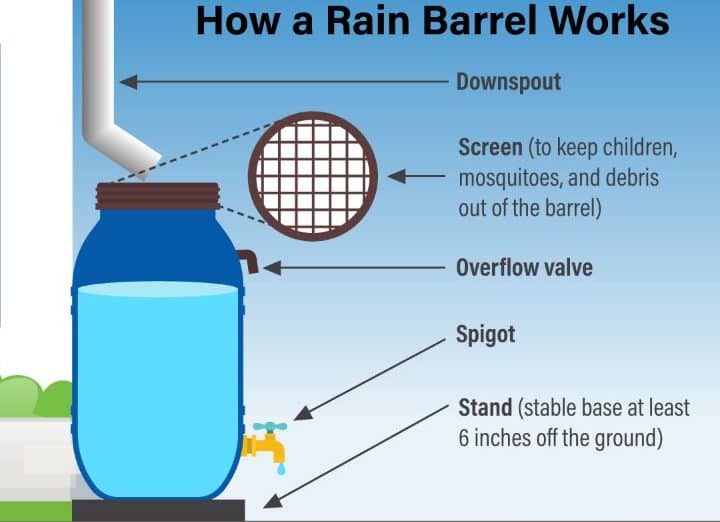
With the increasing awareness of the importance of sustainable practices, many people are turning to rainwater harvesting as a way to reduce their environmental impact and conserve water. Rainwater harvesting involves collecting and storing rainwater to be used for various purposes, such as watering plants, flushing toilets, and washing clothes. Not only does this practice help to reduce reliance on municipal water sources, but it also helps to mitigate the effects of water scarcity and reduce stormwater runoff.
In this blog post, we will discuss the steps involved in building a rainwater harvesting system for sustainable gardening. We will explore the different components and equipment needed, such as rain barrels, gutters, and filters, and provide a step-by-step guide on how to set up a basic rainwater harvesting system. Additionally, we will discuss the benefits of rainwater harvesting for gardening, including its positive impact on plant health and the environment. Whether you are an experienced gardener looking to adopt more sustainable practices or a beginner interested in learning about rainwater harvesting, this post will provide you with valuable information to get started.
Install rain barrels for collection
Installing rain barrels is a great way to collect and store rainwater for sustainable gardening. It's a simple and effective method that allows you to harvest rainwater and use it for watering your plants, reducing your reliance on municipal water sources.
To install rain barrels, follow these steps:
1. Choose the location
First, select a suitable location for your rain barrels. Ideally, it should be near a downspout from your roof so that it can easily collect rainwater.
2. Prepare the area
Clean the area where you plan to install the rain barrels. Ensure that it is level and stable enough to support the weight of the barrels when filled with water.
3. Install a diverter
Install a diverter on your downspout to redirect the rainwater into the rain barrels. This will prevent overflow and ensure that the excess water is directed away from your foundation.
4. Place the rain barrels
Position the rain barrels underneath the downspout, making sure they are securely placed and level. Connect multiple barrels if needed, using connectors or hoses.
5. Create an overflow system
In case the rain barrels fill up, it's important to have an overflow system. You can connect a hose to the overflow outlet of the rain barrels and direct the excess water to a suitable drainage area or another rain barrel.
6. Maintain and use the collected water
Regularly maintain your rain barrels by cleaning them and checking for any leaks or damage. Use the collected rainwater to water your garden, plants, or lawn. You can use a watering can or connect a hose to the barrels for easy distribution.
By installing rain barrels and utilizing rainwater for your gardening needs, you can contribute to water conservation and create a more sustainable garden.
Use a gutter system for redirection
A gutter system is an essential component for building a rainwater harvesting system for sustainable gardening. It helps in redirecting rainwater from the roof to the storage tanks or directly to the garden.
To start, you will need to install gutters along the edges of your roof. Make sure to choose high-quality gutters that are durable and can withstand outdoor elements. The gutters should be sloped slightly downward towards the downspouts to ensure proper flow of rainwater.
Next, connect the downspouts to the gutters. Downspouts are vertical pipes that carry rainwater from the gutters to the storage tanks or directly to the garden. Place the downspouts strategically to ensure efficient water management.
It is important to keep the gutters and downspouts free from debris to prevent clogging. Regularly clean them and consider installing gutter guards to prevent leaves and other debris from entering the system.
By using a gutter system for redirection, you can effectively collect rainwater and maximize its usage for sustainable gardening practices.
Filter collected rainwater for purity
Filtering collected rainwater is an essential step in ensuring its purity for use in sustainable gardening. By removing impurities and contaminants, you can optimize the quality of the water and promote healthy plant growth.
Here are some effective methods to filter rainwater:
1. Sediment Filtration:
Use a sediment filter to remove larger particles such as leaves, twigs, and debris from the collected rainwater. This can be done by installing a mesh screen or a sediment filter at the entry point of your rainwater harvesting system.
2. Carbon Filtration:
Carbon filters are effective in removing chemicals, odors, and organic compounds from rainwater. These filters use activated carbon to absorb impurities and improve the taste and odor of the water.
3. UV Sterilization:
UV sterilizers use ultraviolet light to kill bacteria, viruses, and other microorganisms present in the rainwater. This method is particularly useful for ensuring the safety of the water before using it for irrigation or other gardening purposes.
4. Reverse Osmosis:
Reverse osmosis systems are highly effective in removing a wide range of impurities from water, including dissolved salts, heavy metals, and microorganisms. These systems use a semi-permeable membrane to separate contaminants from the rainwater.
 The Principles of Permaculture: A Guide to Designing Sustainable Systems
It's important to regularly maintain and clean your filtration system to ensure its optimal performance. Follow the manufacturer's instructions for maintenance and replace filters as recommended.
By filtering collected rainwater, you can create a sustainable and eco-friendly water source for your gardening needs while reducing your reliance on municipal water supplies.
Use rainwater for watering plants
One of the most sustainable practices you can adopt in your gardening routine is the use of rainwater to water your plants. Building a rainwater harvesting system is a great way to collect and store rainwater for future use.
Why should you use rainwater for watering plants?
There are several reasons why using rainwater is beneficial for your plants:
- Rainwater is free from chemicals and additives commonly found in tap water, such as chlorine and fluoride, which can be harmful to plants.
- Rainwater is naturally soft, making it easier for plants to absorb nutrients from the soil.
- Using rainwater reduces the strain on municipal water supplies, particularly during dry seasons.
- By collecting rainwater, you can reduce runoff and erosion in your garden.
How to build a rainwater harvesting system
Building a rainwater harvesting system doesn't have to be complicated. Here are the basic steps to get you started:
- Choose a suitable location for your rainwater collection system. It should be near a downspout or a roof area where rainwater can be easily collected.
- Install a gutter system to direct rainwater from your roof into a collection tank or barrel.
- Place a debris filter or screen at the entrance of the collection tank to prevent leaves and other debris from entering.
- Add a first flush diverter to divert the initial dirty water that may contain pollutants and contaminants.
- Connect a hose or spigot to the collection tank for easy access to the stored rainwater.
- If desired, you can also install a pump or gravity-fed irrigation system to distribute the rainwater directly to your plants.
Remember to regularly maintain your rainwater harvesting system by cleaning the collection tank and ensuring all components are functioning properly. It's also important to check local regulations and obtain any necessary permits before installing a rainwater harvesting system.
In conclusion, building a rainwater harvesting system is a simple and effective way to promote sustainable gardening practices. By using rainwater to water your plants, you can save money, conserve water, and reduce your environmental impact. So why not start collecting rainwater today and make a positive difference in your garden and the planet?
Implement drip irrigation for efficiency
Drip irrigation is a highly efficient method of watering plants in your garden. It delivers water directly to the roots of the plants, reducing water loss through evaporation and ensuring that the plants receive the right amount of water they need.
Here are some steps to implement drip irrigation in your garden:
1. Plan and measure
Start by planning and measuring your garden. Determine the areas that need watering and calculate the length of tubing needed to reach all the plants.
2. Gather the materials
You will need the following materials:
- Drip tubing
- Emitters
- Connectors
- End caps
- Filter
- Pressure regulator
- Timer
- Stakes or clips
3. Lay out the tubing
Start by laying out the drip tubing along the plants, making sure it reaches all the areas that need watering. Use stakes or clips to secure the tubing in place.
4. Install emitters
Attach emitters to the tubing near the base of each plant. The number of emitters needed will depend on the water requirements of the plants.
5. Connect the tubing
Use connectors to join the sections of tubing together. Make sure the connections are secure to avoid any leaks.
6. Install a filter and pressure regulator
Install a filter to prevent any debris from clogging the emitters, and a pressure regulator to ensure a consistent flow of water.
7. Set up a timer
Connect a timer to the drip system to automate the watering process. Set the timer to water the plants at the appropriate times.
Note: It's important to periodically check the drip irrigation system for any leaks or clogs and make necessary adjustments. Also, adjust the watering schedule based on the needs of the plants and the weather conditions.
Implementing drip irrigation in your garden can significantly reduce water waste and promote sustainable gardening practices. It's an effective way to ensure your plants receive the right amount of water while conserving this precious resource.
Mulch to retain moisture in soil
Mulching is a crucial step in building a rainwater harvesting system for sustainable gardening. By using mulch, you can help retain moisture in the soil, reduce evaporation, and prevent weed growth. It also enhances the overall health of your plants and promotes better root development.
Here are some key points to consider when mulching:
1. Choose the right mulch:
There are various types of mulch available, including organic and inorganic options. Organic mulch, such as straw, wood chips, or compost, is highly recommended for sustainable gardening. It not only helps retain moisture but also adds nutrients to the soil as it decomposes.
2. Apply mulch correctly:
 Top Sustainable Technologies for a Permaculture Garden
Spread a layer of mulch around your plants, leaving a gap around the stem to prevent rot. The ideal thickness of the mulch layer should be around 2-3 inches. This thickness provides adequate insulation and prevents weed growth.
3. Replenish mulch regularly:
Over time, mulch decomposes and breaks down. It is important to replenish the mulch layer periodically to maintain its effectiveness. Adding a fresh layer of mulch every year or as needed will help retain moisture and provide a continuous supply of nutrients to the soil.
4. Consider using mulch alternatives:
If organic mulch is not readily available, you can consider using inorganic mulch alternatives such as gravel or pebbles. These materials also help retain moisture and reduce evaporation, although they don't provide the same level of soil enrichment as organic mulch.
Remember, mulching plays a vital role in conserving water and promoting sustainable gardening practices. By implementing this simple technique, you can make your rainwater harvesting system more effective and achieve healthier, thriving plants in your garden.
Monitor and adjust water usage
One of the most important aspects of building a rainwater harvesting system for sustainable gardening is the ability to monitor and adjust water usage. This step ensures that you are using the collected rainwater efficiently and effectively.
To monitor water usage, you can install a water meter that measures the amount of water being used in your garden. This will give you a clear idea of how much water you are using and help you identify any excessive usage.
Once you have a clear understanding of your water usage, you can then make adjustments to minimize wastage and maximize efficiency. Here are some tips:
1. Implement water-saving practices
Consider implementing water-saving practices such as using drip irrigation or installing a soaker hose system. These methods deliver water directly to the roots of plants, reducing evaporation and water loss.
Additionally, avoid overwatering your plants. Only water when necessary and adjust the watering schedule based on weather conditions.
2. Collect and reuse rainwater
One of the main benefits of a rainwater harvesting system is the ability to collect and reuse rainwater. By collecting rainwater, you can reduce your reliance on municipal water sources.
Use collected rainwater for watering your garden, filling up birdbaths, or even for washing outdoor surfaces. This way, you can make the most of the rainwater you have collected and reduce your overall water consumption.
3. Mulch and compost
Applying mulch to your garden beds can help retain moisture in the soil, reducing the need for additional watering. Mulch also helps suppress weeds, which can compete for water with your plants.
Composting is another effective way to improve soil moisture retention. Adding compost to the soil can increase its water-holding capacity, reducing the need for frequent watering.
4. Group plants based on water needs
When planning your garden, group plants with similar water requirements together. This way, you can avoid overwatering or underwatering certain plants.
By grouping plants based on water needs, you can create efficient watering zones and avoid wasting water on plants that don't need as much.
5. Regularly inspect and maintain your system
Regularly inspect your rainwater harvesting system for any leaks, clogs, or malfunctions. A well-maintained system ensures that water is being properly collected and distributed.
Check the gutters, downspouts, filters, and storage tanks for any signs of damage or blockages. Clean and maintain these components as needed to ensure optimal performance.
By monitoring and adjusting your water usage, you can ensure that your rainwater harvesting system is being used effectively and sustainably. Implementing water-saving practices, collecting and reusing rainwater, mulching and composting, grouping plants based on water needs, and regularly maintaining your system are all key steps towards building a successful rainwater harvesting system for sustainable gardening.
Frequently Asked Questions
1. Why should I implement a rainwater harvesting system?
Rainwater harvesting helps conserve water and reduce reliance on municipal water supplies.
2. What are the benefits of using harvested rainwater for gardening?
Using rainwater for gardening reduces water bills, promotes plant growth, and minimizes the use of chemical additives.
3. How do I build a rainwater harvesting system?
To build a rainwater harvesting system, you will need a collection surface, gutters, downspouts, a storage container, and a distribution system.
4. Can I use harvested rainwater for drinking or cooking?
Rainwater harvested from roofs is generally not recommended for drinking or cooking unless it has been properly filtered and treated.
 How to Implement Permaculture Principles in an Urban Setting
Deja una respuesta
Entradas relacionadas: