
The Role of Permaculture in Climate Change Mitigation

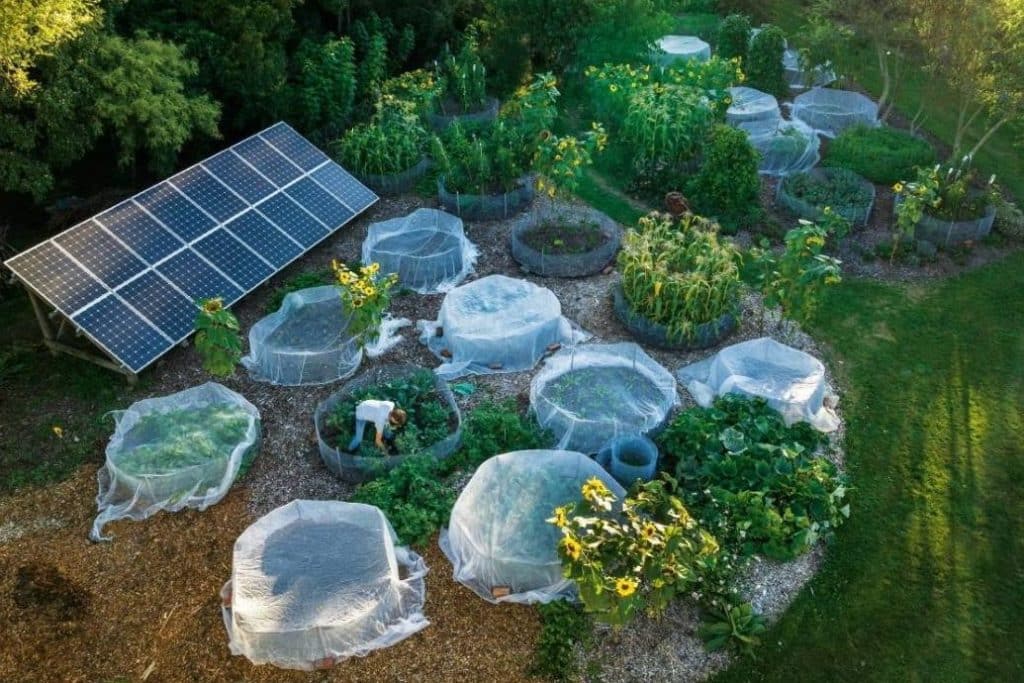
Climate change is one of the most pressing issues of our time, with far-reaching impacts on ecosystems, communities, and economies. As global temperatures continue to rise and extreme weather events become more frequent, it is crucial to explore sustainable solutions that can mitigate the effects of climate change. Permaculture, a holistic design system, offers a promising approach to address this challenge.
In this blog post, we will delve into the role of permaculture in climate change mitigation. We will explore how permaculture principles and practices can help restore ecosystems, reduce greenhouse gas emissions, and enhance resilience to climate change. We will also highlight examples of successful permaculture projects around the world and discuss the potential for scaling up these efforts to create a more sustainable and resilient future.
- Implement sustainable farming practices
- Promote agroforestry and reforestation
- Enhance soil carbon sequestration
- Adopt water conservation strategies
- Adopt water conservation strategies
- Encourage community-based food production
- Support renewable energy initiatives
- Educate and empower local communities
- Frequently Asked Questions
Implement sustainable farming practices
Implementing sustainable farming practices is crucial in mitigating climate change and promoting a more environmentally friendly approach to agriculture. By adopting permaculture principles, farmers can minimize the negative impact of their activities on the environment and contribute to climate change mitigation.
1. Agroforestry
One sustainable farming practice is agroforestry, which involves integrating trees and other perennial plants into agricultural systems. By planting trees alongside crops, farmers can create a more diverse and resilient ecosystem. Trees provide shade, improve soil fertility, and sequester carbon dioxide through photosynthesis, helping to reduce greenhouse gas emissions.
2. Crop rotation and cover cropping
Crop rotation and cover cropping are essential practices in permaculture farming. Crop rotation involves alternating the types of crops grown in a particular area to prevent soil nutrient depletion and reduce the risk of pests and diseases. Cover cropping involves planting specific plants, such as legumes, in between crops to improve soil health and fix nitrogen, reducing the need for synthetic fertilizers.
3. Water management
Efficient water management is crucial in sustainable farming. Permaculture emphasizes the use of techniques such as rainwater harvesting, drip irrigation, and swales to conserve water and minimize wastage. By implementing these practices, farmers can reduce their reliance on water-intensive irrigation systems and contribute to conserving water resources.
4. Composting and organic waste management
Composting is an essential component of permaculture farming. By converting organic waste into nutrient-rich compost, farmers can improve soil fertility, reduce the need for chemical fertilizers, and sequester carbon. Implementing proper organic waste management practices, such as vermiculture or anaerobic digestion, can further enhance the sustainability of farming operations.
5. Biodiversity conservation
Permaculture farming promotes biodiversity conservation by creating habitats for various plant and animal species. By preserving natural ecosystems, farmers can support pollinators, beneficial insects, and other wildlife, which play a crucial role in maintaining a balanced and resilient agricultural system. Biodiversity conservation also helps to protect against pests and diseases and enhances overall ecosystem health.
Conclusion
Implementing sustainable farming practices based on permaculture principles is an effective way to mitigate climate change and promote a more resilient and environmentally friendly agricultural system. By adopting agroforestry, crop rotation, water management techniques, composting, and biodiversity conservation, farmers can reduce greenhouse gas emissions, improve soil health, conserve water resources, and support a more sustainable future.
Promote agroforestry and reforestation
Agroforestry and reforestation play a crucial role in mitigating climate change by restoring and conserving forests. These practices not only help to sequester carbon dioxide from the atmosphere but also provide numerous environmental and social benefits.
Agroforestry
Agroforestry is a land management system that integrates the cultivation of trees with crops or livestock. By incorporating trees into agricultural systems, agroforestry helps to improve soil fertility, regulate water cycles, and reduce greenhouse gas emissions.
One example of agroforestry is the practice of alley cropping, where rows of trees are planted alongside crops. The trees provide shade, reduce soil erosion, and contribute to the overall health of the ecosystem. Agroforestry systems also enhance biodiversity by providing habitat for various species.
Reforestation
Reforestation involves the deliberate planting of trees in areas where forests have been depleted or destroyed. This process helps to restore ecosystems, enhance biodiversity, and sequester carbon dioxide from the atmosphere.
Reforestation projects can range from large-scale initiatives to community-led efforts. They often involve careful planning and selection of tree species that are well-suited to the local climate and soil conditions. Reforestation not only helps to combat climate change but also provides economic opportunities and improves the overall quality of life for communities.
Benefits of agroforestry and reforestation in climate change mitigation:
- Carbon sequestration: Trees absorb carbon dioxide from the atmosphere through photosynthesis, helping to reduce greenhouse gas emissions.
- Soil conservation: The presence of trees in agroforestry and reforestation systems helps to prevent soil erosion, improve soil structure, and increase water infiltration.
- Biodiversity conservation: Forest ecosystems support a wide range of plant and animal species. Agroforestry and reforestation contribute to the preservation of biodiversity by providing habitat and food sources for various organisms.
- Water management: Trees in agroforestry systems help to regulate water cycles, reduce water runoff, and improve water quality.
- Sustainable land use: Agroforestry and reforestation promote sustainable land management practices, reducing the reliance on harmful agricultural practices and deforestation.
In conclusion, promoting agroforestry and reforestation is crucial for climate change mitigation. These practices not only sequester carbon dioxide but also provide multiple environmental and social benefits. By integrating trees into agricultural systems and restoring forests, we can contribute to a more sustainable and resilient future.
Enhance soil carbon sequestration
Soil carbon sequestration plays a crucial role in mitigating climate change by removing carbon dioxide from the atmosphere and storing it in the soil. Permaculture practices can greatly enhance soil carbon sequestration and contribute to reducing greenhouse gas emissions.
1. Agroforestry
Agroforestry is a permaculture practice that involves integrating trees, crops, and livestock on the same piece of land. Trees play a vital role in sequestering carbon dioxide through photosynthesis. They absorb carbon dioxide from the atmosphere and store it in their biomass and in the soil. By implementing agroforestry systems, farmers can enhance soil carbon sequestration and contribute to climate change mitigation.
 What is soil health and why is it important for a sustainable world?
2. Cover cropping
Cover cropping involves planting specific crops during the off-season or between main crops. These cover crops help improve soil health, prevent erosion, and enhance carbon sequestration. They capture carbon dioxide from the atmosphere and store it in their roots and organic matter. When cover crops are incorporated into the soil, they enrich it with organic carbon, increasing its capacity to sequester carbon and mitigate climate change.
3. Composting
Composting is a simple yet effective permaculture practice that can enhance soil carbon sequestration. By composting organic waste such as kitchen scraps, yard trimmings, and livestock manure, we can create nutrient-rich compost that improves soil fertility and increases its carbon content. The added organic matter in the soil acts as a carbon sink, trapping and storing carbon dioxide from the atmosphere.
4. No-till farming
No-till farming is a technique that avoids disturbing the soil by plowing or tilling. This practice helps preserve soil structure and organic matter, preventing carbon loss. By reducing soil disturbance, farmers can promote the accumulation of organic carbon in the soil, thus enhancing soil carbon sequestration and mitigating climate change.
5. Perennial crops
Perennial crops, such as fruit trees and perennial vegetables, have longer lifecycles compared to annual crops. Their extensive root systems contribute to increased carbon sequestration in the soil. By incorporating perennial crops into farming systems, farmers can enhance soil carbon sequestration and contribute to climate change mitigation.
6. Conservation agriculture
Conservation agriculture is a holistic approach that combines different permaculture practices, including minimal soil disturbance, crop rotation, and soil cover. By adopting conservation agriculture techniques, farmers can improve soil health, increase carbon sequestration, and reduce greenhouse gas emissions.
In conclusion, permaculture practices have a significant role to play in climate change mitigation. By enhancing soil carbon sequestration through practices such as agroforestry, cover cropping, composting, no-till farming, perennial crops, and conservation agriculture, we can contribute to reducing greenhouse gas emissions and building more resilient agricultural systems.
Adopt water conservation strategies
Adopt water conservation strategies
Water conservation is an essential aspect of permaculture practices that can greatly contribute to climate change mitigation. By implementing various strategies, we can reduce water usage, preserve this precious resource, and minimize the impact on the environment.
Collect and store rainwater
One effective water conservation strategy is the collection and storage of rainwater. By installing rain barrels or tanks, you can capture rainwater runoff from rooftops and other surfaces. This collected water can then be used for irrigation purposes, reducing the need for tap water.
Implement drip irrigation systems
Drip irrigation systems are another great way to conserve water in your permaculture garden. Unlike traditional sprinklers, drip irrigation delivers water directly to the roots of the plants, minimizing evaporation and ensuring that water is used efficiently. This method also helps prevent weed growth and reduces the risk of plant diseases.
Mulch your garden beds
Mulching your garden beds is not only beneficial for soil health but also helps conserve water. By spreading a layer of organic mulch, such as wood chips or straw, over the soil surface, you can reduce evaporation, retain soil moisture, and suppress weed growth. This practice helps plants stay hydrated for longer periods, reducing the need for frequent watering.
Practice companion planting
Companion planting is a technique that involves growing compatible plant species together. This method can help create microclimates in your garden, providing shade and reducing water evaporation. By pairing plants that have similar water requirements, you can optimize water usage and minimize waste.
Use efficient watering techniques
When watering your garden, it's important to use efficient techniques that minimize water waste. Instead of overhead sprinklers, consider using soaker hoses or drip lines that deliver water directly to the root zone. Watering in the early morning or late evening also helps reduce evaporation, allowing plants to absorb moisture more effectively.
By adopting these water conservation strategies in your permaculture practices, you can make a positive impact on climate change mitigation. Conserving water not only helps reduce your carbon footprint but also promotes sustainable gardening practices that contribute to a healthier planet.
Encourage community-based food production
One of the key roles of permaculture in climate change mitigation is its ability to encourage community-based food production.
Permaculture is a design system that promotes sustainable and regenerative agricultural practices. By implementing permaculture principles, communities can create local food systems that reduce the need for long-distance transportation and minimize greenhouse gas emissions.
Here are some ways in which permaculture can encourage community-based food production:
1. Designing productive landscapes
Permaculture design focuses on creating productive landscapes that mimic the patterns and relationships found in natural ecosystems. By carefully selecting and arranging plants, permaculture gardens can maximize food production while minimizing inputs such as water and energy.
2. Using regenerative farming techniques
Permaculture emphasizes the use of regenerative farming techniques, such as composting, mulching, and crop rotation. These practices help build healthy soil, increase biodiversity, and reduce the need for synthetic fertilizers and pesticides.
3. Implementing food forest systems
Permaculture encourages the creation of food forest systems, which are diverse and self-sustaining ecosystems that include a variety of edible plants. Food forests provide a continuous supply of food throughout the year and require minimal maintenance once established.
 The basic principles of permaculture and how they contribute to soil health
4. Promoting community gardens
Permaculture promotes the establishment of community gardens, where individuals and families can grow their own food in a shared space. Community gardens not only provide fresh and nutritious produce, but also foster social connections and strengthen community resilience.
5. Sharing knowledge and resources
Permaculture emphasizes the importance of sharing knowledge and resources within communities. Through workshops, skill-sharing events, and online platforms, permaculturists can educate and empower others to participate in community-based food production.
By encouraging community-based food production, permaculture plays a vital role in reducing the carbon footprint of our food systems and building more resilient and sustainable communities.
Support renewable energy initiatives
One of the key ways to mitigate climate change is by supporting renewable energy initiatives. By transitioning from fossil fuels to renewable sources of energy, we can significantly reduce greenhouse gas emissions and combat climate change.
1. Solar Power: Solar power is a clean and abundant source of energy. Installing solar panels on rooftops can help generate electricity and reduce reliance on fossil fuels. Additionally, supporting and investing in solar power companies can contribute to the growth of this renewable energy source.
2. Wind Power: Wind turbines harness the power of wind to generate electricity. By supporting wind power projects and advocating for their implementation, we can reduce our dependence on fossil fuels and decrease carbon emissions.
3. Hydroelectric Power: Hydroelectric power utilizes the energy of flowing or falling water to generate electricity. Supporting the development of hydroelectric power plants can provide a sustainable and clean source of energy while minimizing environmental impacts.
4. Geothermal Energy: Geothermal energy taps into the Earth's natural heat to generate electricity and heat homes. By investing in geothermal projects and promoting geothermal energy systems, we can reduce greenhouse gas emissions and reliance on fossil fuels.
5. Biomass Energy: Biomass energy involves using organic materials, such as agricultural residues or wood pellets, to generate heat and electricity. Supporting the use of biomass energy can help reduce carbon emissions and provide a sustainable alternative to fossil fuels.
By supporting and advocating for renewable energy initiatives, we can play a crucial role in mitigating climate change and creating a more sustainable future. Transitioning to clean, renewable sources of energy is essential to combat the effects of climate change and reduce our carbon footprint.
Educate and empower local communities
Permaculture plays a crucial role in climate change mitigation by educating and empowering local communities. By promoting sustainable practices and providing knowledge and skills, permaculture enables individuals and communities to actively participate in addressing climate change challenges.
Creating awareness
One of the key aspects of permaculture is creating awareness about the impacts of climate change and the importance of sustainable living. Through various educational initiatives, such as workshops, seminars, and community events, permaculture practitioners raise awareness about the need for immediate action.
Implementing sustainable practices
Permaculture teaches individuals how to design and implement sustainable practices in various aspects of their lives. From gardening and agriculture to energy consumption and waste management, permaculture provides practical solutions that reduce the carbon footprint and promote environmental sustainability.
Building resilience
Permaculture also focuses on building resilience in local communities to withstand the effects of climate change. By utilizing regenerative and nature-inspired design principles, permaculture systems enhance the ability of ecosystems to adapt and thrive in changing conditions.
Encouraging community collaboration
Permaculture fosters a sense of community and encourages collaboration among individuals with a shared goal of climate change mitigation. Through community gardens, cooperative projects, and knowledge-sharing platforms, permaculture strengthens social connections and empowers local communities to take collective action.
Promoting sustainable food systems
Another significant contribution of permaculture to climate change mitigation is the promotion of sustainable food systems. By emphasizing organic farming, agroforestry, and permaculture design principles, individuals and communities can reduce reliance on fossil fuel-intensive industrial agriculture and contribute to food security and resilience.
In conclusion, permaculture plays a vital role in climate change mitigation by educating and empowering local communities. Through awareness-building, sustainable practices, resilience-building, community collaboration, and promotion of sustainable food systems, permaculture equips individuals and communities with the tools necessary to address the challenges of climate change.
Frequently Asked Questions
1. What is permaculture?
Permaculture is a design system that aims to create sustainable and self-sufficient ecosystems.
2. How does permaculture help mitigate climate change?
Permaculture promotes regenerative agriculture practices that sequester carbon and reduce greenhouse gas emissions.
 Exploring natural methods to control pests and diseases in the garden
3. What are some examples of permaculture techniques?
Examples of permaculture techniques include rainwater harvesting, companion planting, and composting.
4. Can permaculture be applied in urban areas?
Yes, permaculture principles can be adapted and applied in urban environments to create sustainable urban food systems.
Deja una respuesta
Entradas relacionadas: