
How to attract beneficial insects to your permaculture garden

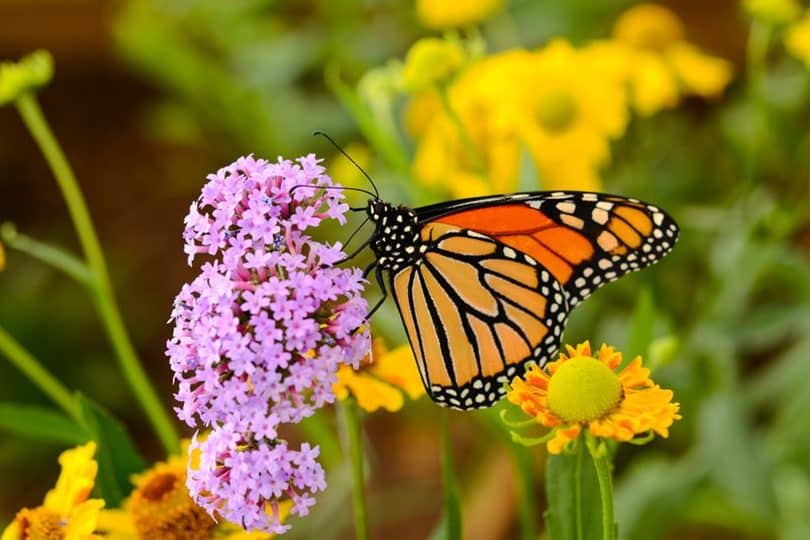
One of the key principles of permaculture gardening is creating a balanced ecosystem where nature's processes can thrive. One way to achieve this is by attracting beneficial insects to your garden. These insects play a crucial role in pollination, pest control, and soil fertility, making them invaluable allies for any permaculturist.
In this blog post, we will explore the different strategies and techniques you can use to attract beneficial insects to your permaculture garden. We will discuss the types of beneficial insects you should focus on attracting, such as ladybugs, lacewings, and hoverflies, and the specific plants and habitats that will help attract them. Additionally, we will provide tips on how to create a welcoming environment for these insects, including avoiding the use of chemical pesticides and providing sources of water and shelter. By implementing these strategies, you can create a thriving ecosystem in your permaculture garden that benefits both your plants and the environment.
Plant native flowers and herbs
Native flowers and herbs are excellent choices for attracting beneficial insects to your permaculture garden. These plants have evolved alongside local insect populations and provide them with the necessary food sources and habitats.
When selecting native flowers and herbs for your garden, consider those that are known to attract beneficial insects such as bees, butterflies, ladybugs, and lacewings. Some popular options include:
- Milkweed
- Lavender
- Goldenrod
- Marigold
- Purple coneflower
- Borage
- Yarrow
- Parsley
- Dill
By planting a diverse range of native flowers and herbs, you can create an attractive and inviting environment for beneficial insects in your permaculture garden.
Provide water sources for insects
One way to attract beneficial insects to your permaculture garden is by providing water sources for them. Just like any other living creature, insects need water to survive and thrive. By creating water sources, you can encourage them to visit your garden and stay around.
Here are a few ways you can provide water sources:
1. Birdbaths or shallow dishes:
Place shallow dishes or birdbaths filled with clean water in your garden. These will not only attract beneficial insects but also birds, which can also play a role in pest control.
2. Ponds or water features:
If you have the space and resources, consider creating a small pond or water feature in your garden. These can provide a habitat for various beneficial insects and can also add beauty to your garden.
3. Drip irrigation or misting systems:
Install drip irrigation or misting systems in your garden. These can provide a source of water for insects while also watering your plants. Make sure to adjust the settings to create a gentle mist or slow drip to avoid overwhelming the insects.
4. Wet sand or mud patches:
Some insects, like butterflies, bees, and wasps, require wet sand or mud for breeding. Create a small area in your garden where you keep the soil consistently moist. This can be achieved by adding water to a designated spot or by using a shallow tray filled with sand or mud.
Remember to clean and refill water sources regularly to prevent the growth of mosquitoes or other unwanted pests. By providing water sources, you can attract a diverse range of beneficial insects to your permaculture garden, promoting ecological balance and enhancing the overall health of your garden ecosystem.
Create diverse habitat structures
One of the most effective ways to attract beneficial insects to your permaculture garden is to create diverse habitat structures. By providing a variety of environments, you can attract a wide range of beneficial insects that will help control pests and promote a healthy ecosystem in your garden.
1. Plant a diverse range of flowering plants
Beneficial insects, such as bees, butterflies, and hoverflies, are attracted to flowers for nectar and pollen. By planting a diverse range of flowering plants, you can provide a food source for these insects throughout the year. Choose plants with different flower shapes, colors, and sizes to attract a variety of beneficial insects.
2. Incorporate native plants
Native plants are adapted to the local climate and provide a familiar habitat for beneficial insects. They often have coevolved with native insects, which makes them more attractive to these beneficial species. Incorporate native plants into your garden to create a natural habitat that will attract a diverse range of beneficial insects.
3. Provide shelter and nesting sites
Beneficial insects need shelter and nesting sites to thrive in your garden. You can create shelter by planting dense shrubs, installing insect hotels, or leaving areas of your garden undisturbed. Provide nesting sites by leaving bare patches of soil, adding bee houses or installing butterfly houses. These structures will attract beneficial insects looking for a safe place to lay their eggs or overwinter.
4. Avoid the use of pesticides
Pesticides, even organic ones, can harm beneficial insects along with the pests. Avoid using pesticides in your permaculture garden and instead focus on creating a balanced ecosystem that relies on the natural predators and beneficial insects to control pests. By avoiding pesticides, you will create a healthier environment that attracts and supports beneficial insects.
 The key principles of permaculture and how to apply them in your garden
5. Practice crop rotation and companion planting
Crop rotation and companion planting can help attract beneficial insects by providing a diverse range of plants and habitats. By rotating your crops and planting compatible plants together, you can create a more resilient garden ecosystem that attracts beneficial insects and reduces pest populations naturally.
In conclusion, creating diverse habitat structures is essential to attract beneficial insects to your permaculture garden. By providing a variety of flowering plants, incorporating native plants, providing shelter and nesting sites, avoiding pesticides, and practicing crop rotation and companion planting, you can create a thriving garden ecosystem that promotes the presence of beneficial insects and reduces the need for chemical pest control.
Avoid using harmful pesticides
Using harmful pesticides can disrupt the natural balance of your permaculture garden and deter beneficial insects from visiting or taking up residence. Instead, opt for organic pest control methods such as companion planting and natural insect repellents.
Companion planting involves growing specific plants together that have a mutually beneficial relationship. For example, planting marigolds near your vegetable garden can help repel harmful insects like aphids, while attracting beneficial insects like ladybugs.
Natural insect repellents, such as neem oil or garlic spray, can also be effective in keeping harmful insects at bay without harming beneficial ones. These repellents can be easily made at home and applied to your garden plants as needed.
Additionally, consider creating habitats for beneficial insects to thrive in your garden. This can be done by providing a variety of plants that offer shelter, food, and water sources. Planting native flowers, herbs, and grasses that attract beneficial insects like bees, hoverflies, and lacewings is a great way to encourage their presence.
Furthermore, avoid using synthetic fertilizers that can harm beneficial insects and disrupt the ecosystem of your garden. Instead, focus on building healthy soil through composting, mulching, and using organic fertilizers.
By following these practices and creating a welcoming environment for beneficial insects, you can attract a diverse range of helpful bugs to your permaculture garden. These insects will help control pests, pollinate plants, and contribute to a thriving and sustainable ecosystem.
Use companion planting techniques
One of the most effective ways to attract beneficial insects to your permaculture garden is by using companion planting techniques. Companion planting is the practice of planting different crops together for their mutual benefit.
By carefully selecting the right combination of plants, you can create a diverse and balanced ecosystem that attracts a wide variety of beneficial insects. These insects play a crucial role in pollination, pest control, and soil health.
Here are a few companion planting techniques to consider:
1. Plant flowers that attract beneficial insects
Include a variety of flowers in your garden that are known to attract beneficial insects. Some popular choices include marigolds, sunflowers, calendula, and lavender. These flowers not only add beauty to your garden but also provide nectar and pollen as food sources for beneficial insects.
2. Interplant flowering herbs with your vegetables
Interspersing flowering herbs such as dill, cilantro, and basil among your vegetables can help attract beneficial insects. These herbs provide additional nectar and pollen sources while also repelling certain pests.
3. Create diverse plant communities
Planting a diverse range of crops in close proximity can help create a more inviting environment for beneficial insects. Different crops attract different types of insects, so by diversifying your plantings, you can increase the chances of attracting a wide variety of beneficial species.
4. Incorporate native plants
Include native plants in your garden as they are well-adapted to the local ecosystem and can attract a range of beneficial insects. Native plants often provide the ideal habitat and food sources for local insect populations.
Remember to avoid using pesticides in your garden as they can harm not only harmful insects but also beneficial ones. By implementing these companion planting techniques, you can create a garden that is not only aesthetically pleasing but also supports a thriving population of beneficial insects.
Practice organic gardening methods
One of the most effective ways to attract beneficial insects to your permaculture garden is by practicing organic gardening methods. By avoiding the use of synthetic pesticides and fertilizers, you create a healthy and diverse ecosystem that is attractive to a wide range of beneficial insects.
 Companion planting: how to maximize plant health and yield in permaculture
1. Provide a variety of flowers. Planting a diverse range of flowering plants in your garden will attract beneficial insects such as bees, butterflies, and hoverflies. These insects are essential for pollination and can help control garden pests.
2. Create habitat diversity. Beneficial insects need a variety of habitats to thrive. Include different types of plants, such as trees, shrubs, and groundcovers, to provide shelter and nesting sites for beneficial insects. You can also consider adding insect hotels or bee houses to provide additional nesting opportunities.
3. Avoid monocultures. Monocultures, or large areas planted with a single crop, are not attractive to beneficial insects. Instead, opt for mixed planting and companion planting to create a more diverse and insect-friendly environment.
4. Use companion plants. Some plants have natural insect-repelling properties or attract beneficial insects. For example, planting marigolds, lavender, or dill near your vegetable garden can help deter pests and attract beneficial insects like ladybugs and lacewings.
5. Provide a water source. Beneficial insects need water for drinking and reproduction. Set up a shallow dish with water or a small birdbath in your garden to provide a water source for these insects.
6. Avoid excessive pruning and tidying. Beneficial insects often rely on plant debris, fallen leaves, and decaying material for shelter and food. Avoid excessive pruning and tidying up your garden to provide these insects with the necessary resources.
7. Avoid chemical pesticides. Chemical pesticides not only kill harmful pests but also harm beneficial insects. Instead, opt for organic pest control methods such as handpicking pests, using insecticidal soaps, or introducing natural predators like ladybugs or praying mantises.
By following these organic gardening methods, you can create a welcoming environment for beneficial insects in your permaculture garden. These insects will not only help control pests but also contribute to the overall health and productivity of your garden.
Install insect hotels or shelters
Installing insect hotels or shelters in your permaculture garden is a great way to attract and provide a habitat for beneficial insects. These structures are designed to mimic natural habitats, providing shelter, nesting sites, and overwintering spaces for insects.
When choosing an insect hotel or shelter, consider the needs of the target insects you want to attract. Different insects have different requirements, such as the size of holes or crevices they prefer. Some common beneficial insects that can be attracted to these structures include ladybugs, lacewings, solitary bees, and predatory wasps.
Here are some tips to keep in mind when installing insect hotels or shelters:
- Place the structures in a sunny location, preferably facing south or southeast, to provide warmth and light.
- Make sure the structures are protected from strong winds and heavy rain.
- Provide a variety of materials for the insects to use as nesting sites, such as bamboo, hollow stems, pine cones, or wooden blocks with drilled holes.
- Avoid using pesticides or insecticides near the insect hotels or shelters, as these can harm the beneficial insects you are trying to attract.
Regular maintenance is also important to ensure the effectiveness of the insect hotels or shelters. Clean out the structures annually to remove any debris or pests that may have taken up residence. This will create space for new insects to use the structures.
By installing insect hotels or shelters in your permaculture garden, you can create a welcoming environment for beneficial insects. These insects will help control pests, pollinate flowers, and contribute to the overall health and biodiversity of your garden.
Frequently Asked Questions
1. What are beneficial insects?
Beneficial insects are insects that provide services to plants, such as pollination or pest control.
2. How can I attract beneficial insects to my garden?
Planting a diverse range of flowers and herbs, providing water sources, and avoiding the use of pesticides can help attract beneficial insects.
3. Which plants are attractive to beneficial insects?
Plants such as dill, fennel, marigold, and lavender are known to attract beneficial insects.
4. How can I create a habitat for beneficial insects?
Adding structures like insect hotels, providing sheltered areas, and leaving some areas of the garden wild can create a habitat for beneficial insects.
 Permaculture Techniques for Natural Pest and Weed Control
Deja una respuesta
Entradas relacionadas: