
Permaculture Techniques to Improve Soil Health

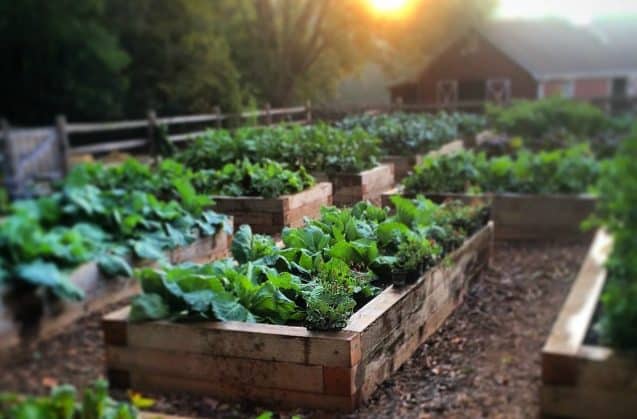
Soil health is a crucial aspect of sustainable agriculture and gardening. Healthy soil provides a rich environment for plants to grow, improves water infiltration and retention, and enhances nutrient availability. In recent years, permaculture techniques have gained popularity as a holistic approach to improving soil health and overall ecosystem sustainability.
In this blog post, we will explore some key permaculture techniques that can be used to improve soil health. We will discuss the importance of building organic matter through practices such as composting and cover cropping. Additionally, we will delve into the benefits of using natural fertilizers and amendments, as well as the implementation of agroforestry systems. By incorporating these techniques into your gardening or farming practices, you can create a thriving ecosystem that promotes soil health and resilience.
Compost your kitchen scraps daily
Composting your kitchen scraps daily is a great permaculture technique to improve soil health. By turning your organic waste into nutrient-rich compost, you can enrich your soil and provide essential nutrients for your plants.
Here are some tips to help you compost your kitchen scraps effectively:
- Set up a compost bin or pile in your backyard to hold your kitchen scraps.
- Collect fruit and vegetable scraps, coffee grounds, tea bags, and eggshells from your kitchen daily.
- Avoid adding meat, dairy, and oily foods to your compost pile as they can attract pests and take longer to break down.
- Chop your kitchen scraps into smaller pieces to speed up the decomposition process.
- Layer your kitchen scraps with dry materials like leaves, straw, or shredded newspaper to create a balanced carbon-to-nitrogen ratio.
- Turn your compost pile regularly to aerate it and promote decomposition.
- Keep your compost pile moist but not overly wet. If it's too dry, add water; if it's too wet, add more dry materials.
- After a few months, your kitchen scraps will transform into dark, crumbly compost that can be added to your garden beds or used as a top dressing for potted plants.
Composting your kitchen scraps not only helps improve soil health but also reduces food waste and benefits the environment. Start composting today and watch your soil thrive!
Use cover crops for soil protection
Using cover crops is an effective technique to protect and improve soil health. Cover crops are plants that are grown specifically to cover the soil surface, providing numerous benefits.
Firstly, cover crops help to prevent soil erosion by reducing the impact of wind and water. Their dense root systems hold the soil in place, preventing it from being washed or blown away. This is especially important in areas with steep slopes or heavy rainfall.
Secondly, cover crops can suppress weed growth. By shading the soil surface, they inhibit the germination and growth of weeds, reducing competition for nutrients and water. This can significantly reduce the need for herbicides and manual weeding.
Additionally, cover crops contribute to soil fertility. Certain cover crops, such as legumes, have the ability to fix nitrogen from the atmosphere and make it available to other plants. This helps to enrich the soil with this essential nutrient, reducing the need for synthetic fertilizers.
Furthermore, cover crops improve soil structure. Their root systems penetrate deep into the soil, creating channels for water infiltration and improving drainage. This enhances soil aeration and prevents compaction, allowing plant roots to access nutrients and water more easily.
Lastly, cover crops can attract beneficial insects and pollinators, creating a more balanced ecosystem in the garden or farm. They provide habitats and food sources for these organisms, which contribute to natural pest control and the pollination of flowering plants.
In conclusion, incorporating cover crops into your permaculture practices is a valuable technique for protecting and improving soil health. Their ability to prevent erosion, suppress weeds, enhance fertility, improve structure, and support beneficial insects make them a valuable asset in sustainable agriculture.
Implement crop rotation practices
Crop rotation is a fundamental technique in permaculture that can significantly improve soil health and fertility. By rotating the crops grown in a particular area over several seasons, you can optimize nutrient availability, control pests and diseases, and reduce soil erosion.
When implementing crop rotation practices, it's important to consider the specific needs and characteristics of different plant families. Here are some key points to keep in mind:
 What is soil health and why is it important for a sustainable world?
1. Group crops into families
Start by categorizing your crops into different families, such as nightshades (tomatoes, peppers, potatoes), brassicas (cabbage, broccoli, kale), legumes (beans, peas, lentils), and so on. This will help you determine the best rotation plan.
2. Plan a rotation schedule
Once you have grouped your crops, create a rotation schedule that ensures each family is planted in a different area of your garden or plot each year. Aim for a minimum of three to four years between planting the same family in the same location.
3. Incorporate cover crops
Integrating cover crops into your rotation plan can provide additional benefits. Cover crops, such as clover or winter rye, help prevent soil erosion, add organic matter to the soil, and fix nitrogen levels.
4. Include green manure crops
Green manure crops like legumes and grasses can be planted specifically to improve soil fertility. These crops are typically grown and then tilled into the soil to release nutrients and organic matter.
5. Consider companion planting
Companion planting involves planting certain crops together to promote beneficial relationships. For example, planting beans alongside corn can help provide the corn with nitrogen while the beans benefit from the cornstalks for support.
Incorporating crop rotation practices into your permaculture system will not only improve soil health but also result in healthier, more productive plants. By diversifying the crops grown in your garden and following a well-planned rotation schedule, you can create a sustainable and thriving ecosystem.
Mulch to retain soil moisture
Mulching is an essential technique in permaculture to improve soil health and retain soil moisture. By placing a layer of organic material on the soil surface, mulch helps to create a protective barrier that prevents evaporation and reduces water loss.
There are various types of mulch materials you can use, such as straw, wood chips, leaves, or compost. These organic materials not only help to conserve moisture but also provide nutrients to the soil as they break down over time.
When applying mulch, make sure to spread it evenly around the base of your plants, leaving a small space around the stem or trunk to prevent rotting. Aim for a thickness of about 2-4 inches to effectively retain moisture and suppress weed growth.
Benefits of mulching:
- Conserves moisture: Mulch acts as a protective layer, reducing water evaporation and helping the soil retain moisture for longer periods. This is particularly beneficial in dry or arid climates.
- Improves soil structure: As the mulch breaks down, it adds organic matter to the soil, enhancing its structure and fertility. This promotes healthy root growth and improves overall soil health.
- Suppresses weeds: Mulch forms a physical barrier that prevents weed seeds from germinating and competing with your plants for nutrients and water.
- Regulates soil temperature: Mulch helps to moderate soil temperature, keeping it cooler during hot summer months and warmer during colder seasons. This creates a more stable and favorable environment for plant growth.
- Prevents erosion: By covering the soil surface, mulch helps to protect against erosion caused by wind or heavy rainfall. It keeps the soil in place and minimizes the risk of nutrient runoff.
So, if you want to improve soil health and maximize the productivity of your garden or permaculture system, don't forget to implement mulching as one of your key techniques. It's a simple and effective way to retain moisture, enhance soil fertility, and promote overall plant growth.
Incorporate green manure into soil
One effective permaculture technique to improve soil health is by incorporating green manure into the soil. Green manure refers to the practice of growing specific plants and then tilling them into the soil to add organic matter and nutrients.
To incorporate green manure into the soil, follow these steps:
- Select a suitable green manure crop: Choose a plant species that is known for its ability to fix nitrogen, enhance soil structure, and suppress weeds. Common green manure crops include legumes like clover, vetch, and beans.
- Sow the green manure crop: Prepare the soil by loosening it and removing any weeds. Sow the green manure seeds evenly across the area, following the recommended spacing and depth guidelines for the specific crop.
- Allow the green manure crop to grow: Monitor the growth of the green manure crop and provide any necessary care, such as watering and protection from pests. Let the plants grow for the recommended period, usually several months.
- Till the green manure crop into the soil: Once the green manure crop has reached its desired growth stage, till it into the soil. Use a garden fork or a tiller to mix the plant material thoroughly. This process will help break down the organic matter and incorporate it into the soil.
- Allow the soil to rest: After tilling in the green manure crop, allow the soil to rest for a few weeks. This will give the organic matter time to decompose and release nutrients into the soil.
Incorporating green manure into the soil is a natural and sustainable way to improve soil health. It helps increase organic matter content, enhances nutrient availability, improves soil structure, and promotes beneficial microbial activity. By regularly practicing this permaculture technique, you can cultivate healthy, fertile soil for your plants.
Avoid over-tilling the soil
Over-tilling the soil can be detrimental to its health. Excessive tilling disrupts the natural structure of the soil, leading to erosion and loss of nutrients. To avoid this, consider implementing the following permaculture techniques:
 The basic principles of permaculture and how they contribute to soil health
- Sheet mulching: This technique involves layering organic materials, such as cardboard, newspaper, and compost, on top of the soil. This helps to suppress weeds, retain moisture, and improve soil health without disturbing its structure.
- No-dig gardening: Instead of tilling, create raised beds or use containers to plant your crops. By minimizing soil disturbance, you preserve the soil's natural structure and minimize nutrient loss.
- Cover cropping: Planting cover crops, such as legumes or grasses, during fallow periods helps to protect the soil from erosion, suppress weeds, and increase organic matter content.
- Composting: Instead of relying on chemical fertilizers, use compost to nourish your soil. Compost improves soil structure, adds beneficial microorganisms, and increases nutrient availability.
- Crop rotation: Rotating crops annually helps to prevent the buildup of pests, diseases, and nutrient depletion in the soil. It also promotes a more diverse and balanced ecosystem in your garden.
By avoiding over-tilling the soil and implementing these permaculture techniques, you can improve soil health, enhance its fertility, and create a sustainable and resilient garden ecosystem.
Encourage beneficial soil organisms
One of the key permaculture techniques to improve soil health is by encouraging beneficial soil organisms. These organisms play a crucial role in maintaining a healthy soil ecosystem, promoting nutrient cycling, improving soil structure, and suppressing pests and diseases.
To encourage beneficial soil organisms, you can:
1. Add organic matter:
Adding organic matter such as compost, leaf litter, or cover crops to the soil provides a food source for soil organisms. This helps to increase their population and diversity.
2. Avoid chemical inputs:
Chemical fertilizers, pesticides, and herbicides can harm beneficial soil organisms. Instead, opt for organic and natural alternatives that promote a balanced soil ecosystem.
3. Practice crop rotation:
Rotating crops helps prevent the buildup of pests and diseases that can negatively impact soil health. It also encourages different soil organisms to thrive and contribute to the overall soil ecosystem.
4. Use mulch:
Applying mulch to the soil surface helps retain moisture, regulate temperature, and provide habitat for beneficial soil organisms. Organic mulches like straw, wood chips, or compost can also break down over time, enriching the soil with nutrients.
5. Practice no-till or reduced tillage:
Tilling the soil disrupts the natural habitat of soil organisms, leading to a decrease in their population. Implementing no-till or reduced tillage techniques minimizes soil disturbance and preserves the habitat of beneficial soil organisms.
6. Incorporate cover crops:
Planting cover crops during fallow periods or as green manure can improve soil health by increasing organic matter, fixing nitrogen, and providing habitat for beneficial organisms.
By implementing these permaculture techniques, you can create a thriving soil ecosystem that supports the growth of healthy plants and contributes to sustainable agriculture.
Frequently Asked Questions
1. What is permaculture?
Permaculture is a design system that aims to create sustainable and self-sufficient ecosystems.
2. How can permaculture techniques improve soil health?
Permaculture techniques such as composting and cover cropping help increase soil fertility and structure.
3. What is composting?
Composting is the process of decomposing organic matter to create nutrient-rich soil amendment.
4. What are cover crops?
Cover crops are plants grown to protect and improve the soil, preventing erosion and adding organic matter.
 Exploring natural methods to control pests and diseases in the garden
Deja una respuesta
Entradas relacionadas: