
What are some challenges and solutions in implementing permaculture?

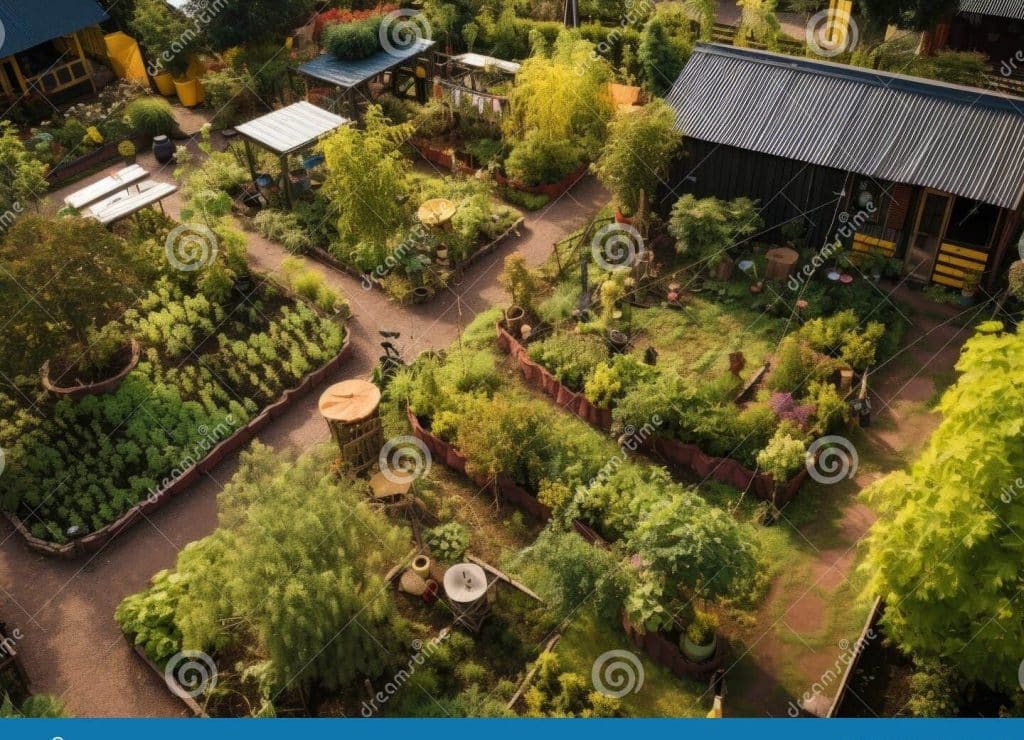
Permaculture is a holistic approach to designing sustainable and regenerative systems that mimic natural ecosystems. It involves principles such as observing and interacting with nature, using renewable resources, and integrating diverse elements to create a self-sufficient and resilient environment. While permaculture offers numerous benefits, its implementation can also pose challenges. In this blog post, we will explore some of the common challenges faced in implementing permaculture and discuss potential solutions.
Inadequate knowledge and awareness: One of the main challenges in implementing permaculture is the lack of knowledge and awareness about its principles and practices. Many people are unfamiliar with the concept and may not understand the potential benefits it offers. To overcome this challenge, it is important to educate and raise awareness among individuals and communities about permaculture. This can be done through workshops, training programs, and educational resources that explain the principles and demonstrate the practical applications of permaculture.
- Lack of knowledge and education
- Limited access to resources
- Resistance from conventional agriculture
- Scaling up permaculture practices
- Scaling up permaculture practices
- Integrating permaculture in urban areas
- Building supportive community networks
- Adapting to local climate conditions
- Frequently Asked Questions
Lack of knowledge and education
A major challenge in implementing permaculture is the lack of knowledge and education among people. Many individuals are unaware of what permaculture is and how it can benefit them and the environment. This lack of understanding can hinder the widespread adoption of permaculture practices.
One solution to address this challenge is to promote education and awareness about permaculture. This can be done through workshops, training programs, and educational campaigns. By providing people with the knowledge and skills to implement permaculture principles, we can overcome the lack of awareness and create a more sustainable future.
Resistance to change
Another challenge in implementing permaculture is the resistance to change. People are often comfortable with traditional farming and gardening practices, and may be hesitant to adopt new methods.
To overcome this challenge, it is important to showcase the benefits and success stories of permaculture. By highlighting the positive impact that permaculture can have on the environment, food security, and community resilience, we can inspire others to embrace this regenerative approach.
Limited access to resources
Limited access to resources, such as land, water, and finances, can also pose a challenge in implementing permaculture. Many individuals may not have access to suitable land or enough financial resources to start a permaculture project.
One solution to this challenge is to promote community-based initiatives and sharing resources. By collaborating with others and pooling resources, individuals can overcome the limitations and create shared permaculture spaces. Additionally, exploring alternative land-use options, such as rooftop gardens or community gardens, can help overcome the challenge of limited access to land.
Scaling up and replication
Scaling up and replicating successful permaculture projects can be a challenge. Each site and community has its own unique characteristics and requirements, making it difficult to replicate the exact same permaculture design and practices.
To address this challenge, it is important to focus on principles rather than specific designs. By understanding the underlying principles of permaculture, individuals can adapt and tailor the practices to suit their specific context. Sharing case studies, best practices, and lessons learned can also facilitate the replication of successful permaculture projects.
In conclusion, implementing permaculture faces challenges such as lack of knowledge and education, resistance to change, limited access to resources, and the need for scaling up and replication. However, by promoting education, showcasing the benefits, fostering community collaboration, and focusing on principles, we can overcome these challenges and create a more sustainable and regenerative future through permaculture.
Limited access to resources
One of the main challenges in implementing permaculture is limited access to resources. This can include limited access to land, water, and materials needed to create and sustain a permaculture system.
However, there are several solutions that can help overcome this challenge:
1. Community collaboration
By collaborating with other individuals or communities, resources can be shared and utilized more efficiently. This can include sharing land, tools, and knowledge to create a shared permaculture system.
2. Resource conservation
Implementing efficient resource management techniques such as rainwater harvesting, composting, and using renewable energy sources can help reduce the overall resource consumption and make the most out of limited resources.
3. Creative use of space
When access to land is limited, permaculture practitioners can utilize creative techniques such as vertical gardening, container gardening, and rooftop gardens to maximize the use of available space and grow a variety of crops.
4. Education and awareness
By educating and raising awareness about permaculture, individuals and communities can understand the value and benefits of implementing permaculture practices. This can lead to increased support and access to resources from governments, organizations, and local communities.
 Tips for incorporating permaculture into educational curricula
5. Local sourcing
Choosing locally sourced materials and plants can help reduce the environmental impact of transporting resources long distances. Additionally, supporting local businesses and farmers helps create a more sustainable and resilient local economy.
Overall, while limited access to resources can pose challenges in implementing permaculture, there are various solutions and strategies that can be employed to overcome these challenges and create a thriving permaculture system.
Resistance from conventional agriculture
Resistance from conventional agriculture is one of the major challenges that permaculture faces in its implementation. The mainstream agricultural industry often views permaculture as a threat to their conventional practices and may resist its adoption.
One of the main reasons for this resistance is that permaculture promotes a shift away from chemical-intensive farming methods towards more sustainable and regenerative practices. This can be seen as a direct challenge to the use of synthetic fertilizers, pesticides, and genetically modified organisms (GMOs) that are commonly used in conventional agriculture.
Additionally, the implementation of permaculture requires a change in mindset and a willingness to embrace holistic and ecological principles. This can be a barrier for farmers who are used to conventional practices and may be hesitant to adopt new methods.
Potential solutions:
- Educating farmers: Providing information and resources about the benefits and potential economic advantages of permaculture can help to overcome resistance. By highlighting successful case studies and showcasing the long-term benefits of regenerative farming, farmers can be more open to adopting permaculture practices.
- Support and financial incentives: Governments, organizations, and communities can provide support and financial incentives to farmers who are interested in transitioning to permaculture. This can include grants, subsidies, and technical assistance to help with the initial costs and challenges of implementing permaculture systems.
- Collaboration and networking: Encouraging collaboration and networking among farmers who are already practicing permaculture can help to build a supportive community. This can provide a platform for knowledge sharing, mentoring, and problem-solving, which can ultimately make the implementation of permaculture more accessible and appealing to others.
- Public awareness and consumer demand: Creating public awareness about the environmental and health benefits of permaculture can generate consumer demand for sustainably produced food. This can ultimately create market opportunities for farmers who are practicing permaculture, making it a more viable option for them.
In conclusion, while resistance from conventional agriculture poses a challenge in implementing permaculture, there are potential solutions that can help overcome these barriers. By providing education, support, and creating awareness, we can pave the way for a more sustainable and regenerative agricultural system.
Scaling up permaculture practices
Scaling up permaculture practices
Implementing permaculture on a larger scale can present several challenges. However, with careful planning and the right solutions, it is possible to overcome these obstacles and create a sustainable and thriving ecosystem.
1. Land availability and size
One of the main challenges in scaling up permaculture practices is finding enough land to accommodate larger projects. Permaculture requires ample space for various elements such as food forests, water management systems, and animal habitats. Finding suitable land that meets these requirements can be a hurdle. Solutions to this challenge include networking with local landowners, partnering with community gardens, or exploring land-sharing agreements.
2. Resource management
As permaculture projects grow in size, managing resources effectively becomes crucial. This includes water, soil fertility, organic matter, and energy usage. Implementing efficient irrigation systems, composting techniques, and renewable energy solutions are essential for sustainable resource management. Utilizing rainwater harvesting, greywater recycling, and renewable energy sources such as solar panels can help address this challenge.
3. Knowledge and expertise
Scaling up permaculture practices often requires a broader range of knowledge and expertise. It may be necessary to bring in specialists in areas such as landscape design, water management, and permaculture principles. Building a diverse team with expertise in different aspects of permaculture can help overcome this challenge. Additionally, providing educational resources and training opportunities for community members can help spread knowledge and build a skilled workforce.
4. Community engagement and collaboration
Engaging the local community and fostering collaboration is essential for successful implementation of permaculture on a larger scale. Building relationships with community members, local organizations, and government agencies can help garner support and resources. Creating community gardens, organizing workshops, and hosting events are effective ways to engage and involve the community in the process. Collaboration with other permaculture projects and organizations can also result in shared resources and knowledge.
5. Financial considerations
Implementing permaculture practices on a larger scale often requires significant financial investment. Acquiring land, purchasing equipment, and hiring experts can be costly. However, there are various funding options available, such as grants, crowdfunding, and partnerships with sustainable organizations. Developing a comprehensive business plan and exploring different avenues for funding can help overcome this challenge.
In conclusion, scaling up permaculture practices comes with its share of challenges. However, with careful planning, resource management, community engagement, and financial considerations, these challenges can be effectively addressed. By implementing sustainable solutions and fostering collaboration, we can create a positive impact on our environment and create a more sustainable future.
Integrating permaculture in urban areas
Implementing permaculture in urban areas poses several challenges and requires innovative solutions. Here are some key challenges and their corresponding solutions:
1. Limited Space:
Urban areas typically have limited space, making it challenging to implement permaculture practices that require large areas for cultivation. However, there are solutions to overcome this challenge:
- Vertical Gardening: Utilizing vertical space by growing plants on walls or using vertical planters can maximize the use of limited space.
- Container Gardening: Growing plants in containers such as pots, raised beds, or hanging baskets allows for gardening in small spaces like balconies or rooftops.
- Community Gardens: Encouraging the establishment of community gardens provides a shared space for urban dwellers to engage in permaculture practices collectively.
2. Soil Quality:
In urban areas, soil quality is often poor due to pollution, compacted soil, or lack of organic matter. Overcoming this challenge requires the following solutions:
- Soil Remediation: Implementing techniques such as phytoremediation or adding organic matter can help improve soil quality over time.
- Container Gardening: Opting for container gardening allows for the use of high-quality soil and minimizes the impact of poor soil quality.
- Composting: Creating compost from kitchen scraps and organic waste not only reduces waste but also provides nutrient-rich soil for gardening.
3. Limited Water Resources:
Water scarcity is a common challenge in urban areas. However, there are ways to address this challenge in permaculture implementation:
- Rainwater Harvesting: Collecting rainwater in barrels or tanks allows for the efficient use of water for irrigation purposes.
- Drip Irrigation: Implementing drip irrigation systems reduces water wastage by delivering water directly to plant roots.
- Greywater Recycling: Treating and reusing greywater from household activities like washing dishes or laundry can help conserve water resources.
4. Community Engagement:
Engaging the community and raising awareness about permaculture is crucial for successful implementation in urban areas. Consider the following solutions:
 How can permaculture contribute to building a sustainable future?
- Workshops and Education: Organizing workshops and educational programs to teach urban dwellers about permaculture principles and techniques.
- Community Events: Hosting community events such as plant swaps or gardening competitions can foster a sense of community and encourage participation in permaculture practices.
- Collaboration with Local Organizations: Partnering with local organizations or community groups can strengthen community engagement and support in implementing permaculture initiatives.
By addressing these challenges and implementing the suggested solutions, it is possible to integrate permaculture successfully in urban areas, promoting sustainable food production, environmental conservation, and community engagement.
Building supportive community networks
Building supportive community networks is one of the key challenges in implementing permaculture. While permaculture focuses on creating sustainable and regenerative systems, it also emphasizes the importance of collaboration and community involvement. Here are some solutions to address this challenge:
1. Education and Awareness
One solution is to educate and raise awareness about permaculture within the community. This can be done through workshops, seminars, and public events. By providing information about the benefits and principles of permaculture, more people can become interested and motivated to participate.
2. Networking and Collaboration
Another solution is to encourage networking and collaboration among individuals and organizations involved in permaculture. This can be achieved through the establishment of local permaculture groups or networks where members can share knowledge, resources, and experiences. By fostering connections and collaboration, the community can work together towards common goals and overcome challenges collectively.
3. Demonstrations and Practical Examples
Providing practical examples and demonstrations of successful permaculture projects can also help build supportive community networks. By showcasing real-life examples of how permaculture can be implemented and the positive impact it can have on the environment and community, more people may be inspired to get involved and contribute.
4. Community Engagement
Engaging the community in the design and implementation of permaculture projects is crucial. This can be done through participatory planning processes, where community members have the opportunity to voice their ideas, concerns, and aspirations. By involving the community from the beginning, it creates a sense of ownership and empowerment, increasing the likelihood of long-term success.
5. Policy and Institutional Support
Advocating for policies and institutional support that promote and facilitate permaculture initiatives is another important solution. This can include lobbying for favorable regulations, incentives, and funding opportunities. By creating an enabling environment at the policy level, it becomes easier for individuals and communities to implement permaculture practices.
Overall, building supportive community networks is essential for the successful implementation of permaculture. By educating, networking, demonstrating, engaging, and advocating, we can overcome the challenges and create sustainable and regenerative systems that benefit both the environment and the community.
Adapting to local climate conditions
Implementing permaculture practices can present several challenges, and one of the key challenges is adapting to local climate conditions. Every region has its unique weather patterns, temperature ranges, and rainfall amounts, which can significantly impact the success of permaculture systems.
Understanding the local climate: Before implementing any permaculture design, it is crucial to thoroughly research and understand the local climate conditions. This includes studying the average temperatures, seasonal variations, rainfall patterns, wind patterns, and any extreme weather events that may occur.
Choosing appropriate plant species: Once the local climate is understood, the next step is selecting plant species that are well-suited to the specific conditions. Some plants thrive in hot and arid climates, while others prefer cooler and more humid environments. It is essential to choose plants that can withstand the temperature fluctuations and water availability in the region.
Implementing appropriate water management techniques: Water is a vital resource in permaculture, and managing it efficiently is crucial. Depending on the local climate, water scarcity or excess rainfall can be a challenge. Implementing techniques such as rainwater harvesting, drip irrigation, and contouring can help address these challenges and ensure water is used effectively.
Creating microclimates: In regions with extreme climates, creating microclimates can be an effective solution. This involves strategically placing trees, shrubs, and structures to provide shade, windbreaks, and shelter. By manipulating the local environment, it is possible to create more favorable conditions for the desired plants.
Building soil fertility: Local climate conditions can impact soil fertility, with some regions having nutrient-poor soils or high levels of erosion. Implementing techniques such as composting, mulching, and cover cropping can help improve soil health and fertility, making it more resilient to the local climate.
In conclusion, adapting to local climate conditions is a significant challenge in implementing permaculture. By understanding the climate, choosing appropriate plant species, managing water efficiently, creating microclimates, and building soil fertility, it is possible to overcome these challenges and create sustainable permaculture systems.
Frequently Asked Questions
What is permaculture?
Permaculture is a design system that focuses on creating sustainable and self-sufficient ecosystems.
What are the main challenges in implementing permaculture?
Some challenges in implementing permaculture include lack of knowledge, limited resources, and resistance to change.
How can knowledge be a solution in implementing permaculture?
By educating individuals about permaculture principles and techniques, they can better understand and implement sustainable practices.
 The Importance of Preserving Native Animal Habitats
What are some solutions to limited resources in permaculture implementation?
Solutions to limited resources can include using recycled materials, implementing efficient water management systems, and fostering community collaborations.
Deja una respuesta
Entradas relacionadas: